
Beautiful Plants For Your Interior
Beautiful Plants For Your Interior
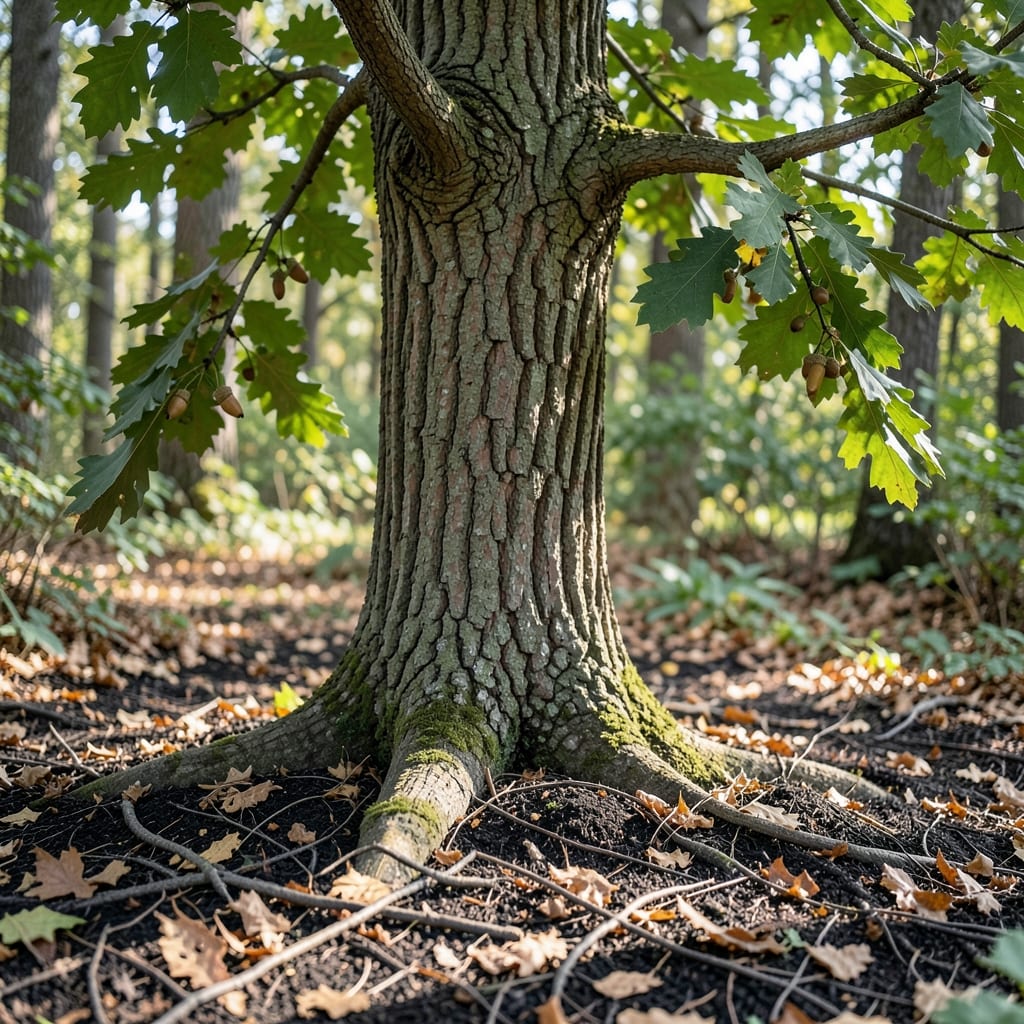
Yes, leaves gradually break down into nutrient-rich soil through decomposition, a natural process where microorganisms, fungi, and insects transform organic matter into humus.
This transformation happens as tiny organisms feed on the leaves, breaking them into simpler compounds. 🔥 I’ve seen this process create rich, dark soil in my own garden, which boosts plant growth. The key players include bacteria, earthworms, and fungi, each contributing to the breakdown in their own way. It’s nature’s recycling system at work.
💡 In This Article
The magic starts with bacteria and fungi that colonize fallen leaves within hours. These microscopic powerhouses secrete enzymes breaking down complex cellulose and lignin into simpler sugars and compounds. Earthworms then consume this partially decomposed material, further breaking it down in their digestive systems. 🔥
Chemical transformations occur as these organisms release carbon dioxide, water, and nutrients like nitrogen and phosphorus. The process happens in stages: fresh leaves lose 60-70% of their weight in the first 3-6 months as soft tissues decompose. Harder components like veins may take 1-2 years to fully break down. ✨
Temperature and moisture dramatically affect the speed. In ideal conditions (50-70°F with consistent moisture), decomposition completes in 6-12 months. Dry or cold environments can stretch this to several years. The end product, humus, improves soil structure and water retention while providing essential plant nutrients. 💫
What most don’t realize is that leaf litter creates a micro-ecosystem. Millipedes and woodlice shred leaves into smaller pieces, increasing surface area for microbial action. This teamwork between invertebrates and microbes makes the process 10x more efficient than microbial action alone. ⚡
Different leaf types decompose at varying rates. Maple leaves break down in 6-12 months, while tougher oak leaves can take 2-3 years. The resulting humus contains 5-10% nitrogen by weight, making it a natural fertilizer that’s gentler than commercial options. 🌟
Most leaves decompose in 6-12 months under ideal conditions. Tougher varieties like oak may take 2-3 years, while shredded leaves can break down in just 3-4 months.
Bacteria, fungi, earthworms, millipedes, and woodlice all play key roles. Each contributes differently—microbes break down chemicals while invertebrates shred leaves into smaller pieces.
Yes! Shred leaves, keep them moist, and maintain temperatures around 50-70°F. Turning a compost pile every 2-3 weeks adds oxygen to accelerate breakdown.
Softer leaves like maple break down quicker due to lower lignin content. Thicker leaves with more veins, like oak, resist decomposition longer. Thin leaves have more surface area for microbes to attack.