
Beautiful Plants For Your Interior
Beautiful Plants For Your Interior
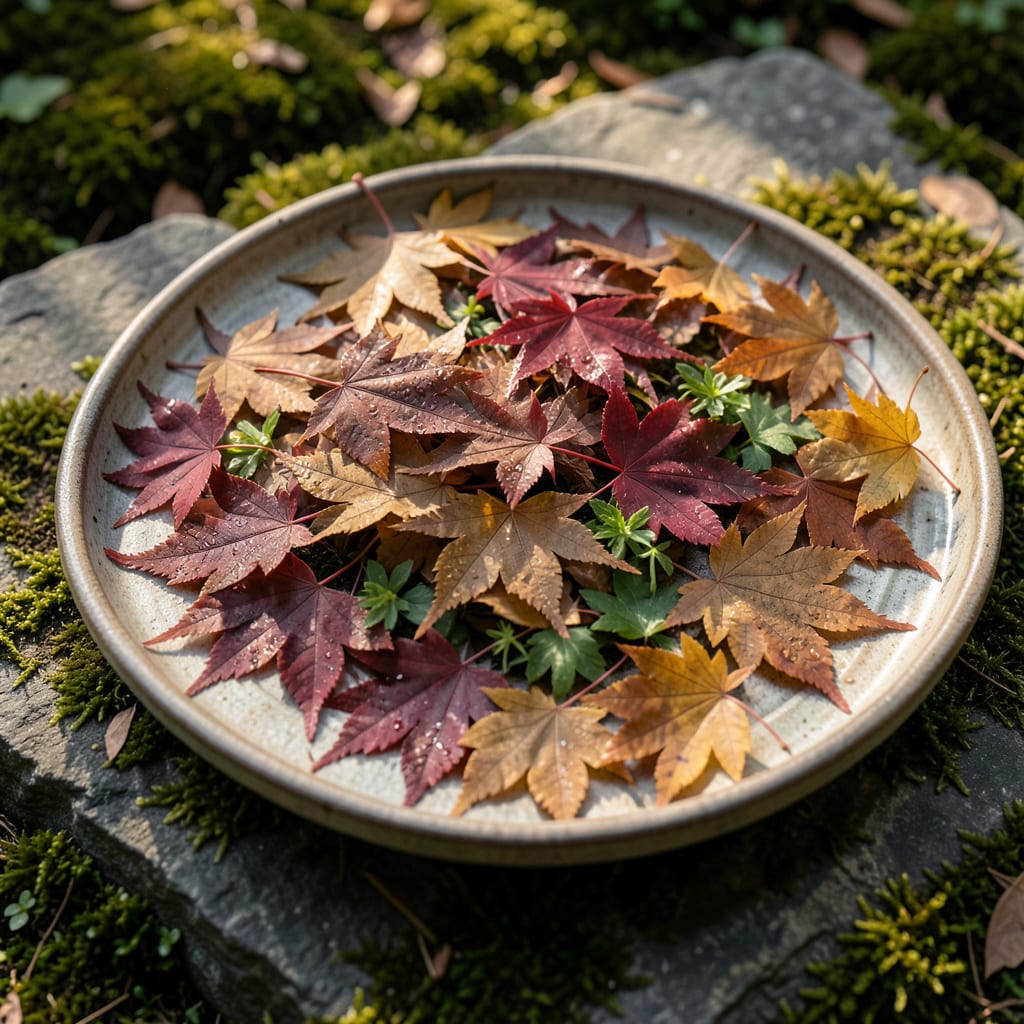
Brown leaves on your Japanese maple aren’t just unsightly—they’re a distress signal. I’ve saved countless maples by catching these symptoms early, before the damage spreads to the whole tree.
Most cases trace back to environmental stress: too much sun, not enough water, or sudden temperature swings. The leaves start crisping at the edges, then turn completely brown. It’s fixable, but you need to act fast.
Organic solutions work best for these delicate trees. Adjusting water, adding mulch, or moving potted specimens can reverse the damage within 2-3 weeks. The key is matching the cure to the cause.
Prevention beats treatment every time. Once you understand the triggers, you’ll keep your maple vibrant through every season.
Japanese maple leaves turning brown can signal several underlying issues, often tied to environmental stress or cultural mismanagement. Below are the most frequent causes, backed by horticultural science.
Excessive heat or direct afternoon sun can cause leaf scorch, where leaf edges brown and crisp due to rapid water loss. Japanese maples, especially lace-leaf varieties, thrive in partial shade. High temperatures (>90°F) disrupt cellular function, leading to necrosis. Ensure afternoon shade and consistent soil moisture to mitigate this.
Both overwatering and underwatering stress the tree. Overwatering suffocates roots, reducing oxygen uptake and promoting root rot, which manifests as browning leaves. Underwatering, meanwhile, causes dehydration and margin burn. Aim for 1–1.5 inches of water weekly, adjusting for rainfall and soil drainage.
Pathogens like Phytophthora or Verticillium can infect roots or vascular systems, disrupting water and nutrient flow. Look for dark brown spots or wilting alongside leaf browning. Improve air circulation, avoid overhead watering, and apply organic fungicides (e.g., copper-based sprays) at first signs.
Poorly draining or compacted soil restricts root health, while nutrient deficiencies (e.g., magnesium or iron) may cause interveinal browning. Test soil pH (ideal: 5.5–6.5); amend with compost or organic fertilizers to correct imbalances.
Sap-sucking pests like aphids or scale insects weaken trees, leading to brown, curled leaves. Inspect undersides of leaves for pests or sticky residue (honeydew). Treat with neem oil or insecticidal soap for organic control.
If your Japanese maple’s leaves are turning brown, don’t panic—most causes are fixable with a few simple adjustments. Below are targeted solutions for the most common issues, along with tips to prevent future problems.
Too much direct sunlight or high temperatures can scorch the delicate foliage. Move potted maples to a shadier spot, especially during peak afternoon hours. For in-ground trees, erect a shade cloth to filter harsh light. Water deeply in the early morning to help the tree cool down.
Prevention tip: 💡 Plant Japanese maples in locations with dappled sunlight or eastern exposure to avoid intense heat.
Brown leaves often signal watering issues. Check soil moisture by sticking your finger 2 inches deep—if it’s bone-dry, water thoroughly. If it’s soggy, improve drainage by amending the soil with compost or moving the plant to a better-draining spot. Use a moisture meter for precision.
Prevention tip: 💡 Water consistently, aiming for 1–1.5 inches per week, and mulch around the base to retain moisture without waterlogging.
Fungi like Phyllosticta or Anthracnose cause brown spots or patches. Remove infected leaves immediately and dispose of them (don’t compost). Apply a copper-based fungicide or neem oil spray, following label instructions. Prune to improve airflow, as humidity fuels fungal growth.
Prevention tip: ✨ Space plants properly and avoid overhead watering to keep foliage dry.
Japanese maples thrive in slightly acidic soil (pH 5.5–6.5). Test your soil—if it’s too alkaline, amend with sulfur or peat moss. Yellowing with brown edges may indicate a magnesium or potassium deficiency; use a balanced, slow-release fertilizer formulated for acid-loving plants.
Prevention tip: 🎯 Test soil annually and fertilize in early spring before new growth starts.
Aphids, mites, or scale insects can stress the tree, leading to browning. Blast pests off with a strong stream of water or apply insecticidal soap. For severe infestations, use horticultural oil in the dormant season.
Prevention tip: 🔍 Inspect leaves regularly, especially the undersides, and encourage beneficial insects like ladybugs.
No, once leaves turn brown, the damage is permanent. However, the tree can regrow healthy leaves if the underlying issue is addressed. Focus on correcting care conditions to support new growth.
Water deeply 2-3 times per week during dry spells, ensuring the soil stays moist but not soggy. Use the finger test: if the top 2 inches of soil are dry, it’s time to water.
Choose a spot with morning sun and afternoon shade. Avoid hot, windy areas. Eastern or northern exposures work best to protect delicate leaves from scorching.
Yes, neem oil is an effective organic treatment for pests and fungi. Apply in the evening and avoid using during extreme heat. Always follow label instructions for dilution rates.
