
Beautiful Plants For Your Interior
Beautiful Plants For Your Interior
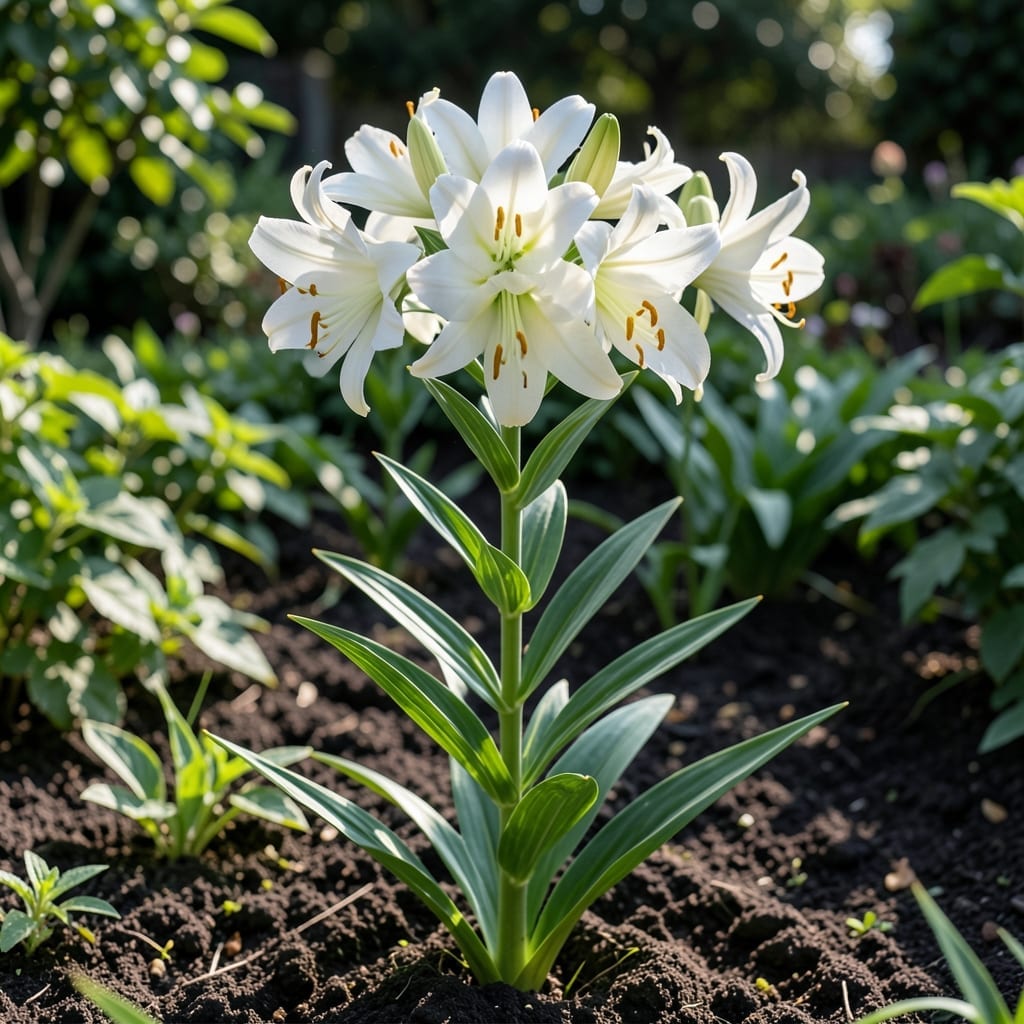
Easter lilies bring vibrant color and fragrance to any garden, but their blooming success hinges on one critical factor: proper sunlight. Many gardeners struggle with wilting or non-blooming 🌷 Easter Lily plants simply because they’ve misjudged the light needs.
Getting the light conditions right can mean the difference between a lackluster plant and a stunning display. I’ve seen firsthand how the right amount of sun transforms these elegant perennials.
Whether you’re planting in Zone 4-8 or just starting your gardening journey, understanding their sunlight preferences is key. Let me show you how to create the ideal environment.
We’ll explore the most important signs of too much or too little light and how to adjust for optimal growth. Your Easter lilies will thank you with vibrant blooms.

If you’ve ever wondered do Easter lilies need sun, the answer is a resounding yes—but with nuance. These elegant perennials thrive in full sun to partial shade, meaning they need at least 4-6 hours of direct sunlight daily for optimal blooming.
In my experience, morning sunlight is ideal because it’s gentler on the delicate petals while still providing the energy needed for vibrant flowers. Too much harsh afternoon sun can scorch the leaves, especially in warmer climates.
| Requirement | Specification |
|---|---|
| Ideal Sunlight | Full sun to partial shade |
| Daily Light Hours | 4-6 hours direct sun |
| Best Time for Sun | Morning to early afternoon |
| Climate Adjustment | Afternoon shade in hot zones |
| Indoor Light Needs | Bright indirect light near a south-facing window |
I’ve found that Easter lilies in USDA zones 4-8 do best with morning sun and afternoon shade, especially during the hottest months. This balance prevents leaf scorch while ensuring the bulbs store enough energy for next year’s blooms.
For gardeners in cooler climates, full sun is often ideal because the lower temperatures reduce the risk of heat stress. However, if you’re in a hotter region, dappled shade during the peak afternoon hours can be a lifesaver for your lilies.
If you’re growing Easter lilies indoors, place them near a south-facing window where they can receive bright, indirect light for most of the day. A west-facing window works too, but you may need to rotate the pot occasionally to ensure even growth.
Remember, consistent light is key. If your lilies aren’t blooming, it might be because they’re not getting enough quality sunlight. Try moving them to a sunnier spot and monitor their progress over a few weeks.
One pro tip I swear by: observe your garden’s sun patterns before planting. Use a sunlight calculator app or simply track how the light moves across your yard. This small step can make a big difference in your Easter lily success. ☀️
Container-grown lilies offer flexibility—you can move them to follow the sun or provide shade as needed. Just ensure the containers have drainage holes to prevent root rot, which is a common issue with overwatering.
Finally, don’t forget that soil quality and watering habits also play a role in how well your lilies utilize sunlight. Well-draining soil and consistent moisture help the roots absorb nutrients efficiently, supporting healthy growth under the sun’s rays. 🌱
Even with the best intentions, Easter lilies can struggle if they’re not getting the right amount of light. I’ve noticed that yellowing leaves and weak stems are often the first signs your plant isn’t thriving in its current spot.
Poor flowering is another red flag. If your lilies are producing fewer blooms or the flowers seem smaller than usual, they might be begging for more sunlight exposure. These plants are sun-worshippers at heart.
⚠️ Warning: Leggy growth with long, sparse stems is a classic sign of light deficiency. The plant stretches toward any available light, resulting in weak, floppy stems that can’t support the heavy blooms.
Another telltale sign is leaf drop. If your Easter lily is shedding leaves prematurely, it could be due to insufficient light, especially if the leaves appear pale or chlorotic (lacking green color).
I recommend checking your plant’s location if you notice these symptoms. Try moving it to a spot with morning sun and afternoon shade first. If that doesn’t help, gradually increase its sun exposure over a week to avoid shocking the plant.
Container-grown lilies are easier to adjust—simply move the pot to a sunnier location. For in-ground plants, consider thinning nearby foliage or transplanting to a better-lit area in early spring or fall.
Remember, Easter lilies need 4-6 hours of quality light daily. If your garden has shady spots, these aren’t ideal for these sun-loving plants. A little observation and adjustment can turn your struggling lilies into vibrant, blooming beauties. 🌷