
Beautiful Plants For Your Interior
Beautiful Plants For Your Interior
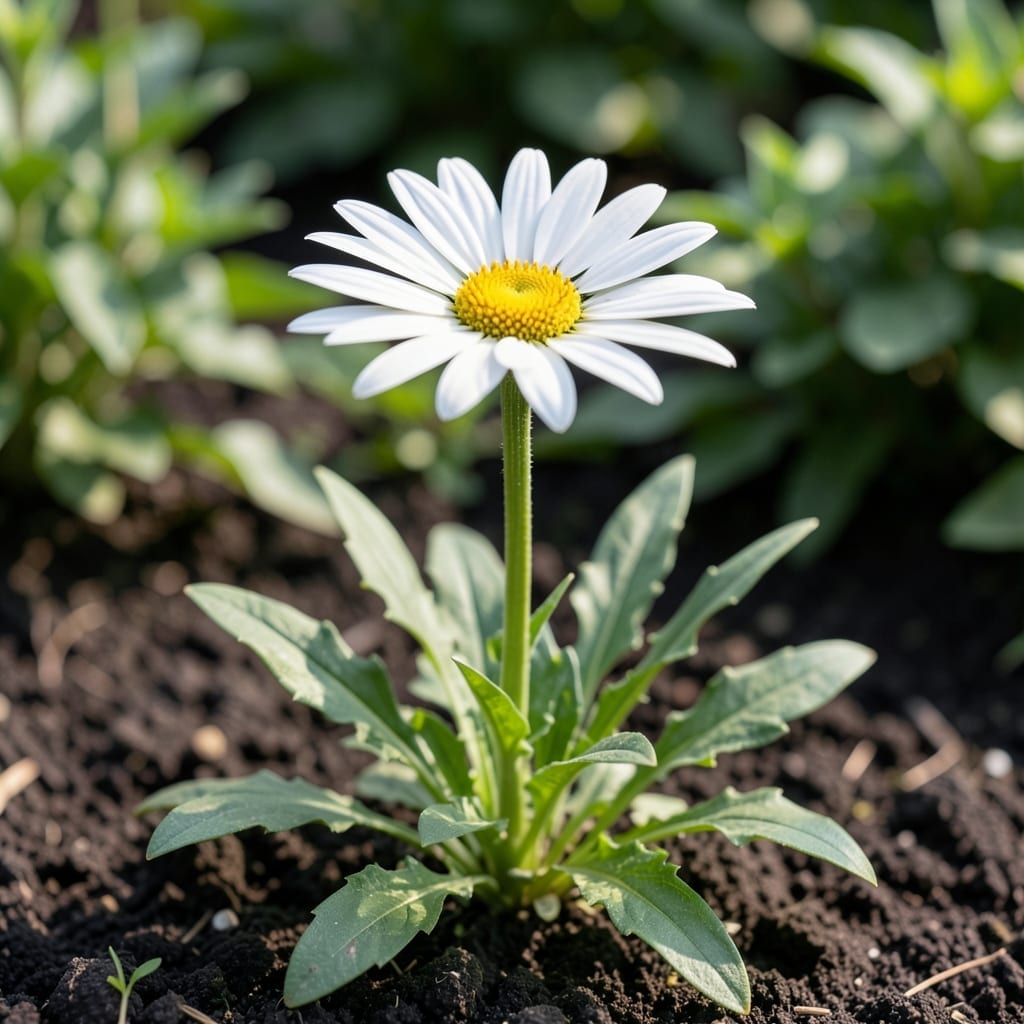
Daisies brighten any garden with their cheerful blooms, but their sunlight needs often spark confusion—do they truly thrive in full sun, or can they handle a bit of shade?
I’ve grown 🌼 Daisy in various conditions, and the answer isn’t as simple as you might think. These hardy flowers have some flexibility, but getting their light requirements right is the key to vibrant, healthy growth.
Let me share what I’ve learned about striking the perfect balance for your daisies, so you can enjoy their beauty all season long.

Most daisy varieties thrive in full sun, which means at least 6-8 hours of direct sunlight daily. This includes popular types like Shasta daisies and Oxeye daisies, which produce the most vibrant blooms under these conditions.
However, some varieties like African daisies can tolerate partial shade, especially in hotter climates where afternoon sun might be too intense. Understanding your specific daisy type is crucial for optimal growth.
| Variety | Sunlight Needs | Notes |
|---|---|---|
| Shasta Daisy | Full Sun | 6-8 hours daily |
| Oxeye Daisy | Full Sun | Tolerates partial shade |
| African Daisy | Full Sun to Partial Shade | Afternoon shade in hot climates |
| Gerbera Daisy | Full Sun | Morning sun preferred |
In my experience, Shasta daisies perform best with morning sun and some afternoon shade in extremely hot regions. This prevents leaf scorch while still encouraging abundant blooms.
Oxeye daisies are more forgiving and can handle partial shade, though they may produce fewer flowers. I’ve seen them thrive in gardens with dappled sunlight throughout the day.
African daisies are unique—they actually prefer cooler temperatures and can struggle in intense heat. In my garden, they do best with morning sun and afternoon shade, especially during peak summer.
Gerbera daisies are another sun-loving variety, but they appreciate protection from harsh midday rays. I recommend planting them where they can enjoy gentle morning light and some shade later in the day.
If you’re in a hot climate, consider providing afternoon shade for most daisy varieties. This prevents stress and keeps the blooms vibrant longer. I’ve found that using shade cloth works wonders during heatwaves.
For gardeners in cooler regions, full sun is almost always ideal. Daisies in these areas will benefit from every bit of sunlight they can get, as it helps them produce more flowers and maintain healthy foliage.
Remember, while most daisies love sun, soil moisture is equally important. Even sun-loving varieties need consistent watering, especially during dry spells. I always check the soil before watering to avoid overdoing it.
🌼
Your daisies will tell you if their sunlight needs aren’t met—you just need to know what to look for. I’ve learned that wilting or yellowing leaves often signal too much direct sun, especially in hot climates.
Leggy stems and fewer blooms are classic signs of insufficient light. I noticed this with my Shasta daisies when I first planted them in a shady corner. They stretched toward the light but barely flowered.
⚠️ Warning: Leaf scorch (brown, crispy edges) means too much sun. Pale blooms or weak stems indicate not enough light. Adjust placement or use shade cloth to protect them.
Another red flag is faded flower colors. I’ve seen vibrant Gerbera daisies lose their intensity when exposed to harsh afternoon sun. Moving them to a spot with morning sun restored their bright hues.
If your daisies are leaning excessively toward a light source, they’re light-starved. This happened to my Oxeye daisies under a tree canopy. Transplanting them to a sunnier spot fixed the issue within weeks.
Stunted growth is another sign of inadequate light. My African daisies stayed small and sparse until I moved them to a brighter location. The difference was remarkable—fuller plants and more abundant blooms.
Remember, even sun-loving daisies need protection in extreme heat. I use mulch to retain moisture and shade cloth during peak summer. This keeps my daisies thriving without heat stress. 🌼