
Beautiful Plants For Your Interior
Beautiful Plants For Your Interior
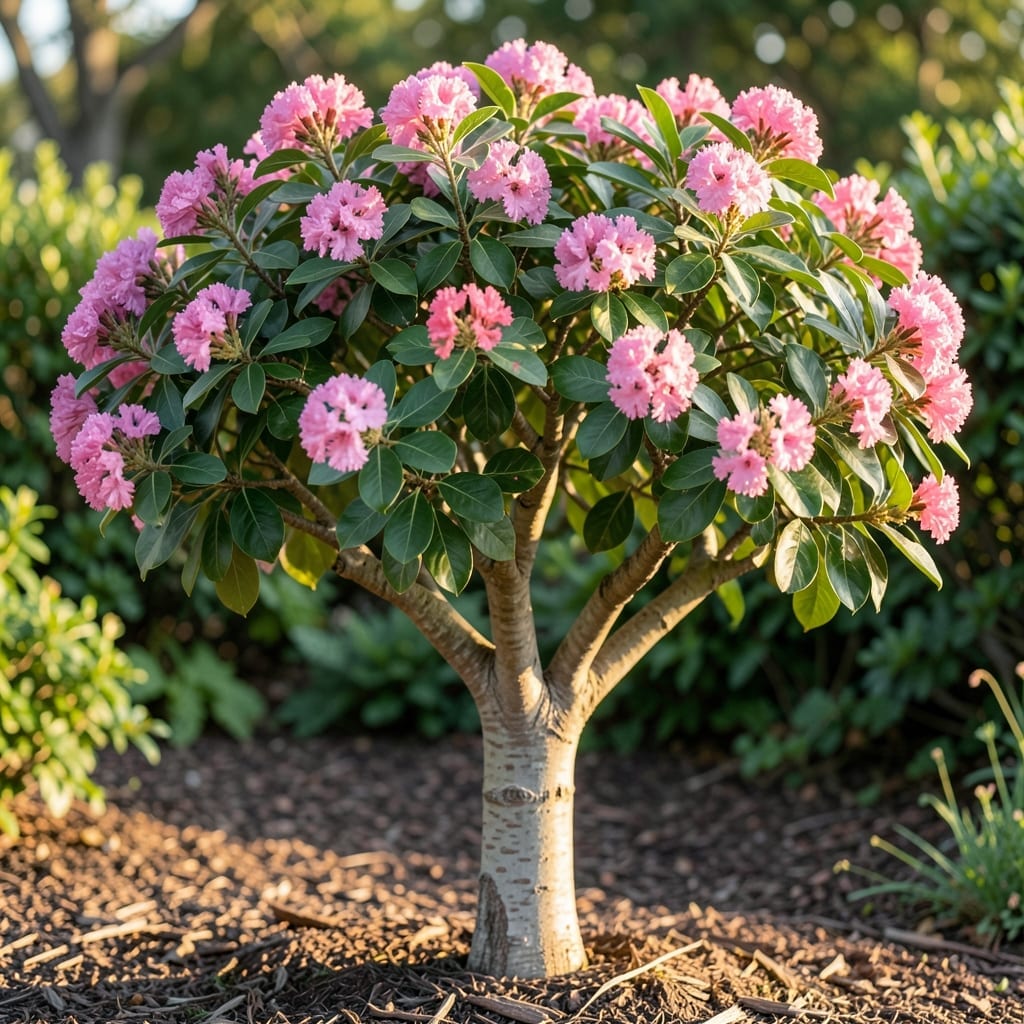
Yes, crepe myrtles are deciduous in colder climates, shedding leaves in winter to conserve energy. In warmer regions, they may retain foliage year-round or lose leaves briefly during mild cold snaps.
This seasonal change is a natural survival strategy that helps the tree direct energy to its roots during dormancy. In my experience, the timing and extent of leaf drop depend heavily on local climate conditions. Even in mild winters, you might notice some foliage loss as the plant prepares for spring regrowth. ✨
What’s fascinating is how crepe myrtles adapt to temperature shifts, often shedding leaves more dramatically in areas with frost. 🔥
💡 In This Article
The leaf drop begins when temperatures consistently fall below 50°F, triggering a hormonal response. The tree produces ethylene gas, signaling leaves to form an abscission layer at the base of their stems. This process severs the connection between leaf and branch, conserving water and nutrients for the root system during dormancy. 🌟
Daylight reduction plays an equally critical role. As days shorten in autumn, the decreased sunlight reduces photosynthesis efficiency. The tree recognizes it can’t sustain its foliage, so it systematically sheds leaves to prevent energy waste. In USDA zones 7-9, this typically occurs between late October and December.
What’s happening internally is even more fascinating. The tree redirects its limited energy reserves to root development and storage. Without leaves, it prevents moisture loss through transpiration, which would be especially damaging in freezing temperatures. This adaptation allows crepe myrtles to survive winters where soil temperatures might drop to 20°F. ✨
The process isn’t uniform across all varieties. Dwarf cultivars like ‘Pocomoke’ may hold leaves longer than standard types such as ‘Natchez’. Even in the same climate zone, microclimates can create 2-3 week differences in when the leaf drop begins and ends. The timing often aligns with the first frost date in your region.
This seasonal defoliation serves another purpose: protection. Bare branches are less susceptible to wind damage and ice accumulation. The tree’s smooth bark also helps prevent cracking from freeze-thaw cycles, making it particularly well-adapted to its native subtropical and temperate environments. 🔥
In warmer climates (USDA zones 9-11), they may keep leaves year-round. Even brief cold snaps might cause only partial leaf drop as the tree adapts to local conditions.
New growth typically emerges in early spring, about 4-6 weeks after the last frost. Warmer regions see leaves 2-3 weeks earlier than colder areas.
No, it’s completely normal and healthy! The tree conserves energy by shedding leaves. Only worry if you see excessive bark splitting or no spring regrowth.
Yes, clear them to prevent mold or pests. A thin layer can act as natural mulch, but thick piles may trap moisture against the trunk.