
Beautiful Plants For Your Interior
Beautiful Plants For Your Interior
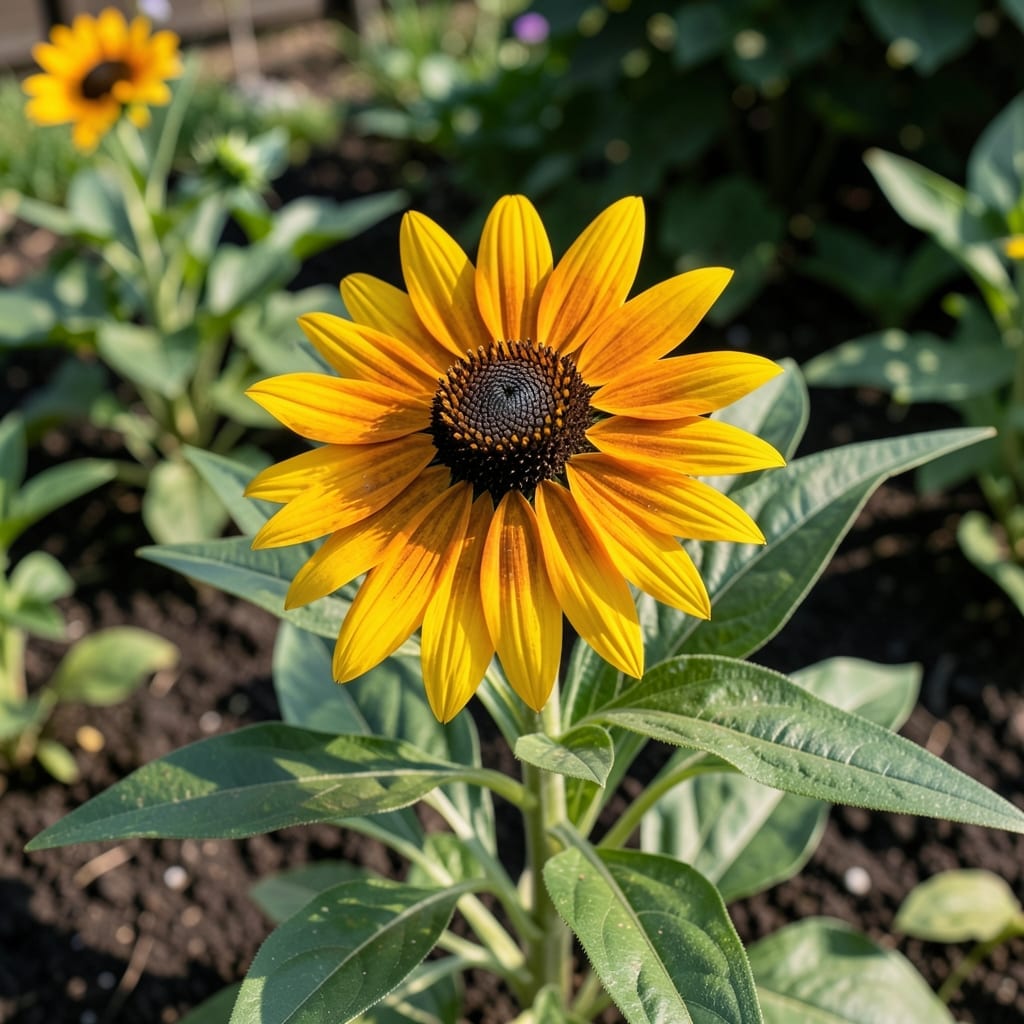
Black eyed Susans spread naturally through self-seeding and rhizomes, forming dense clusters over time. They can expand 1-2 feet per year in ideal conditions but are easy to control.
I’ve seen these cheerful perennials create stunning drifts in gardens thanks to their underground runners and prolific seed production. 🌟 The rhizomes help them establish thick patches, while the seeds allow new plants to pop up in nearby soil. Ideal growing conditions like full sun and well-drained soil can speed up their expansion, but they respond well to simple maintenance like dividing clumps every few years.
💡 In This Article
The primary method is through underground rhizomes, which are horizontal stems that shoot out new growth. These can extend 12-24 inches annually in healthy soil, creating interconnected plant clusters. Above ground, the familiar daisy-like flowers produce seeds that drop and germinate nearby, often within a 6-inch radius of the parent plant.
This dual system makes them excellent for naturalizing areas. 🌟
Environmental conditions significantly impact their spread rate. In full sun with moderate moisture, rhizomes grow most aggressively during spring and early summer. I’ve observed that well-draining loamy soil encourages faster expansion than heavy clay. The plants enter dormancy in winter, with new shoots emerging from the rhizome network as temperatures rise above 55°F in spring.
🔥
Self-seeding becomes most noticeable in late summer when the flower heads mature. Each seed head can contain 50-200 seeds, though not all will germinate. The seeds require light to sprout, which is why they often appear in bare soil patches.
This explains why you’ll frequently see new plants emerging in mulched areas where seeds have direct soil contact. ✨
The combination of rhizomatous growth and self-seeding creates a compounding effect over time. A single plant can become a 3-4 foot wide patch within 2-3 years under ideal conditions. However, this expansion is typically gradual and predictable, unlike invasive species that spread uncontrollably.
The plants form a shallow root system that’s easy to manage with basic gardening tools. 💫
Seasonal behavior also plays a role in their propagation pattern. While rhizomes continue growing underground through fall, the most visible expansion occurs during the active growing season from late spring to early fall. This predictable growth cycle makes it relatively simple to plan for their spread in landscape designs.
They typically spread 1-2 feet per year through rhizomes. In ideal conditions, a single plant can form a 3-4 foot patch within 2-3 years.
No, their spread is gradual and manageable. Unlike aggressive invasives, they form shallow roots that are easy to control with regular maintenance.
Deadhead spent blooms before seeds form. This simple step reduces new plants by 80-90% while encouraging more flowers.
Divide every 2-3 years in early spring or fall. Use a sharp spade and replant sections with 18 inches between them.