
Beautiful Plants For Your Interior
Beautiful Plants For Your Interior
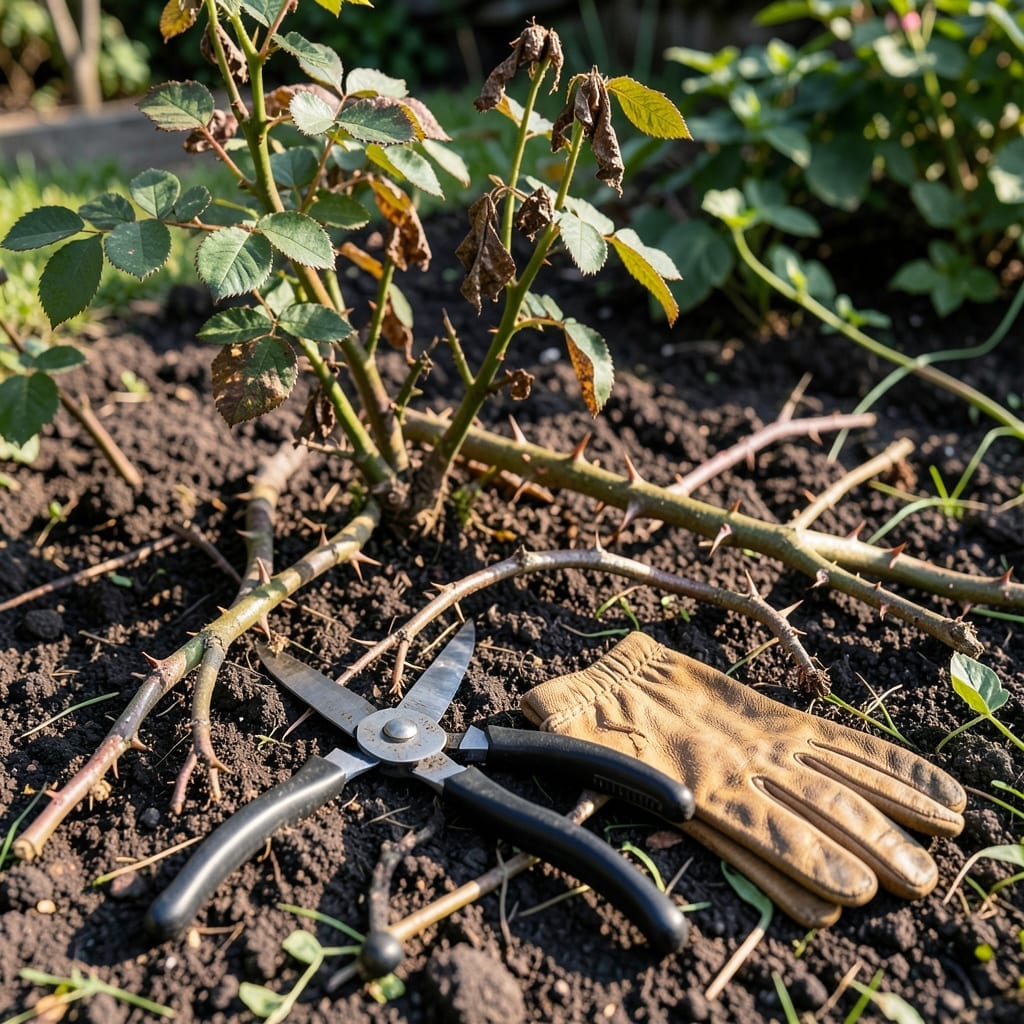
Blackened stems and withered canes signal trouble in your roses. I’ve nursed more than a few bushes back from the brink after spotting these warning signs early enough.
Die back often starts with dark, shriveled tips working downward. Catching it in the first 24-48 hours can mean the difference between saving the plant and losing it entirely.
Simple fixes like pruning below the damage and improving airflow usually reverse the decline. The key is acting before the rot spreads to healthy tissue.
Works for hybrid teas, climbers, and shrub roses alike. Here’s what to do next.
Understanding why die back occurs in roses is the first step to preventing it. This condition, where stems and branches wither from the tips downward, is often a sign of underlying stress or disease. Below are the most common causes, explained in clear, actionable terms.
Roses thrive in moist but well-drained soil. When roots sit in waterlogged conditions, they suffocate and rot, cutting off nutrient and water uptake. This stress triggers die back as the plant conserves energy. Fix it: Ensure pots have drainage holes and amend heavy clay soil with organic matter to improve aeration.
Sudden temperature drops or prolonged freezes can damage rose canes, especially in late fall or early spring. Frost cracks or desiccated tissues disrupt the flow of water and nutrients, leading to die back. Prevent it: Apply a thick layer of mulch around the base in late fall and use burlap wraps for tender varieties.
Pathogens like Botrytis (gray mold) or Pseudomonas bacteria enter through wounds or weak spots, causing blackened, shriveled stems. These infections often spread in wet, humid conditions. Combat it: Prune affected areas with sterilized tools, improve air circulation, and apply copper-based fungicides preventatively.
Sap-sucking pests such as aphids, spider mites, or rose stem girdlers weaken the plant by draining vital fluids. Severe infestations can lead to stunted growth and die back. Control it: Use insecticidal soap or neem oil for minor outbreaks, and introduce beneficial insects like ladybugs for long-term management.
A lack of essential nutrients—particularly potassium, magnesium, or iron—can stress roses, making them susceptible to die back. Yellowing leaves (chlorosis) often accompany these deficiencies. Address it: Conduct a soil test and amend with a balanced rose fertilizer or organic compost to restore nutrient levels.
Reviving your roses starts with pinpointing the cause. Below are targeted fixes paired with prevention tips to keep your blooms thriving. 🌹
Remove all infected canes and foliage immediately using sterilized pruners (dip in rubbing alcohol between cuts). Apply a copper-based fungicide or neem oil to the remaining plant and surrounding soil. Prevention: Improve airflow by spacing plants properly, and water at the base—never overhead—to keep leaves dry.
Blast aphids or mites off with a strong stream of water, then introduce beneficial insects like ladybugs. For stubborn pests, use insecticidal soap or horticultural oil. Prevention: Inspect plants weekly for early signs of pests, and encourage natural predators by planting companion flowers like marigolds.
Check soil moisture 2 inches deep—if bone-dry, water deeply; if soggy, hold off and improve drainage with compost or sand. Mulch around the base (but not touching the stem) to retain moisture. Prevention: Use a moisture meter or the finger test (stick your finger in the soil) to guide watering. Aim for 1–2 inches of water per week, including rainfall.
Shield roses from extreme heat or cold with shade cloth or frost blankets. If roots are exposed, mound soil around the base for insulation. Prevention: Plant roses in a location with morning sun and afternoon shade in hot climates. In winter, add a 3-inch layer of mulch after the first frost.
Apply a balanced rose fertilizer (10-10-10) or organic options like compost tea. Yellow leaves with green veins? Use chelated iron for iron deficiency. Prevention: Fertilize in early spring and after the first bloom cycle. Avoid over-fertilizing, which can burn roots.
Pro Tip: 💡 Always disinfect tools and clear fallen debris to prevent reinfection or pest resurgence. Healthy roses start with consistent, attentive care!
Early indicators include blackened or shriveled stem tips. Leaves may turn brown or crispy before falling off. Check for dark spots working downward from the top.
Yes, if caught early. Prune 2-3 inches below the damaged area with sterilized tools. Remove all infected material to prevent spread.
Improve drainage, ensure good airflow, and maintain consistent watering. Apply mulch in winter and inspect plants weekly for pests or disease.
Fungal and bacterial causes can spread if tools or debris carry pathogens. Always sterilize pruners and clear fallen leaves to protect nearby plants.