
Beautiful Plants For Your Interior
Beautiful Plants For Your Interior
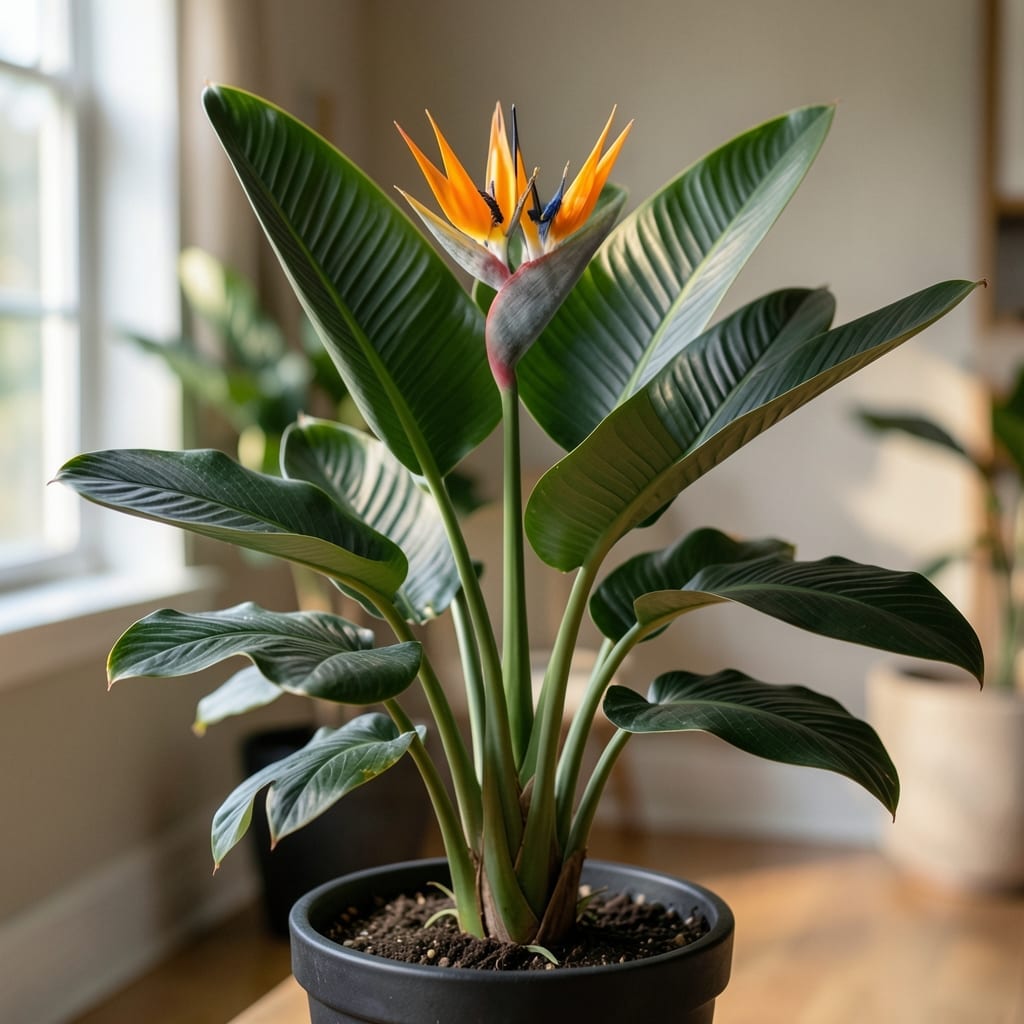
This plant changed how I garden in dry climates. Desert bird of paradise brings tropical beauty to water-stingy landscapes without the usual fuss.
It thrives on neglect, asking only for well-draining soil and full sun. I’ve seen it flourish in 100°F heat with nothing but occasional rain, blooming orange and yellow flowers that stop traffic.
You’ll get fast growth—3-4 feet the first year—and flowers by summer. The pods that follow add unique texture, and the whole plant stays green through mild winters.
Perfect for slopes, borders, or that one impossible dry spot where nothing else survives. Here’s how to make it shine.
The desert bird of paradise flower (Caesalpinia gilliesii) flourishes in dry climates due to a combination of evolutionary adaptations and environmental factors. Below are the key reasons behind its resilience in arid landscapes.
This plant develops extensive, deep root systems that tap into moisture stored far below the surface. These roots allow it to access water sources unavailable to shallow-rooted plants, ensuring survival during prolonged droughts.
The desert bird of paradise has thick, succulent-like stems that store water efficiently. This adaptation enables it to endure periods of limited rainfall by slowly releasing stored moisture to sustain its foliage and blooms.
Its small, pinnate leaves are covered in a waxy coating that reduces water loss through transpiration. Additionally, the plant often sheds some leaves during extreme heat, minimizing surface area exposed to the sun and conserving energy.
The seeds of this species have evolved to germinate only when conditions are favorable, such as after a rare rainfall. This ensures that new plants have the best chance of survival in an otherwise harsh environment.
These adaptations make the desert bird of paradise an ideal choice for water-wise gardens in dry regions.
Keeping your Caesalpinia gilliesii thriving is simple with the right fixes for common problems. Here’s how to tackle them:
If leaves turn yellow, it’s often a sign of overwatering. This plant hates soggy roots! Fix: Repot in well-draining soil mixed with sand or perlite. Ensure pots have drainage holes. Prevent: Water only when the top 1-2 inches of soil are dry. Pro tip: 💡 Use a moisture meter to avoid guesswork.
Spider mites or aphids love dry conditions. Fix: Blast them off with water or apply neem oil spray weekly until gone. Prevent: Mist leaves occasionally to deter pests and keep humidity up. Bonus: ✨ Introduce ladybugs—nature’s pest control!
Tall, sparse stems mean your plant is stretching for light. Fix: Move it to a sunnier spot (6+ hours of direct light daily). If indoors, use a grow light. Prevent: Rotate the pot weekly for even growth. Remember: 🎯 Desert natives love full sun!
Sudden leaf drop? Usually underwatering or shock from temperature swings. Fix: Give it a deep drink, then let soil dry slightly between waterings. Prevent: Avoid cold drafts and keep temps above 50°F (10°C). Quick check: 🌡️ Stick your finger in soil—dry? Time to water.
It thrives in full sun, requiring at least 6-8 hours of direct sunlight daily. In extremely hot climates, it can tolerate partial shade but may produce fewer blooms.
No, all parts of the plant are toxic if ingested. Keep it out of reach of cats and dogs. If consumed, contact your vet immediately.
Water deeply every 2-3 weeks once established. Allow the top 1-2 inches of soil to dry completely between waterings to prevent root rot.
It’s hardy to about 20°F. In colder zones, grow it in containers and bring indoors before the first frost.