
Beautiful Plants For Your Interior
Beautiful Plants For Your Interior
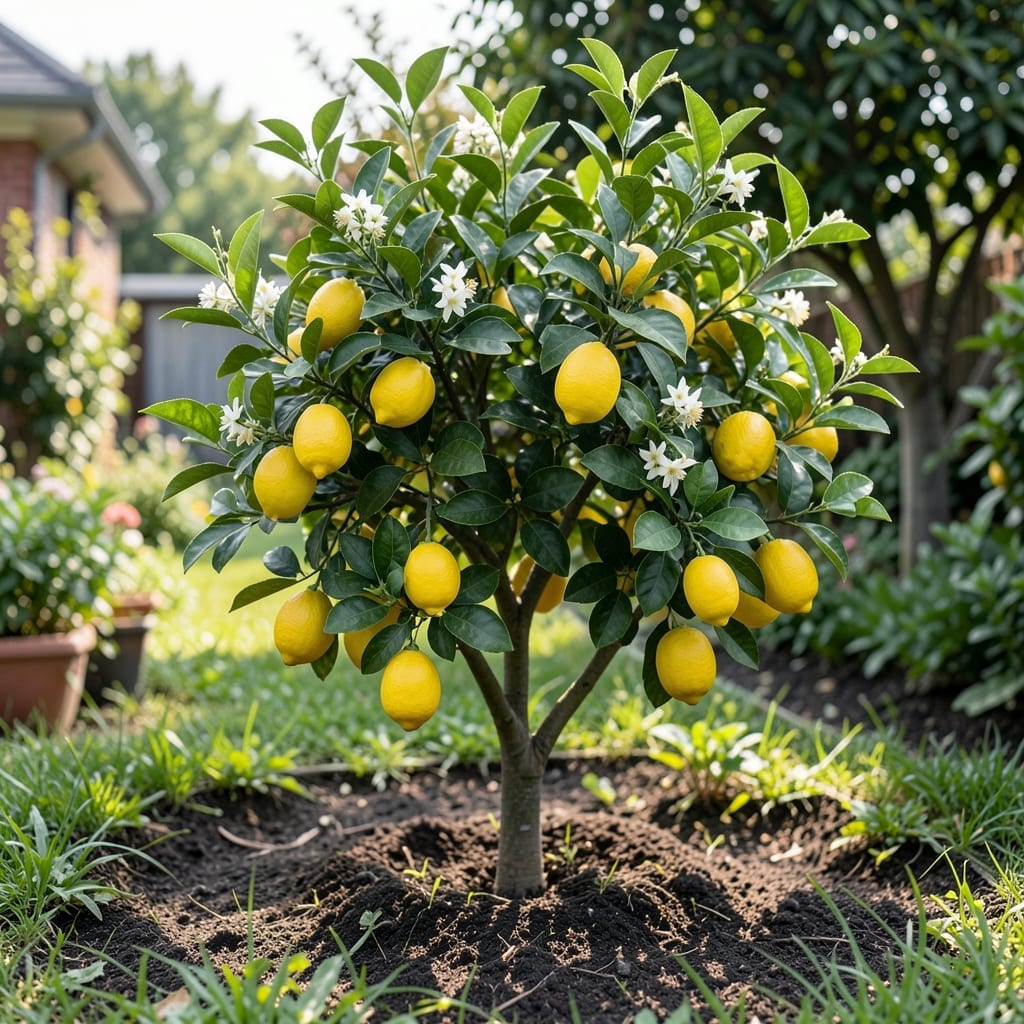
Wrinkled, lopsided lemons on your tree aren’t just ugly—they’re a distress signal. I’ve seen perfectly healthy-looking trees produce misshapen fruit overnight, and the causes are usually simpler than you’d think.
Most often, it’s inconsistent watering, a hungry tree starved for zinc or boron, or pests throwing a party in your canopy. The good news? These are all fixable problems with targeted care, not permanent damage.
You’ll start seeing smoother, rounder fruit within one growing season once you address the root issue. The tree itself stays productive and healthy—it just needs the right support.
Works for potted lemons, backyard trees, or even that stubborn heirloom you inherited. Let’s diagnose and fix it.
Deformed lemon fruit often results from environmental or biological stressors disrupting normal growth. Below are the primary causes, explained with actionable insights.
Lemons thrive in moderate climates (60–85°F). Heatwaves above 100°F or frost below 32°F can damage developing fruit, causing uneven cell division. Protect trees with shade cloth in summer and frost blankets in winter.
Inconsistent watering—either drought or waterlogging—triggers physiological stress. Drought limits nutrient uptake, while soggy roots suffocate the tree. Maintain 1–2 inches of water weekly, adjusting for rainfall, and ensure well-draining soil.
Citrus leafminers and aphids feed on young fruit, distorting growth. Neem oil or insecticidal soap applied biweekly can curb outbreaks. Prune affected branches to limit spread.
Diseases like citrus canker or anthracnose create lesions that deform fruit. Remove infected fruit immediately and apply copper fungicide preventatively during wet seasons.
Lack of zinc, boron, or nitrogen stunts development. Yellowing leaves with deformed fruit? Test soil and amend with micronutrient-rich fertilizers (e.g., citrus-specific blends).
Incomplete pollination leads to lopsided fruit. Encourage bees with companion plants (e.g., lavender) or hand-pollinate using a soft brush during bloom.
Tackling misshapen citrus starts with pinpointing the root cause. Below are targeted fixes mapped to common triggers, plus prevention tips to keep your tree thriving.
Yellowing leaves or stunted growth often signal a lack of nitrogen, zinc, or boron. Apply a citrus-specific fertilizer rich in micronutrients, following package instructions. For a quick boost, use a foliar spray with chelated zinc. Prevention tip: Test soil annually and amend with compost before planting.
Deformed fruit can result from drought stress or overwatering. Maintain consistent moisture by watering deeply 1–2 times a week, allowing the top inch of soil to dry between waterings. Mulch with organic material to retain moisture. Prevention tip: Install a drip irrigation system for even water distribution.
Aphids, mites, or citrus leafminers can distort new growth. Spray with neem oil or insecticidal soap at the first sign of pests, focusing on the undersides of leaves. For severe cases, use horticultural oil in the dormant season. Prevention tip: Encourage beneficial insects like ladybugs by planting companion flowers.
Late frosts can deform developing fruit. Shield young trees with frost cloth or burlap wraps when temperatures drop below 32°F (0°C). For established trees, string lights can provide gentle warmth. Prevention tip: Plant in a sheltered location or use containers for mobile protection.
If citrus greening or fungal infections are suspected, prune affected branches and disinfect tools with rubbing alcohol. Apply a copper fungicide as a preventive measure. Prevention tip: Avoid overhead watering to reduce fungal spores.
Pro tip 💡: Healthy trees are less prone to deformities. Prioritize balanced care—proper pruning, sunlight, and airflow—to give your lemons the best start!
Yes, misshapen lemons are usually safe to eat if the cause is environmental or nutritional. Discard fruit with visible mold, rot, or pest damage. Wash thoroughly before use to remove any surface contaminants.
With proper care, new growth typically appears normal within 1-2 growing seasons. Address the root cause immediately to prevent further deformed harvests. Consistency in watering and nutrients speeds up recovery.
Inconsistent watering and nutrient deficiencies top the list. Zinc or boron shortages often create lopsided fruit, while water stress causes uneven development. Test soil and adjust care accordingly.