
Beautiful Plants For Your Interior
Beautiful Plants For Your Interior
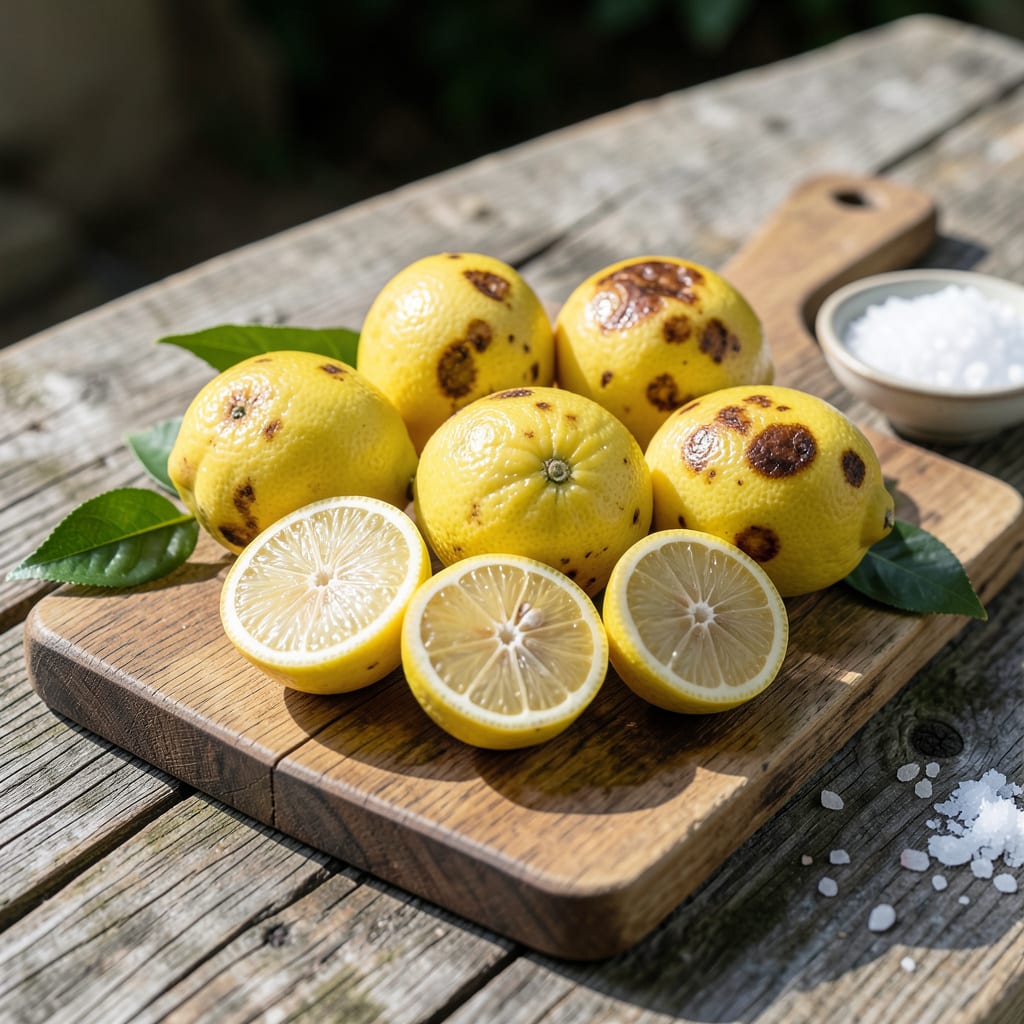
Brown spots on your lemons aren’t just ugly—they’re your tree screaming for help. I’ve seen nutrient shortages, sneaky pests, and even sunburn create these exact same marks on my citrus.
What looks like disease might be something simpler: inconsistent watering, a magnesium shortage, or scale insects draining the fruit. The pattern tells you everything—tiny dots mean mites, large patches scream fungal infection.
Once you identify the cause, solutions are straightforward: adjust your spray schedule, add the right supplement, or introduce beneficial predators. Most trees bounce back within 2-3 weeks of proper care.
Prevention beats treatment every time. Regular inspections, proper spacing, and consistent watering keep your lemons spot-free and productive for years.
Brown spots on lemon fruit often signal underlying issues that disrupt the tree’s health or fruit development. Below are the most common causes, explained with actionable insights.
Pathogens like Alternaria or Phytophthora thrive in damp conditions, leading to dark, sunken lesions. Overhead watering or poor air circulation exacerbates growth. Solution: Apply copper-based fungicides and prune affected branches to improve airflow.
Scale insects, mites, or citrus leafminers pierce the fruit’s skin, creating entry points for secondary infections. Their feeding causes localized browning. Solution: Introduce beneficial insects (e.g., ladybugs) or use horticultural oil sprays.
Lack of calcium or boron triggers cell breakdown, manifesting as brown, corky spots. Soil pH imbalances (too acidic/alkaline) can block nutrient uptake. Solution: Test soil and amend with gypsum (for calcium) or borax (for boron).
Sunburn from intense UV exposure or frost damage causes superficial browning. Wind or mechanical injuries (e.g., harvesting tools) also lead to discoloration. Solution: Use shade cloth during peak sun or frost protection in cold climates.
Overuse of pesticides or foliar sprays can scorch fruit tissue, leaving brown patches. Always follow label rates and apply during cooler parts of the day.
Addressing brown spots on lemon fruit starts with identifying the root cause. Below are targeted solutions paired with prevention tips to keep your lemons healthy and blemish-free.
Fix: Test your soil to confirm deficiencies (commonly zinc, magnesium, or nitrogen). Apply a balanced citrus fertilizer or a foliar spray with the missing nutrient. For zinc, use a zinc sulfate spray; for magnesium, Epsom salt (1 tablespoon per gallon of water) works well.
Prevention: Fertilize regularly with a citrus-specific formula and monitor soil pH (ideal: 6.0–7.0).
Fix: For scale insects or mites, spray with neem oil or insecticidal soap, focusing on the undersides of leaves. Repeat every 7–10 days until pests are gone. For severe cases, introduce beneficial insects like ladybugs.
Prevention: Inspect trees weekly for early signs of pests. Keep the area around the tree free of debris where pests can hide.
Fix: Remove and destroy infected fruit and foliage to prevent spread. Apply a copper-based fungicide or bactericide, following label instructions. Prune branches to improve airflow.
Prevention: Avoid overhead watering to reduce moisture on leaves. Water at the base of the tree in the morning so foliage dries quickly.
Fix: Protect trees from extreme heat or cold with shade cloth or frost covers. Ensure consistent watering—drought stress can cause spotting. Mulch around the base to retain moisture.
Prevention: Plant lemons in well-draining soil and provide 1–2 inches of water per week, adjusting for rainfall.
💡 Pro Tip: Always sanitize pruning tools with rubbing alcohol between cuts to avoid spreading disease!
If the spots are superficial, the fruit is usually fine to eat. Cut away affected areas first. Avoid consuming lemons with soft, sunken, or moldy spots, as these may indicate fungal or bacterial infection.
Remove affected fruit and prune nearby branches. Apply a copper fungicide as a preventive measure, and ensure good air circulation around the tree. This stops most issues in 7-10 days.
Spray with neem oil or insecticidal soap every 5-7 days until pests are gone. Introduce beneficial insects like ladybugs for long-term control. Most infestations clear in 2 weeks.
Baking soda sprays can help with mild fungal issues, but avoid undiluted vinegar or harsh chemicals. Always test a small area first to prevent further damage.
