
Beautiful Plants For Your Interior
Beautiful Plants For Your Interior
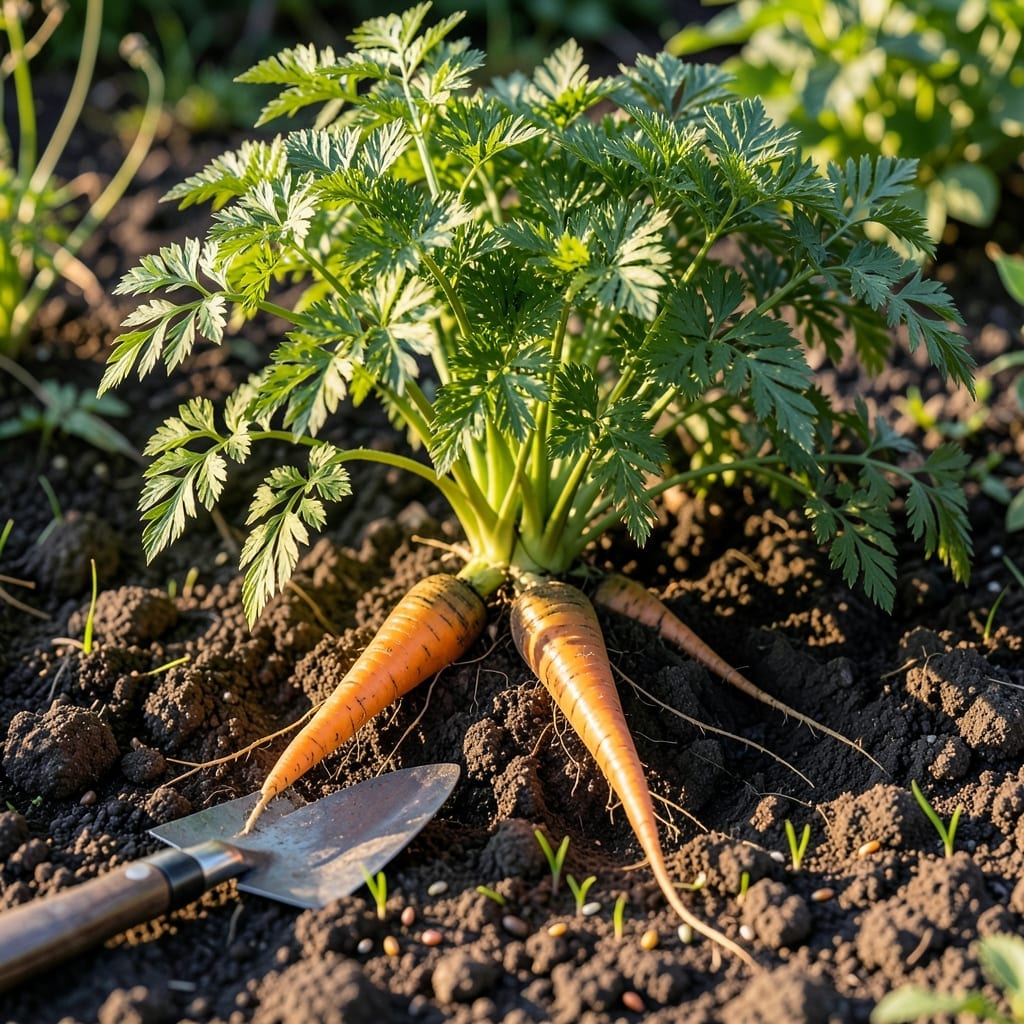
Strong roots mean resilient plants that laugh at drought. I learned this the hard way after watching my shallow-rooted veggies wilt in a 3-day heatwave.
This method trains roots to grow deep, accessing water and nutrients most gardeners never reach. The results? Plants that stand tall through storms and produce consistent harvests season after season.
📚 In This Guide
This method builds resilient plants that withstand drought and produce exceptional yields.
Choose species known for extensive root systems like tomatoes, carrots, or dandelions. I focus on heirloom varieties often bred for deep rooting before modern hybridizing prioritized compact growth. Check seed catalogs for descriptions mentioning drought tolerance or extensive root systems.
Real talk: shallow-rooted plants like lettuce won’t benefit from this technique. Your energy is better spent on species that naturally develop taproots or fibrous networks extending 12-24 inches or deeper. This ensures the plant can access moisture and nutrients far below the surface.
Loosen the soil to a depth of at least 18-24 inches using a broadfork or digging fork. This breaks up compacted layers that would otherwise stop root growth. I’ve found that double-digging (digging a trench, then digging the soil at the bottom of that trench) creates the ideal loose, aerated environment.
Avoid tilling, which can destroy soil structure. Instead, add 2-3 inches of compost and work it in gently. The goal is to create a friable texture that roots can push through easily while maintaining the soil’s natural stratification.
When transplanting seedlings, plant them slightly deeper than their current container depth. This encourages the stem to grow additional roots along the buried portion. For direct seeding, plant seeds at the depth specified on the packet—usually twice the seed diameter—and ensure good seed-to-soil contact.
Here’s the thing—water deeply immediately after planting to settle the soil and eliminate air pockets. Then, resist the urge to water again for 2-3 days. This forces roots to grow downward in search of moisture, establishing the deep pattern you want from the start.
Water thoroughly but infrequently to train roots to grow deep. I use a soaker hose or drip irrigation to deliver water slowly at the soil level, aiming for 1-2 inches of moisture per week, including rainfall. The key is to water until the top 6-8 inches of soil are moist, then let it dry out slightly before watering again.
You’ll know you’re doing it right when the soil surface appears dry but a finger test reveals moisture 2-3 inches down. This cycle of wetting and drying at depth signals roots to grow deeper in search of water, creating that strong foundation.
Apply a 2-4 inch layer of organic mulch like straw or wood chips around plants to retain moisture and regulate soil temperature. This reduces surface evaporation, allowing water to penetrate deeper where roots are growing. Keep mulch 1-2 inches away from plant stems to prevent rot.
Monitor plant health as an indicator of root development. Deep-rooted plants show remarkable resilience—they bounce back quickly after wilting and maintain steady growth during dry spells. If you notice leaves drooping in midday heat but perking up by evening, your deep root system is working beautifully.
Small adjustments in your approach can dramatically improve root development and plant resilience.
Plant Selection Insight: Focus on heirloom varieties specifically bred for deep root systems. In Step 1, look for seed catalog descriptions mentioning drought tolerance or extensive root networks. Species like tomatoes and carrots naturally develop the 12-24 inch root depth that makes this technique effective. Shallow-rooted plants simply won’t benefit from the effort.
Soil Preparation Technique: In Step 2, double-digging creates superior results compared to single digging. When you loosen soil to that critical 18-24 inch depth, you’re breaking through compacted layers that would otherwise halt root growth. The 2-3 inches of compost should be worked in gently to maintain soil structure while providing nutrients.
Watering Discipline: Step 4’s deep watering method requires patience. That 2-3 day wait after initial planting is crucial—it forces roots to grow downward. The 1-2 inches of weekly moisture (including rainfall) should penetrate the top 6-8 inches of soil, then be allowed to dry slightly before repeating. This cycle trains roots to seek water at depth.
Not all plants thrive with deep root systems. It’s ideal for perennials, trees, and shrubs, but shallow-rooted plants like lettuce or herbs may struggle. Always check plant-specific needs before diving in!
Early spring or fall is ideal, as cooler temps and moderate moisture help roots establish without stress. Avoid extreme heat or frost for best results.
Yes, but choose deep containers (18+ inches) to accommodate root growth. Ensure proper drainage and use a high-quality potting mix to prevent compaction.
Check soil compaction, watering habits (deep, infrequent watering encourages growth), and nutrient levels. Loosen soil gently and avoid over-fertilizing, which can hinder root depth.
Raised beds or amending soil with compost can improve conditions. If space is limited, consider dwarf varieties or container gardening with root-friendly mixes.