
Beautiful Plants For Your Interior
Beautiful Plants For Your Interior
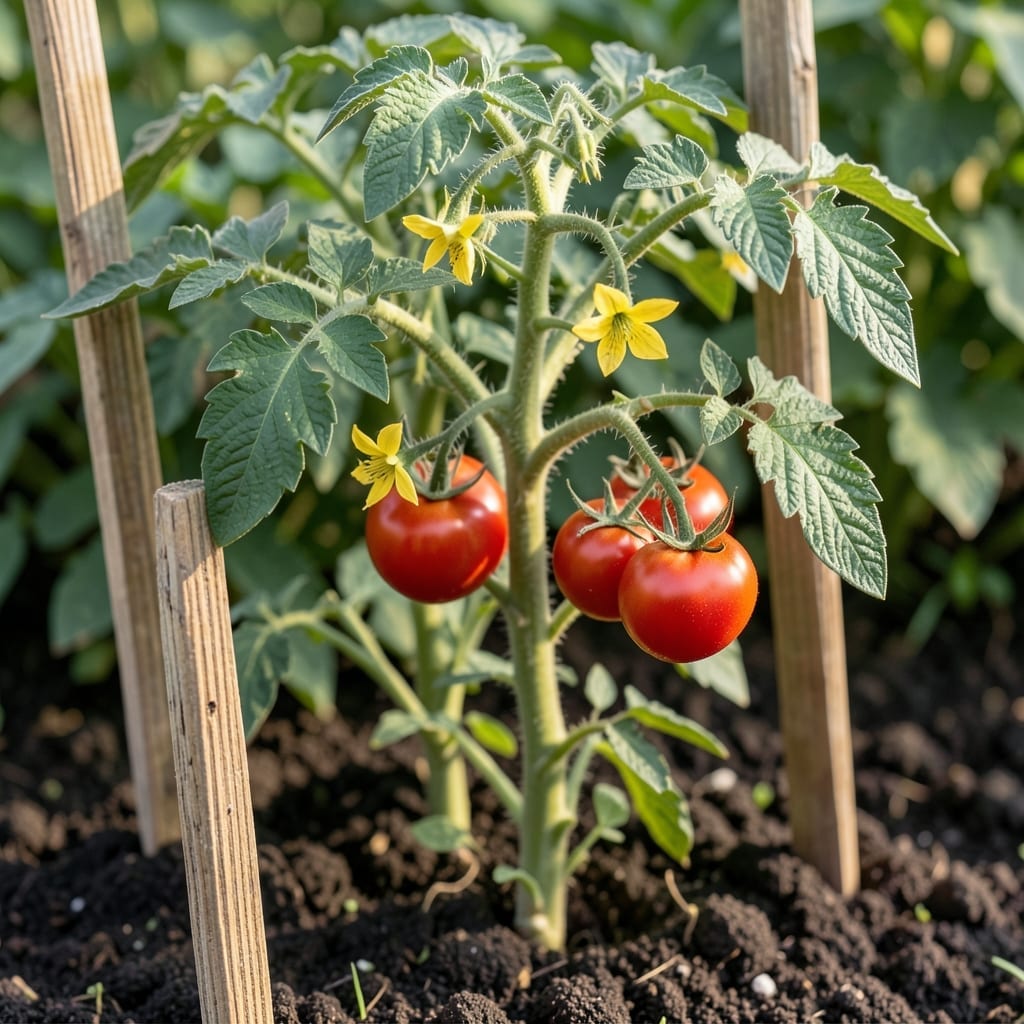
I’ll let you in on a little gardening secret: the root depth of tomatoes is what separates thriving plants from struggling ones. It’s the foundation of a bountiful harvest.
When you understand how deep 🍅 tomato roots grow, you can optimize your planting approach. Whether you’re using containers or garden beds, this knowledge changes everything.
Discover how proper root depth affects water absorption, nutrient uptake, and plant stability. Let’s dig into what makes tomatoes grow their strongest.
I’ve found that tomato root depth varies significantly by variety. Most determinate tomatoes develop roots 12-18 inches deep, while indeterminate types can stretch their roots 3-5 feet into the soil. 🌱
This depth difference directly impacts how your plants access water and nutrients. Deeper roots mean better drought resistance and more stable plants during storms or heavy fruit loads. That’s why understanding root depth is crucial for planting success.
| Variety | Root Depth | Key Benefit |
|---|---|---|
| Determinate | 12-18 inches | Compact growth |
| Indeterminate | 3-5 feet | Drought resistance |
| Cherry | 2-3 feet | Fast fruit production |
In my experience, root systems develop most effectively in loose, well-draining soil. Compacted soil restricts growth, which is why I always till my garden beds to at least 18 inches deep before planting. This gives roots room to expand. 🌿
For container gardeners, this means choosing pots that are at least 12-18 inches deep for determinate varieties. I’ve learned the hard way that shallow containers lead to stunted plants and poor yields, no matter how much you water.
The first few weeks after transplanting are critical. That’s when your tomato plants establish their root systems. I recommend watering deeply but less frequently to encourage roots to grow downward in search of moisture.
Another factor I’ve noticed is that mulching helps maintain soil moisture and temperature, which supports deeper root growth. I use straw or wood chips to keep the soil environment stable for my tomato plants. ✂️
Remember that root depth also affects how you space your plants. Deeper-rooted varieties need more space between them to prevent competition for water and nutrients. I typically give indeterminate tomatoes at least 3 feet of space in all directions.
One common mistake I see is planting too shallow. When transplanting seedlings, I bury them so that 2/3 of the stem is underground. This encourages additional root growth along the buried stem, creating a stronger foundation for the plant.
Finally, I’ve found that healthy soil with plenty of organic matter supports the most robust root systems. I amend my soil with compost each year to ensure my tomatoes have the best possible growing conditions. 🌻
Getting the soil depth right is the first step to strong tomato root growth. For determinate varieties, I aim for at least 18 inches of loose soil. This gives their 12-18 inch roots plenty of room to spread. 🌱
With indeterminate tomatoes, I go deeper—24-36 inches minimum. Their roots can extend 3-5 feet, so shallow soil limits their potential. In raised beds, I build up to 2 feet deep for best results.
For container gardening, I choose pots that are at least 18 inches deep and 20 inches wide. This mimics in-ground conditions. I’ve seen 5-gallon buckets work for small varieties, but bigger is always better.
I always pre-moisten the soil before transplanting. Dry soil can repel water, causing roots to struggle. After planting, I water deeply to settle the soil and eliminate air pockets around the roots. 🌿
Another tip: warm the soil first. Tomatoes hate cold roots. I use black plastic mulch or wait until soil temps hit 60°F before planting. This gives roots the best start for rapid growth.
In clay-heavy soil, I amend with sand and organic matter to improve drainage. Roots can’t grow well in waterlogged soil, so I also ensure my beds have slight slopes for runoff. ✂️