
Beautiful Plants For Your Interior
Beautiful Plants For Your Interior
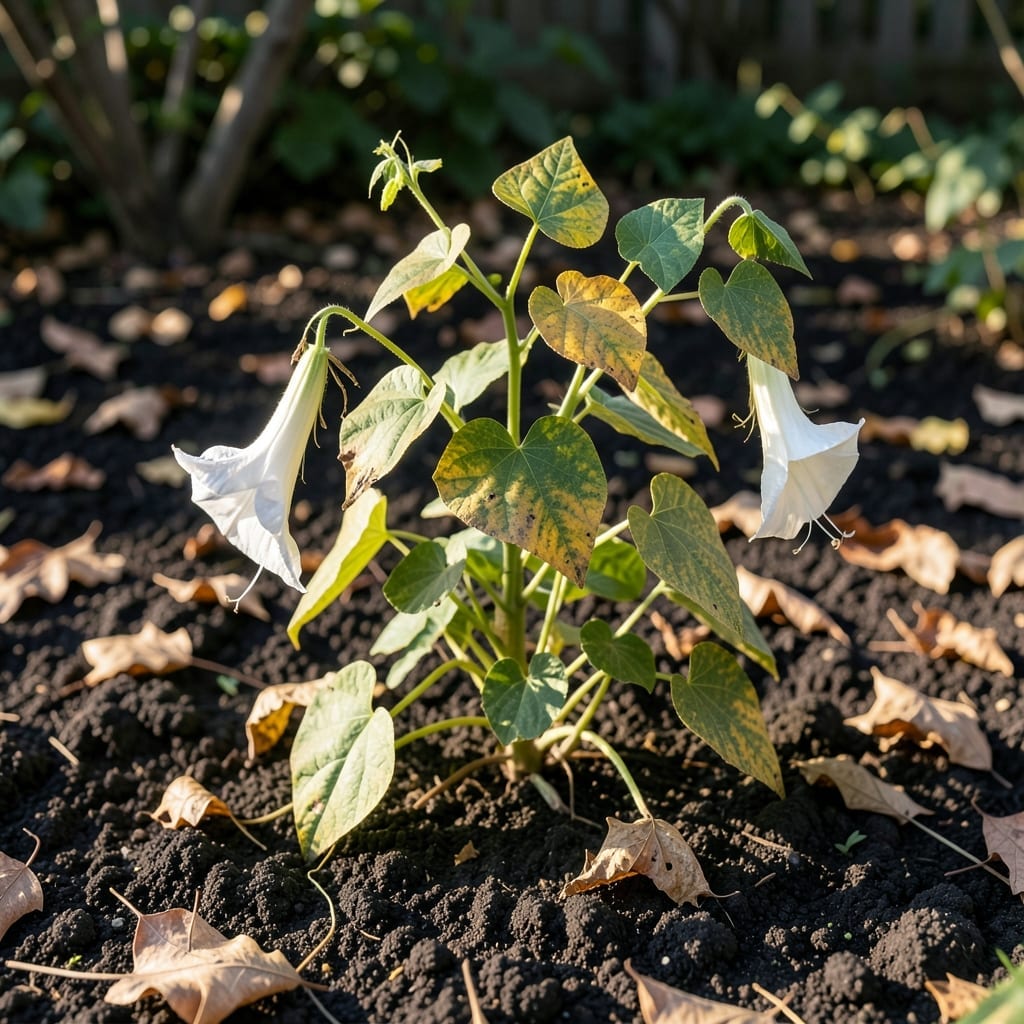
I lost my first moon flower vine overnight. No warning, no wilting—just crisis-level collapse by dawn. The heartbreak was real.
Turns out, these night-blooming beauties are drama queens about their conditions. Too much water, too little light, or the wrong soil pH and they’ll stage a dramatic exit.
Here’s the thing—most moon flower deaths are preventable with a few adjustments. I’ve since kept mine thriving for 3+ seasons by fixing these common mistakes.
You’ll spot the early signs next time: yellowing leaves, stunted growth, or that telltale droop. Catch it early, and your vine will bounce back stronger.
The death of the moon flower (or its sudden wilting) is often tied to environmental stress, pests, or cultural mismanagement. Below are the most common causes, explained with actionable insights to revive or prevent the issue.
Moon flowers (Ipomoea alba) thrive in warm, stable climates (70–85°F). Cold snaps below 50°F or heatwaves above 95°F disrupt their metabolism, leading to rapid decline. Even a single frost can blacken vines overnight. Fix: Move potted plants indoors or use row covers during temperature swings.
Overwatering causes root rot, while drought stresses the plant, both resulting in yellowing leaves and wilting. Moon flowers prefer consistently moist but well-draining soil. Tip: Water deeply when the top inch of soil is dry, and ensure pots have drainage holes.
Spider mites, aphids, and whiteflies sap the plant’s vitality, often targeting new growth. Look for sticky residue (honeydew) or webbing under leaves. Solution: Spray with neem oil or insecticidal soap at dusk to avoid harming pollinators.
As night-bloomers, moon flowers need full sun (6+ hours daily) to store energy for their nocturnal display. Shade or artificial light pollution (e.g., streetlights) can disrupt their blooming cycle, weakening the plant. Action: Relocate to a sunnier spot away from overnight lighting.
If your moon flower is struggling, don’t lose hope—many issues are fixable with the right care. Below are targeted solutions for common problems, along with prevention tips to keep your night-blooming beauty thriving.
Overwatering or poor drainage often causes yellow leaves. Fix: Let the soil dry slightly between waterings, and ensure pots have drainage holes. Use a well-draining potting mix with perlite or sand. Prevention: Water only when the top inch of soil feels dry, and avoid saucers that trap moisture.
Moon flowers need full sun (6+ hours) to bloom. Fix: Move the plant to a sunnier spot or supplement with grow lights. Feed with a balanced, phosphorus-rich fertilizer (e.g., 10-10-10) every 2–3 weeks during growing season. Prevention: Rotate potted plants occasionally for even light exposure.
Aphids, spider mites, or whiteflies can weaken the plant. Fix: Spray leaves with a neem oil solution (1 tsp oil + 1L water + a few drops of dish soap) or wipe pests off with a damp cloth. For severe cases, use insecticidal soap. Prevention: Inspect leaves regularly and keep the area clean to deter pests.
Moon flowers wilt under extreme heat or drought. Fix: Move to partial shade during peak afternoon heat and water deeply in the morning. Mulch around the base to retain moisture. Prevention: Group plants together to create a microclimate with higher humidity.
Remove dead or diseased stems to redirect energy to healthy growth. Prune leggy vines to encourage bushier, bloom-heavy plants. Best time: Early spring or after flowering.
Water when the top 1 inch of soil feels dry. These plants prefer consistently moist but well-draining soil, so aim for deep watering 2-3 times per week in hot weather. Always use pots with drainage holes.
They need full sun (6+ hours daily) to thrive and bloom. Partial shade may work in very hot climates, but expect fewer flowers and weaker growth. For best results, place them in the sunniest spot available.
Yellow leaves often signal overwatering or poor drainage. Check the roots for rot and adjust your watering schedule. Ensure the soil is well-draining to prevent waterlogging.
Prune in early spring or after flowering to remove dead stems and encourage bushier growth. Regular pruning helps redirect energy to healthy parts of the plant.