
Beautiful Plants For Your Interior
Beautiful Plants For Your Interior
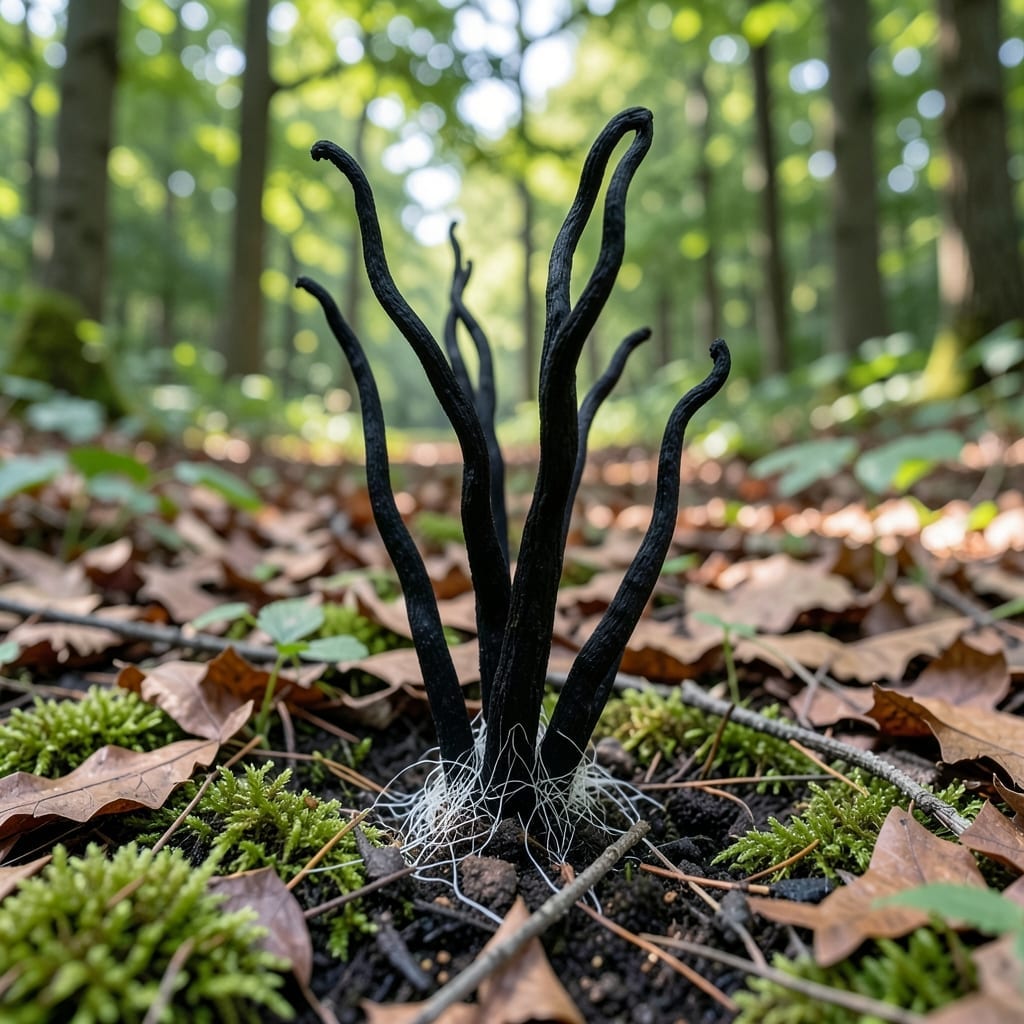
I spotted it first in my raised beds last spring—strange, finger-like growths pushing through the soil. Dead man’s fingers fungus looks alarming, but it’s more fascinating than dangerous to most plants.
It thrives in rich, undisturbed soil, often appearing after rain or near decaying wood. The black, club-shaped structures can reach 4-6 inches tall and feel spongy to the touch. Don’t panic: it’s harmless to healthy plants.
Removal is simple if you want it gone. Dig out the fungus at the base, bag it, and toss it in the trash. For prevention, improve drainage and avoid overwatering—lessons we learned the hard way.
This odd visitor signals rich, organic soil. Sometimes, the best action is just to observe and appreciate nature’s quirks.
Dead man’s finger fungus (scientific name: Xylaria polymorpha) is a saprobic fungus that thrives under specific environmental conditions. Here’s why it appears in your garden or wooded areas:
The primary cause is the presence of rotting hardwood, such as fallen logs, stumps, or buried wood. This fungus feeds on decomposing lignin and cellulose, breaking down dead plant material. It’s most common in oak, maple, or beech wood, especially in moist, shaded environments.
Xylaria polymorpha flourishes in damp, humid conditions. Overwatered soil, poor drainage, or prolonged rain can create the perfect breeding ground. Areas with heavy mulch or leaf litter also trap moisture, accelerating fungal growth.
This fungus is most active in moderate temperatures (50–75°F), typically appearing in late summer to fall. Cooler, wetter seasons provide ideal conditions for spore germination and mycelial spread.
Disturbing soil—through gardening, construction, or logging—can expose dormant spores to the surface. Once exposed to air and moisture, these spores activate, leading to visible fungal growth.
Piles of leaves, bark, or compost create a nutrient-rich environment. If not cleared, these materials decompose and attract Xylaria and other saprobic fungi.
If you’ve spotted dead man’s finger fungus in your garden or landscape, don’t panic—it’s manageable with the right approach. Below are targeted solutions paired with prevention tips to keep your space healthy and fungus-free.
This fungus thrives in soggy, waterlogged soil. To fix it, amend the area with organic matter like compost or sand to enhance drainage. For existing patches, dig up the affected soil, let it dry out in the sun, and replace it with fresh, well-draining soil. Prevention tip: Avoid overwatering and ensure your garden has proper grading to redirect excess water.
Dead man’s finger often grows on decaying wood. Remove all infected wood, stumps, or mulch immediately to prevent spread. Burn or dispose of the material in sealed bags—do not compost it. Replace with fresh, untreated wood or mulch. Prevention tip: Use resistant materials like cedar or gravel in high-risk areas.
Tight, crowded plantings trap moisture and encourage fungal growth. Thin out dense vegetation to allow air to circulate freely. Prune nearby shrubs or trees if needed. Prevention tip: Space plants according to their mature size and keep garden beds tidy to reduce humidity buildup.
For stubborn cases, use natural fungicides like neem oil or a baking soda solution (1 tbsp baking soda + 1 gallon water + a drop of dish soap). Spray affected areas weekly until the fungus subsides. Prevention tip: Reapply fungicides seasonally in damp climates or after heavy rains.
💡 Pro Tip: Always wear gloves and a mask when handling infected material to avoid inhaling spores or skin irritation.
No, it’s actually beneficial! This saprobic fungus breaks down dead wood and organic matter, enriching your soil. It doesn’t attack living plants or pose health risks to humans.
Remove the infected wood or soil entirely. For prevention, improve drainage and reduce organic debris buildup. Natural fungicides like neem oil can help suppress regrowth.
Avoid composting it. The spores can survive and spread to other areas. Instead, seal it in a bag and dispose of it with household trash.
Moisture triggers spore activation. Heavy rain or overwatering creates the perfect damp environment for it to emerge, especially in wooded or mulched areas.