
Beautiful Plants For Your Interior
Beautiful Plants For Your Interior
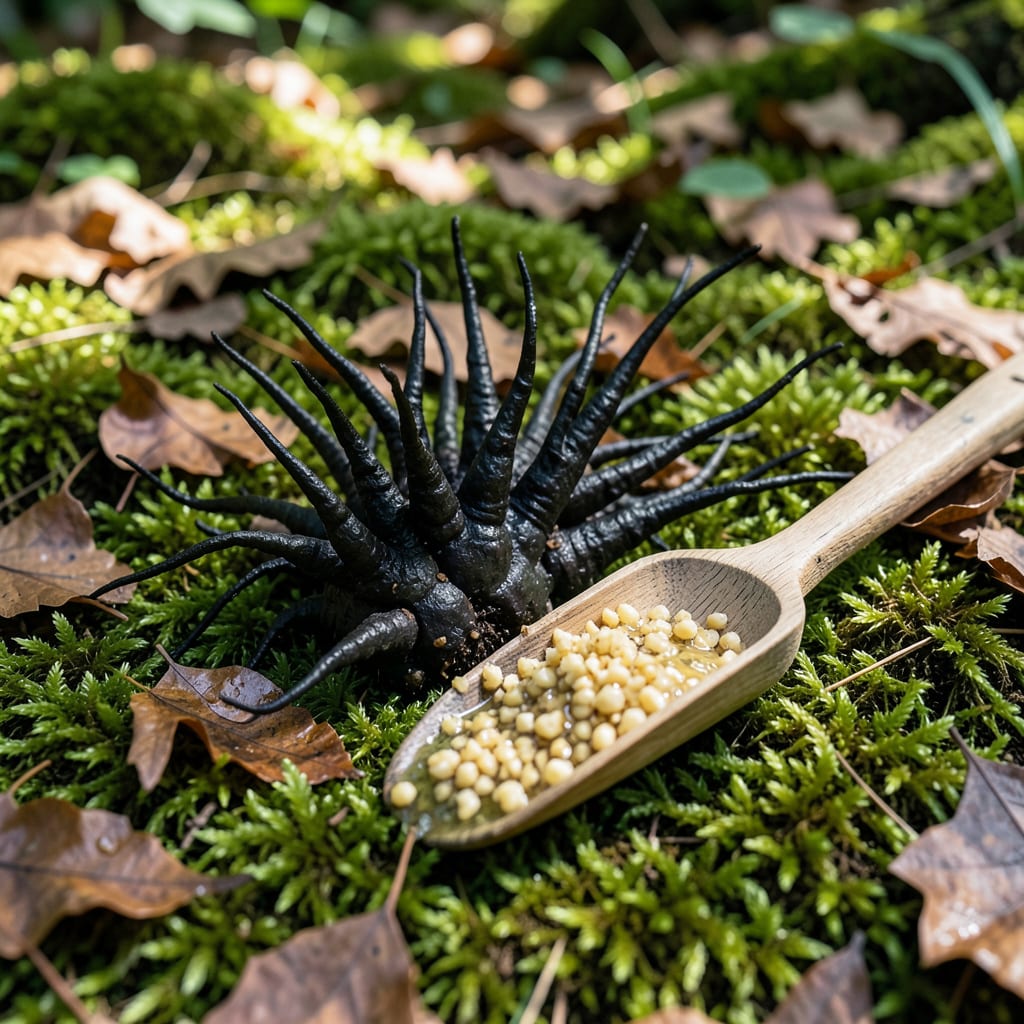
Those black, finger-like growths in your mulch aren’t some horror movie prop. Dead Man’s Fingers fungus appears overnight, turning a neat garden bed into something straight out of a fairy tale gone wrong.
I first spotted it after a week of rain, and my initial reaction was to grab the shovel and start digging. Turns out, that’s the worst thing you can do. This fungus thrives in moist, wood-rich environments, and disturbing it just spreads the spores.
You can remove it safely with a few simple tools and a little patience. The key is acting before it releases more spores, which happens fast in warm, damp conditions. A 30-minute effort now saves you a season of ugly surprises.
Prevention is even easier—just adjust how you manage moisture and organic matter. Here’s the step-by-step method that works every time.
Xylaria polymorpha, commonly known as dead man’s fingers fungus, appears in wooded areas for specific ecological and environmental reasons. Understanding these causes can help you address and prevent its growth in unwanted areas.
The primary cause of dead man’s fingers fungus is the presence of decaying hardwood, such as fallen trees, stumps, or buried wood. This fungus is a saprophyte, meaning it feeds on dead organic material. It thrives on moist, rotting wood, breaking it down as part of the natural decomposition process.
High moisture levels accelerate fungal growth. Dead man’s fingers often emerge in damp, shaded environments, such as forest floors or gardens with poor drainage. Prolonged rain, overwatering, or compacted soil can create the perfect conditions for Xylaria polymorpha to colonize wood.
This fungus typically fruits in late summer to autumn, when temperatures are mild (50–70°F / 10–21°C) and humidity is high. These conditions trigger the growth of its distinctive finger-like structures, which release spores to propagate further.
Leaving dead branches, leaf litter, or wood debris in your yard provides a food source for the fungus. Without proper cleanup, these materials retain moisture and attract saprophytic fungi like dead man’s fingers. Regularly removing decaying wood can significantly reduce its presence.
Dead man’s fingers fungus thrives in damp, shaded areas, but you can reclaim your garden with these targeted solutions. Address each cause directly for the best results.
Fungus loves soggy soil. Start by aerating compacted areas with a garden fork to let water drain properly. For persistent wet spots, mix in coarse sand or gravel to improve soil structure. If the issue is poor grading, consider installing a French drain or redirecting downspouts away from garden beds. Prevention tip: Water plants early in the day so surfaces dry by evening. 💡
Dead leaves, wood chips, and thick mulch create the perfect breeding ground. Rake up and remove all organic debris from the affected area. Replace old mulch with fresh, dry mulch (like cedar chips) and keep it 2–3 inches deep—never piled against plant stems. Prevention tip: Turn mulch monthly to disrupt fungus growth. ✨
Thick foliage traps moisture and blocks sunlight. Thin out overgrown plants to allow air to circulate, and trim low-hanging branches to let light reach the soil. For dense plantings, space them farther apart to reduce humidity. Prevention tip: Choose fungus-resistant plants for shady areas. 🎯
Put on gloves and dig out the fungus at its base, including surrounding soil. Do not compost it—seal it in a bag for trash pickup. Sanitize tools with a 10% bleach solution or rubbing alcohol to avoid spreading spores. For stubborn cases, apply a copper-based fungicide per label instructions. Prevention tip: Rotate crops annually to disrupt fungal cycles. 🌡️
It’s harmless to both plants and humans. This saprophytic fungus only breaks down dead wood, not living material. You can safely touch it, though gloves are recommended when removing it.
No, you must also remove the underlying wood debris. The fungus will regrow if decaying organic matter remains. Dig out at least 6 inches of soil around the area to be thorough.
Vinegar alone isn’t strong enough. For a natural approach, a 10% bleach solution or copper-based fungicide works better. Always apply in dry conditions for best results.
