
Beautiful Plants For Your Interior
Beautiful Plants For Your Interior
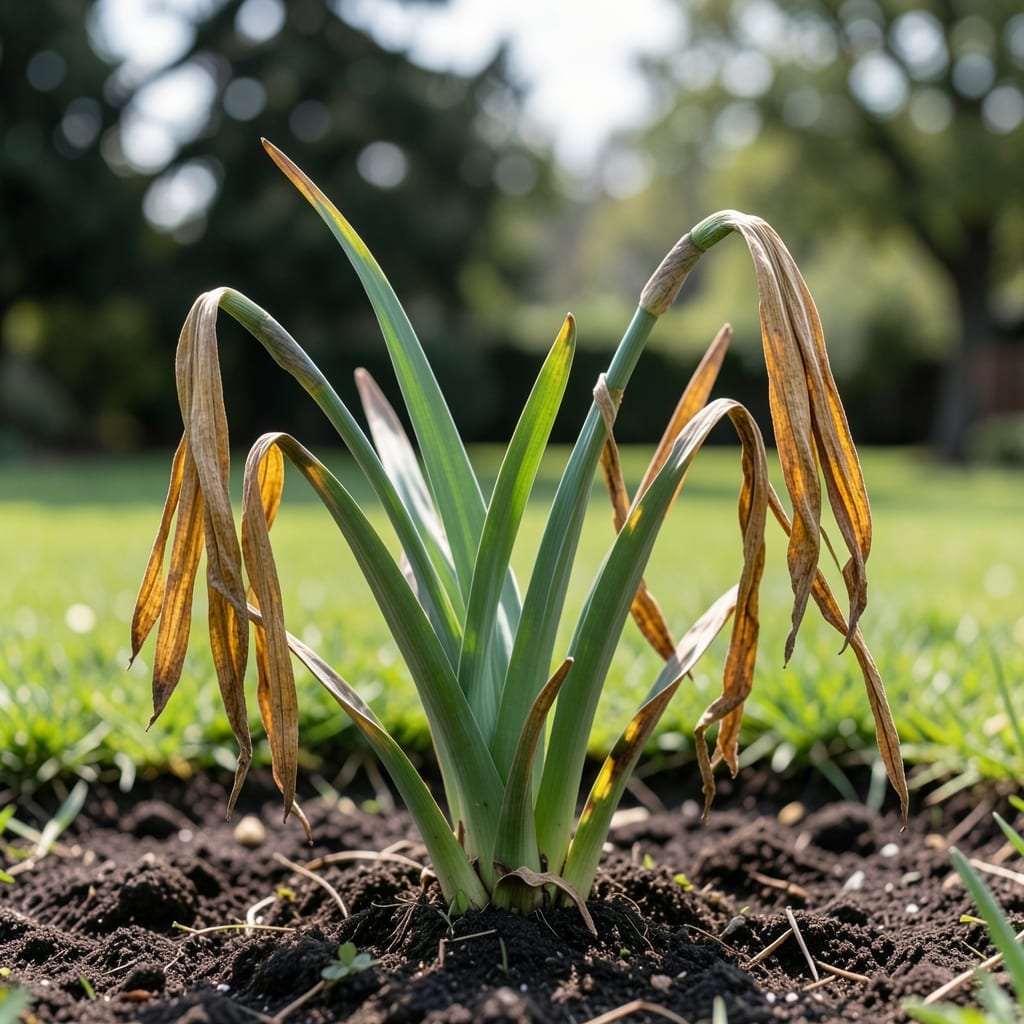
Those sad, yellowing daffodil leaves break my heart every spring. I used to think cutting them back early would tidy up the garden, but that just made things worse.
Turns out, those leaves are working overtime after blooming, feeding the bulb for next year’s show. Cut them too soon and you steal next season’s flowers. I learned this the hard way with three seasons of disappointing blooms.
Now I let them turn completely yellow before touching them. With the right after-care, including a little fertilizer and patience, the bulbs bounce back stronger. The difference is night and day.
Works for any daffodil variety, in any climate. Here’s how to keep them thriving year after year.
Dead or yellowing daffodil leaves often signal underlying issues that disrupt the plant’s health. Here are the most common causes, explained scientifically:
Daffodils require balanced nutrients, particularly nitrogen, phosphorus, and potassium. A deficiency in nitrogen causes leaves to turn yellow (chlorosis) as the plant struggles to produce chlorophyll. Phosphorus shortages lead to stunted growth and dark discoloration, while potassium deficits result in weak, yellowing foliage. Actionable fix: Test soil and amend with a 10-10-10 fertilizer or organic compost in early spring.
Excess moisture suffocates roots, preventing oxygen uptake and promoting fungal growth (e.g., Fusarium or Pythium). Waterlogged soil also leaches nutrients, accelerating leaf death. Actionable fix: Ensure beds have well-draining soil and water only when the top 1–2 inches are dry.
Extreme heat, frost, or sudden temperature swings disrupt cellular function. Late frosts damage emerging leaves, while heatwaves cause heat scorch, turning tips brown. Actionable fix: Mulch with straw to insulate roots and provide afternoon shade in hot climates.
Narcissus fly larvae bore into bulbs, while aphids and nematodes sap foliage nutrients. Fungal diseases like botrytis (gray mold) thrive in damp conditions, rotting leaves. Actionable fix: Remove infected plants, apply neem oil, or rotate planting sites to break pest cycles.
After blooming, daffodil leaves naturally yellow and die back as the bulb enters dormancy. This is normal—do not cut leaves until they turn brown (6+ weeks post-bloom), as they photosynthesize to fuel next year’s growth.
When your daffodils start showing yellowing or dead leaves, don’t panic—there are clear steps to nurse them back to health. Below are targeted solutions for common causes, along with prevention tips to keep your garden thriving.
Fix: Stop watering immediately and let the soil dry out. If the bulbs are waterlogged, gently dig them up, inspect for rot, and replant in well-draining soil. Add perlite or sand to improve drainage.
Prevention: Water only when the top inch of soil is dry. Plant daffodils in raised beds or containers if your garden has heavy clay soil. 💡Pro tip: Use a moisture meter to avoid guesswork.
Fix: Apply a balanced, slow-release fertilizer (10-10-10) around the base of the plant. For severe cases, use a liquid fertilizer for quicker absorption. Focus on potassium and phosphorus to support bulb health.
Prevention: Feed daffodils in early spring and again after flowering. Mix compost into the soil annually to replenish nutrients naturally.
Fix: If daffodils are in deep shade, relocate bulbs to a sunnier spot (at least 6 hours of sunlight daily). For potted plants, move them to a bright windowsill or balcony.
Prevention: Plant bulbs in a south-facing area or where they’ll get morning sun. Trim nearby shrubs or trees casting too much shade.
Fix: Remove affected leaves and treat with neem oil or a fungicide for fungal issues like basal rot. For pests like narcissus fly, dig up and destroy infested bulbs to prevent spread.
Prevention: Rotate planting locations yearly and avoid overcrowding. Clean up dead foliage promptly to reduce hiding spots for pests. ✨Bonus: Plant pest-repelling companions like marigolds nearby.
Fix: If leaves yellow after flowering, it’s often natural. Let them die back fully before trimming—this allows the bulb to store energy for next year. Trim only when leaves are brown and crispy.
Prevention: Avoid cutting leaves prematurely. Mark fading foliage with sticks to remind you to wait.
Wait until leaves turn completely yellow or brown, usually 6-8 weeks after blooming. Cutting too soon starves the bulb of energy for next year’s flowers.
Yes, soggy soil suffocates roots and promotes rot. Water only when the top 1-2 inches of soil are dry, and ensure good drainage.
Use a balanced 10-10-10 fertilizer in early spring and after flowering. Organic compost also boosts soil health naturally.
This natural dieback feeds the bulb for next season. Only trim when leaves are fully brown and crispy.