
Beautiful Plants For Your Interior
Beautiful Plants For Your Interior
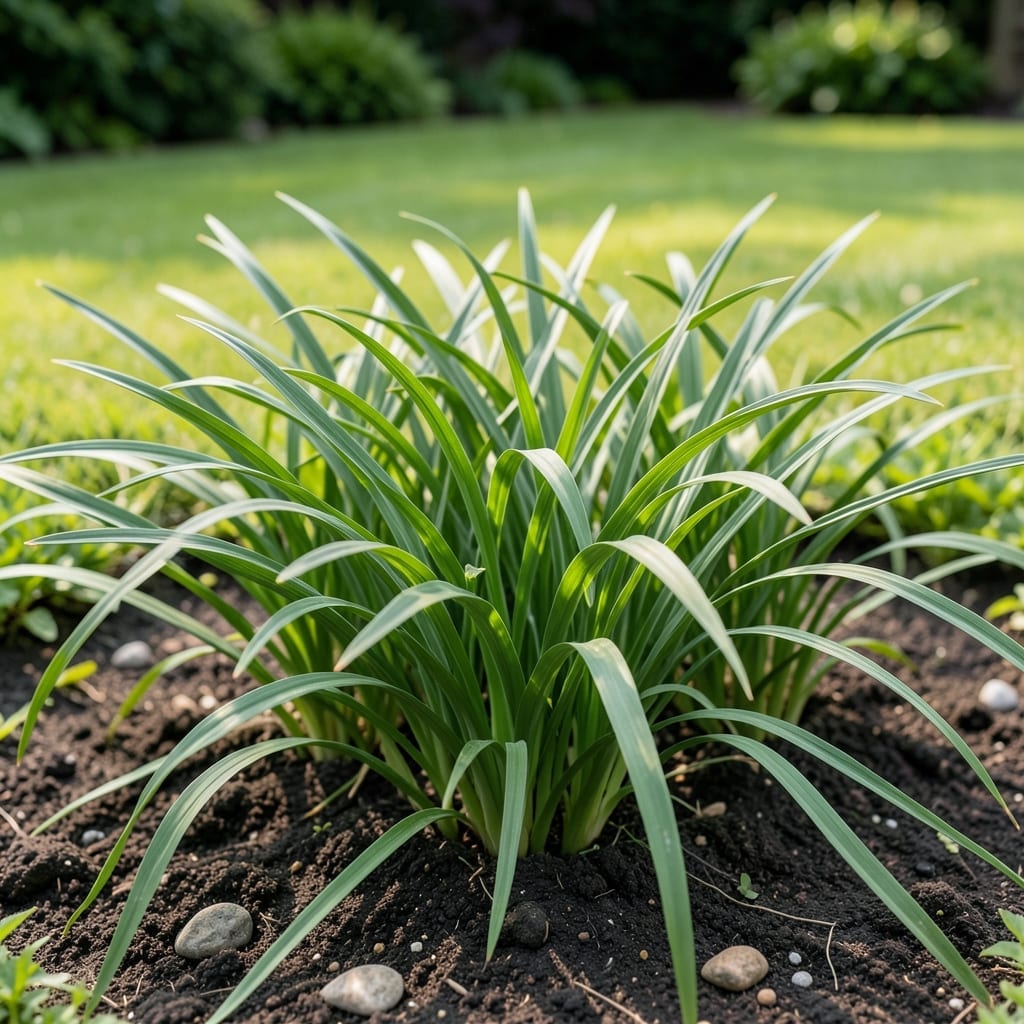
Nothing’s more frustrating than daylilies that refuse to bloom. I’ve watched healthy green foliage sit stubbornly flower-free for seasons, and it always comes down to one of three problems: not enough sun, poor soil, or overcrowded roots.
These plants need 6+ hours of direct sunlight daily—anything less and they’ll grow leaves but skip the flowers. Heavy or compacted soil chokes their roots, while old clumps get too crowded to produce blooms.
The fix is simple: more light, better drainage, or dividing those overgrown patches. I’ve rescued non-blooming daylilies in one season with just these adjustments.
Works for new plantings or established beds. Here’s how to diagnose and fix it for good.
Daylilies are tough plants, but even they can refuse to bloom if their needs aren’t met. Here’s a breakdown of the most common reasons your daylilies might be holding back their flowers:
Daylilies thrive in full sun (6+ hours of direct sunlight daily). Insufficient light disrupts photosynthesis, reducing the energy needed for flower production. If your plants are in shade, they’ll focus on foliage instead of blooms.
Too much water can rot the roots, while too little stresses the plant. Both extremes signal the daylily to prioritize survival over blooming. Aim for consistent moisture—about 1 inch of water per week, including rainfall.
Daylilies need balanced fertilization. Excess nitrogen (common in lawn fertilizers) promotes leafy growth at the expense of flowers. Use a low-nitrogen, high-phosphorus fertilizer (e.g., 5-10-10) to encourage blooming.
Young daylilies (1–2 years old) may not bloom as they establish roots. Patience is key—once mature, they’ll reward you with abundant flowers.
Harsh winters or late frosts can damage flower buds. Mulch around the base in fall to protect the crown and ensure next year’s blooms.
When clumps grow too large, competition for nutrients stifles blooming. Divide daylilies every 3–5 years to rejuvenate them.
If your daylilies aren’t blooming, don’t worry—there are practical fixes for every common issue. Below are targeted solutions to get those vibrant flowers back on track.
Daylilies need 6+ hours of sunlight daily. If they’re in shade, move them to a sunnier spot or trim nearby trees/shrubs blocking light. Prevention tip: 💡 Plant new daylilies in full sun from the start.
Use a balanced fertilizer (10-10-10) in early spring, then switch to a low-nitrogen, high-phosphorus mix (e.g., 5-10-10) before blooming season. Avoid over-fertilizing, which can promote leaves over flowers. Prevention tip: 🌿 Test soil annually and amend with compost.
Daylilies thrive on 1–1.5 inches of water weekly. If soil is soggy, improve drainage with organic matter. If it’s dry, water deeply at the base (not overhead) early in the day. Prevention tip: 💧 Use mulch to retain moisture and prevent extremes.
If clumps are older than 3–4 years, dig up and divide the roots in early spring or fall. Replant divisions 18–24 inches apart to reduce competition. Prevention tip: ✨ Divide every 3 years to maintain vigor.
In scorching climates, offer light shade during peak afternoon hours. Use shade cloth or plant near taller perennials. Prevention tip: 🌡️ Choose heat-tolerant daylily varieties like ‘Stella de Oro’.
With these adjustments, your daylilies should reward you with abundant blooms next season!
Daylilies require 6+ hours of direct sunlight daily for reliable blooming. Less than this and they’ll focus on foliage instead of flowers.
Divide in early spring or fall, every 3–5 years. This rejuvenates the plants and reduces competition for nutrients that can inhibit blooming.
Yes! Excess nitrogen promotes leafy growth at the expense of flowers. Use a low-nitrogen, high-phosphorus fertilizer to encourage blooming.
Plants under 1–2 years old focus on root establishment. Once mature, they’ll produce abundant flowers with proper care.