
Beautiful Plants For Your Interior
Beautiful Plants For Your Interior
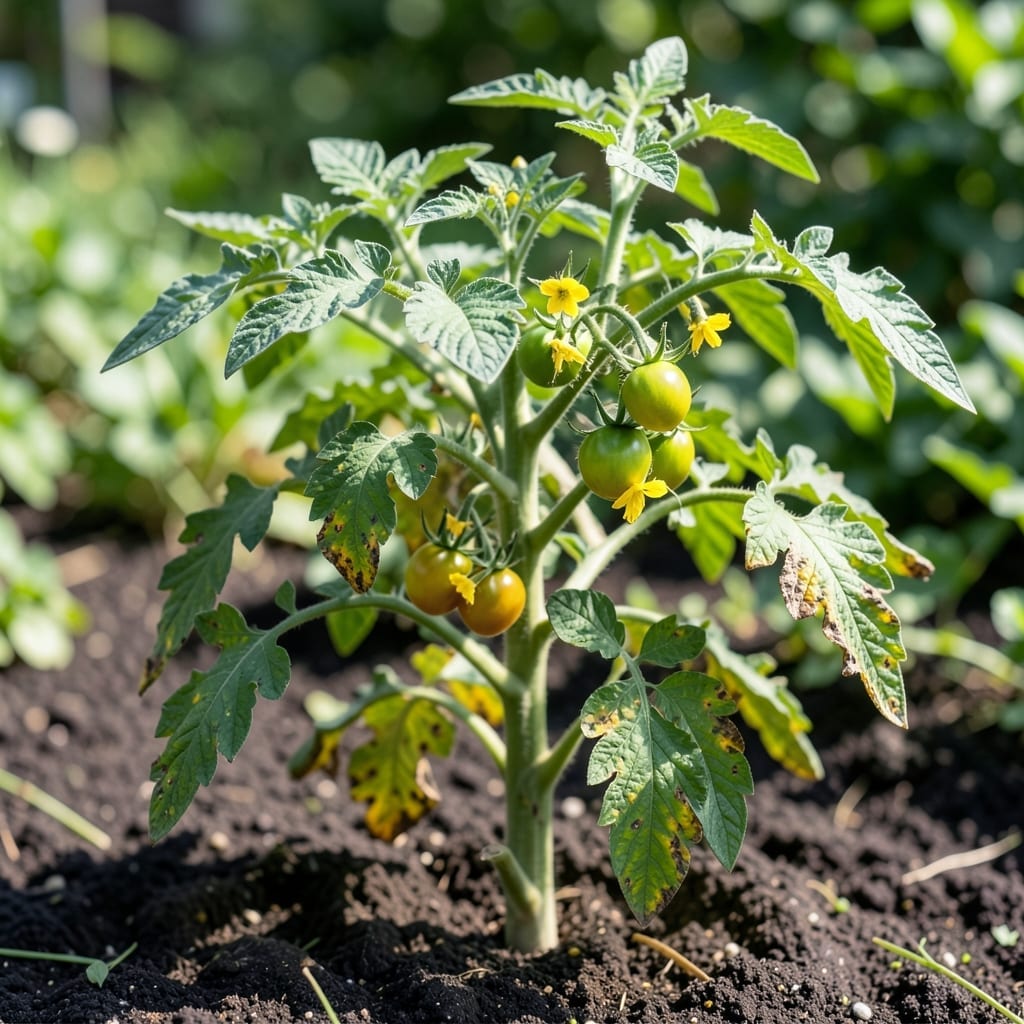
Those dark spots on your plant leaves aren’t just ugly—they’re a message. I’ve seen enough sickly foliage to know that brown patches, black speckles, or yellow halos each tell a different story about what’s wrong.
Fungal infections often start as tiny dots that spread, while pest damage leaves irregular marks. Nutrient issues show up as uniform discoloration. The key is matching the pattern to the problem before it takes over your garden.
With the right diagnosis, most issues clear up in 1-2 weeks using simple organic fixes. Neem oil, baking soda sprays, or adjusting your watering routine can work wonders.
Works for houseplants, vegetables, and ornamentals alike. Let’s figure out what your plants are trying to tell you.
Dark spots on foliage are your plant’s SOS signal. Below are the most common triggers, each with a clear scientific explanation and actionable insight.
Fungi like Alternaria, Cercospora, or Septoria thrive in damp, poorly ventilated conditions. They penetrate leaf tissue, disrupting cell walls and creating necrotic (dead) spots. These often start as small, water-soaked lesions that darken over time. Fix: Improve airflow, avoid overhead watering, and apply copper-based fungicides or neem oil preventatively.
Bacteria such as Xanthomonas or Pseudomonas enter through stomata or wounds, multiplying in the leaf’s apoplast. They release enzymes that break down plant cells, forming irregular, oily-looking dark spots with yellow halos. Fix: Remove infected leaves, sterilize pruning tools, and use bactericides like copper hydroxide. Avoid working with plants when they’re wet.
Sap-sucking pests like spider mites, aphids, or thrips pierce leaf cells, causing localized cell death. Their feeding also introduces pathogens. Spots may appear stippled or clustered along veins. Fix: Introduce beneficial insects (e.g., ladybugs) or apply insecticidal soap. Check leaf undersides weekly.
Extreme temperatures, sunburn, or chemical exposure (e.g., herbicide drift) can scorch leaf tissue, leading to dark, papery spots. High salinity or nutrient imbalances (e.g., calcium deficiency) also trigger necrosis. Fix: Provide shade cloth for sensitive plants, test soil pH, and flush excess salts with water.
Deficiencies in potassium, magnesium, or phosphorus disrupt cellular function, often manifesting as dark, interveinal spots. For example, potassium deficiency causes leaf tip burn and dark necrotic edges. Fix: Conduct a soil test and amend with organic fertilizers like compost or kelp meal.
Tackling dark spots on your plant leaves starts with identifying the cause and applying the right fix. Below are practical solutions mapped to common triggers, along with prevention tips to keep your greens thriving. 🌿
Spot infected leaves? Prune them immediately with sterilized shears to stop the spread. For fungal issues, spray a mix of 1 tsp baking soda + 1 quart water + a drop of dish soap weekly. For bacteria, use copper-based fungicides or neem oil. Prevention tip: 💡 Avoid overhead watering and improve air circulation around plants.
Pests like aphids or spider mites leave behind dark, sticky spots. Blast them off with water or introduce ladybugs or lacewings as natural predators. For stubborn cases, apply insecticidal soap or neem oil every 3–5 days. Prevention tip: ✨ Inspect new plants before bringing them home and keep your garden debris-free.
Soggy soil leads to root rot, which can cause dark, mushy spots on leaves. Let the top inch of soil dry before watering again, and ensure pots have drainage holes. For affected plants, repot in fresh, well-draining soil. Prevention tip: 🌡️ Use a moisture meter to avoid guesswork.
If leaves develop dark, crispy spots after intense sun exposure, move the plant to a shadier spot or use a shade cloth. Gradually acclimate plants to brighter light to prevent shock. Prevention tip: 🎯 Rotate potted plants regularly for even light distribution.
Dark spots paired with yellowing may signal a lack of nutrients like magnesium or potassium. Use a balanced, water-soluble fertilizer and follow the package instructions. For organic options, try compost tea or banana peel fertilizer. Prevention tip: 📊 Test your soil annually to catch deficiencies early.
Consistency is key—monitor your plants regularly and act at the first sign of trouble for the best results!
Fungal and bacterial spots can spread between plants. Isolate affected ones and avoid touching healthy foliage after handling infected leaves.
Only if the cause is environmental or nutritional. Discard leaves with fungal, bacterial, or pest-related spots to avoid potential contaminants.
With proper treatment, new growth should appear spot-free in 1-2 weeks. Severely damaged leaves won’t heal but new ones will grow healthy.
Lower leaves often get less light and airflow, making them more susceptible to fungal growth and pest infestations. Check these first during inspections.