
Beautiful Plants For Your Interior
Beautiful Plants For Your Interior
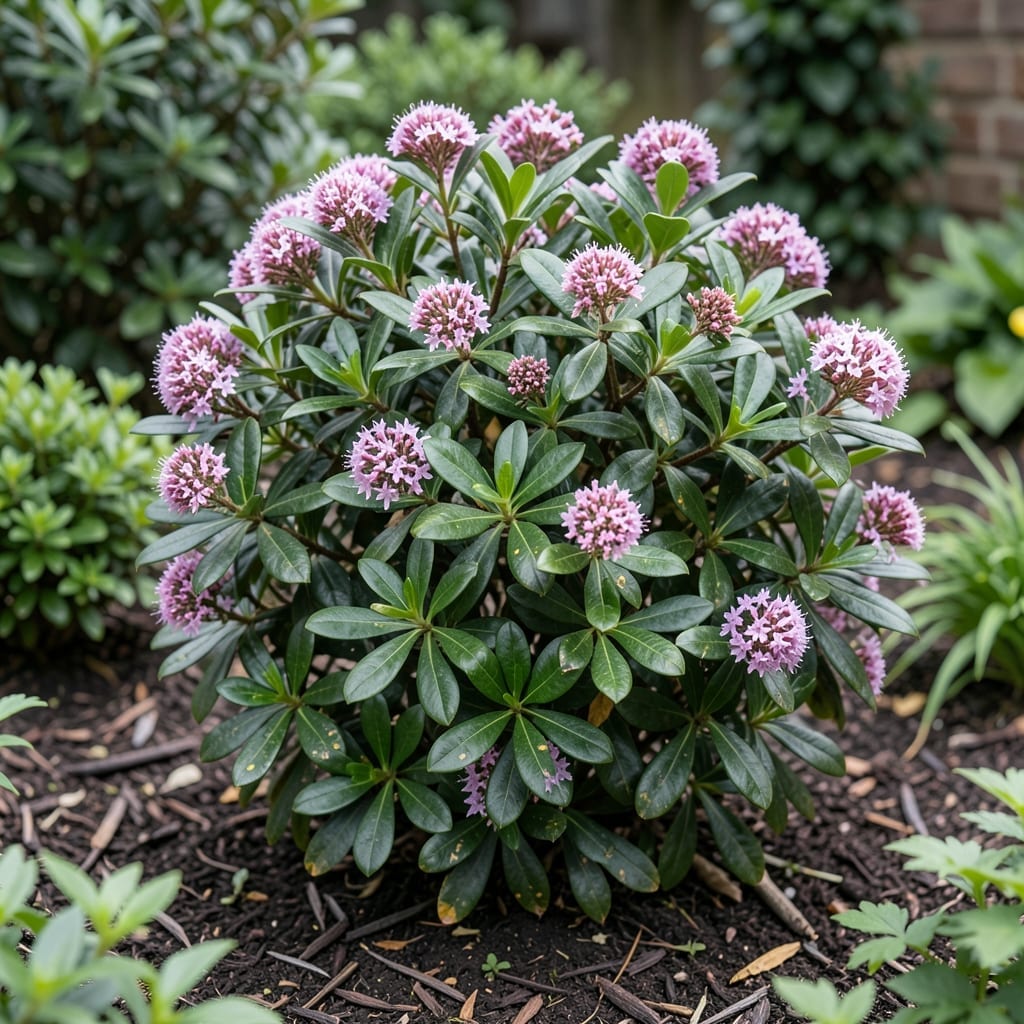
Yellow leaves on daphne always mean one thing: your plant is trying to tell you something. I’ve seen this happen with my own shrubs, and the fix is usually simpler than you’d think.
Most times it’s overwatering or poor drainage causing the roots to suffocate. Other culprits include nutrient deficiencies or even too much direct sunlight. Each issue has a straightforward solution once you identify it.
With a few adjustments to your care routine, you can restore that vibrant green foliage in 2-3 weeks. The key is acting fast before the problem spreads.
Prevention comes down to consistent watering, well-draining soil, and the right amount of shade. Keep these in check, and your daphne will stay lush and healthy.
Understanding why your daphne’s leaves turn yellow starts with identifying the root causes. Here are the most common culprits, explained scientifically:
Daphne plants hate soggy roots. Overwatering or compacted soil suffocates the roots, reducing oxygen uptake and leading to root rot. This stress disrupts chlorophyll production, causing leaves to yellow (a condition called chlorosis). Check soil moisture before watering—only water when the top inch feels dry.
Yellowing often signals a lack of iron or magnesium. Daphne thrives in acidic soil (pH 5.5–6.5). If the pH is too high, these nutrients become unavailable. Test your soil: iron deficiency typically yellows young leaves first, while magnesium affects older leaves. Amend with chelated iron or Epsom salts as needed.
Too much direct sun can scorch leaves, while too little light starves the plant of energy for photosynthesis. Daphne prefers partial shade (4–6 hours of morning light). If leaves yellow unevenly or develop brown edges, adjust their exposure to dappled light.
Sap-sucking pests like aphids or spider mites drain nutrients, weakening the plant. Inspect leaf undersides for webs or sticky residue (honeydew). Treat with neem oil or insecticidal soap to restore leaf health.
Daphne is sensitive to sudden temperature swings. Heat stress or cold drafts disrupt cellular function, leading to yellowing. Keep plants in stable environments (60–75°F) and shield them from harsh winds or frost.
If your daphne’s leaves are turning yellow, don’t panic—most causes are fixable with a few simple adjustments. Below are targeted solutions for the most common issues, plus tips to keep your plant thriving long-term.
Fix: Check the soil—if it’s soggy, stop watering immediately. Repot the plant in well-draining soil (mix in perlite or sand) and ensure the pot has drainage holes. Trim any black, mushy roots to prevent rot.
Prevention: Water only when the top 1–2 inches of soil feel dry. Use a moisture meter for precision. 💡 Pro tip: Daphne prefers slightly moist but never waterlogged soil.
Fix: Yellowing between leaf veins often signals iron or magnesium deficiency. Use a chelated iron supplement or Epsom salts (1 tbsp per gallon of water) for a quick boost. For general nutrient lack, apply a balanced, acid-loving plant fertilizer (e.g., for azaleas).
Prevention: Feed daphne with a slow-release fertilizer in early spring. Avoid lime or alkaline additives—this plant thrives in slightly acidic soil (pH 5.5–6.5).
Fix: Move potted daphne to bright, indirect light (east or north-facing windows are ideal). If planted outdoors, provide afternoon shade in hot climates. Yellow, scorched leaves mean too much sun; pale, weak growth suggests insufficient light.
Prevention: Acclimate daphne gradually to new light conditions to avoid shock. In gardens, pair it with taller plants for dappled shade.
Fix: Inspect leaves for aphids, scale, or spider mites—wipe them off with a damp cloth or use neem oil spray. For fungal issues (e.g., leaf spot), remove affected foliage and improve air circulation. Apply a copper-based fungicide if needed.
Prevention: Keep the area clean, avoid overhead watering, and space plants to reduce humidity. 🌡️ Pro tip: Daphne hates wet foliage, so water at the base.
Water when the top 1-2 inches of soil feels dry. Daphne prefers slightly moist soil but can’t tolerate soggy conditions. Use a moisture meter for accuracy.
Use well-draining, slightly acidic soil with a pH of 5.5-6.5. Mix in perlite or sand to improve drainage. Avoid heavy clay soils that retain too much moisture.
Unfortunately, once leaves turn yellow they won’t regain their green color. Focus on fixing the underlying issue to prevent new leaves from yellowing. Remove severely yellowed leaves to redirect energy.
If leaves appear scorched or develop brown edges, it’s likely getting too much direct sunlight. Move to a spot with partial shade or dappled light, especially in hot climates.