
Beautiful Plants For Your Interior
Beautiful Plants For Your Interior
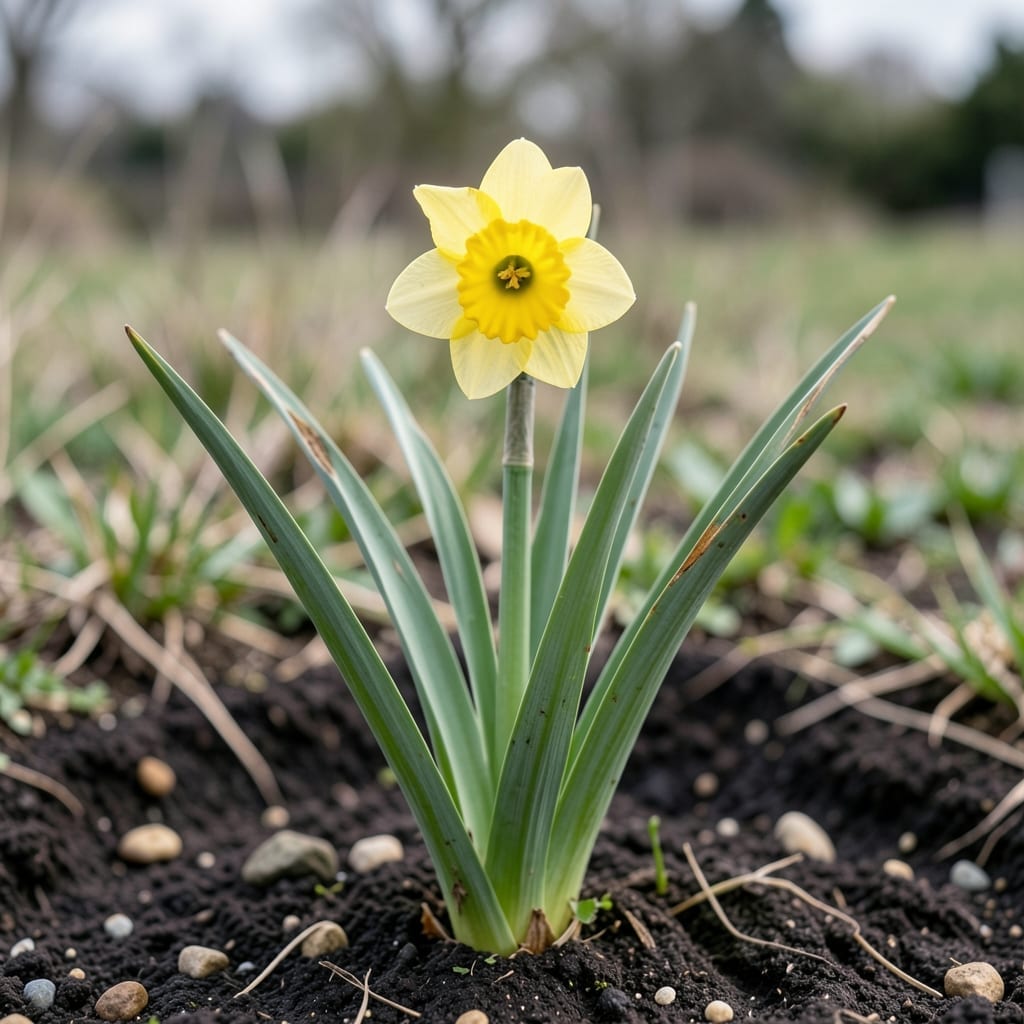
Yellow daffodil leaves don’t always mean disaster. I’ve seen this every spring—after blooming, the foliage naturally fades as the bulb stores energy for next year.
But if it’s happening too early or looks sickly, it’s usually overwatering or a nutrient issue. Most gardeners water too much, not realizing daffodils prefer well-drained soil. A simple soil test can reveal if it’s nitrogen, potassium, or pH throwing things off.
Recovery starts with cutting back on water and adding a balanced fertilizer. Within 2-3 weeks, you’ll see greener, healthier leaves if the bulb’s still strong. Prune only the dead parts—never all at once.
Prevention is easier than fixing. Plant in the right spot, avoid soggy soil, and let the leaves yellow naturally after flowering. This sets up next year’s blooms perfectly.
Daffodil leaves turning yellow can signal several underlying issues, each with distinct triggers. Here’s what’s likely happening:
A lack of nitrogen or potassium often causes yellowing, starting at the tips or edges. Nitrogen supports leaf growth, while potassium aids overall plant health. Test your soil—daffodils thrive in slightly acidic to neutral pH (6.0–7.0). Amend with compost or a balanced fertilizer if levels are low.
Soggy soil suffocates roots, blocking nutrient uptake. Daffodils prefer well-draining soil; waterlogged conditions lead to root rot, which manifests as yellow, wilting leaves. Ensure pots have drainage holes, and avoid heavy clay soils.
Too much direct sun can scorch leaves, while too little weakens photosynthesis. Daffodils need full sun to partial shade. If yellowing appears with brown patches, consider relocating plants to a spot with dappled sunlight.
Late frosts or sudden heatwaves stress daffodils, triggering leaf yellowing. Mulch around bulbs to insulate roots, and avoid planting in areas prone to temperature swings.
Narcissus fly larvae or fungal infections (like botrytis) can cause yellowing. Inspect bulbs for pests before planting, and remove infected foliage promptly to prevent spread.
Here’s how to tackle each common cause of yellowing daffodil leaves and restore your plants to vibrant health. Follow these targeted fixes and prevention tips to keep your garden thriving.
If your daffodils lack nitrogen or potassium, apply a balanced bulb fertilizer (10-10-10) in early spring. Work it into the soil around the base, avoiding direct contact with leaves. For a quick boost, use a liquid fertilizer every 2–3 weeks during growth.
Prevention: Test soil annually and amend with compost before planting. 💡 Pro tip: Avoid high-nitrogen fertilizers late in the season—it promotes leafy growth over blooms.
Yellow leaves often signal soggy roots. Stop watering immediately and let the soil dry out. Improve drainage by mixing in sand or perlite. If the bulb is rotting, dig it up, trim affected areas, and replant in fresh, well-draining soil.
Prevention: Water only when the top inch of soil is dry. Use mulch to retain moisture without waterlogging. 🌧️ Watch out: Daffodils need less water after blooming as they enter dormancy.
Move potted daffodils to a sunnier spot (6+ hours of light daily). For in-ground plants, trim back nearby shrubs or trees casting shade. If relocating isn’t possible, choose a sunnier variety like ‘Tête-à-Tête’ for next season.
Prevention: Plant bulbs in full-sun areas from the start. Rotate pots regularly for even exposure. ✨ Bright idea: South-facing spots are ideal in most climates.
For narcissus fly or bulb mite infestations, remove affected bulbs and destroy them (do not compost). Spray healthy plants with neem oil weekly. For fungal issues (e.g., basal rot), apply a copper-based fungicide and improve airflow around plants.
Prevention: Inspect bulbs before planting, and soak them in hot water (110°F) for 30 minutes to kill pests. Store bulbs in a cool, dry place. 🛡️ Defense tip: Crop rotation prevents soil-borne diseases.
Trim blackened or mushy leaves with sterilized shears. If frost is forecasted, cover plants with frost cloth or a thick layer of mulch overnight. Avoid plastic covers, as they trap cold air.
Prevention: Plant daffodils in sheltered spots or delay planting until after the last frost. In cold climates, add extra mulch in late fall. ❄️ Winter hack: Evergreen boughs make great natural insulation.
No, wait until they turn completely brown. Yellow leaves still provide energy to the bulb for next year’s blooms. Removing them too soon weakens the plant.
Yes, too much fertilizer—especially nitrogen—can burn roots and turn leaves yellow. Stick to balanced 10-10-10 and follow package instructions.
Natural yellowing happens 6-8 weeks after blooming. If leaves turn yellow earlier or look sickly, investigate water, soil, or pests.
Not usually. Once leaves yellow due to damage or disease, they won’t recover. Focus on fixing the root cause to prevent new leaves from yellowing.