
Beautiful Plants For Your Interior
Beautiful Plants For Your Interior
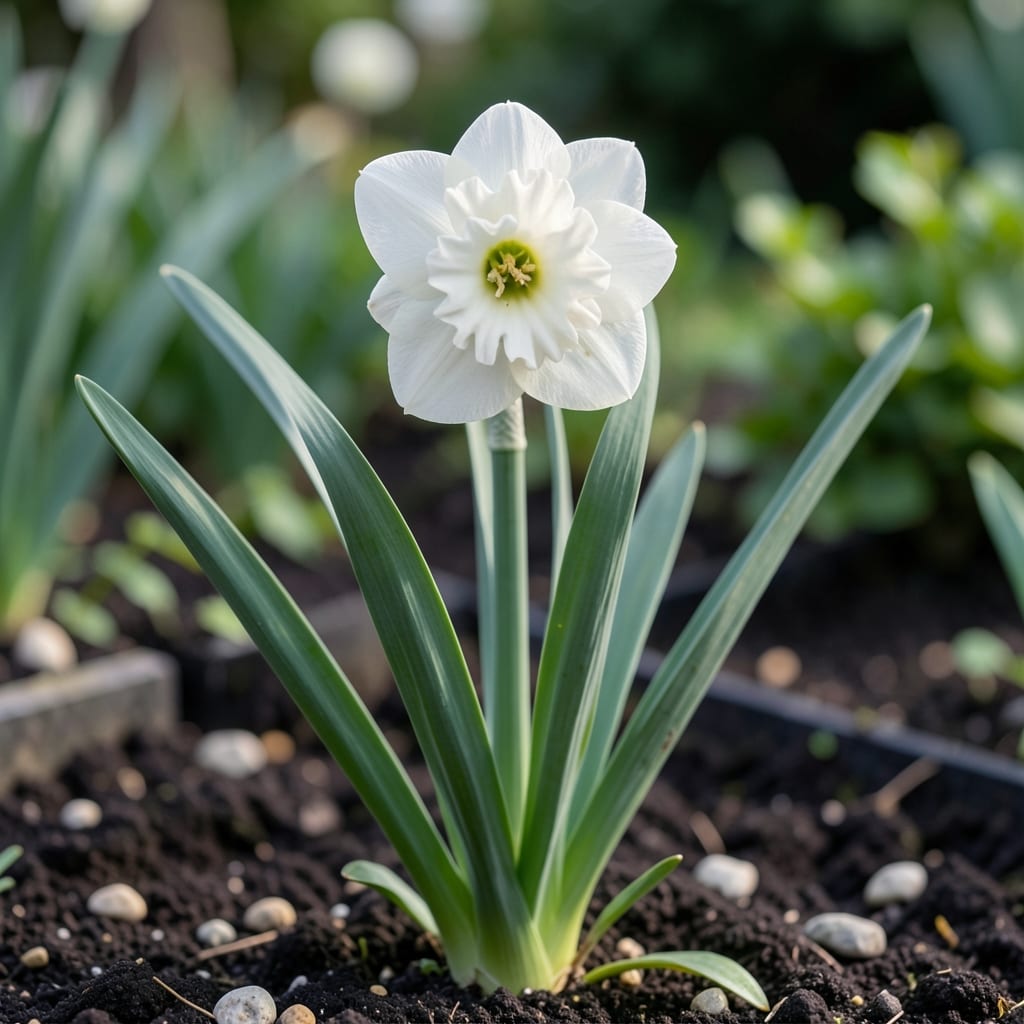
White Explosion daffodils transformed my spring garden from nice to breathtaking. These crisp white blooms with yellow centers pop against the brown March earth like nature’s own fireworks.
Plant the bulbs in fall, 6 inches deep in well-draining soil. They’ll return bigger and better each year with almost no effort from you.
📚 In This Guide
Here’s the method I use to grow these elegant blooms with reliable spring color year after year.
Select a spot with full sun to partial shade, as these bulbs thrive in areas that receive at least 6 hours of sunlight daily. I’ve found they tolerate light shade, especially in hotter climates, but too much shade leads to weak, floppy stems and fewer blooms.
Ensure the soil is well-draining—soggy conditions cause bulbs to rot. If your soil is heavy clay, amend it with compost or plant in raised beds. A slight slope helps prevent water from pooling around the bulbs, which is critical for their longevity.
Plant bulbs in the fall, about 2-4 weeks before the first hard frost, when soil temperatures drop below 60°F. This gives them time to establish roots before winter. Dig holes 6-8 inches deep—roughly three times the height of the bulb—and space them 4-6 inches apart.
Place the bulb pointy-side up; if you’re unsure, plant it sideways. The shoot will find its way to the surface. Backfill with soil and water thoroughly to settle the earth and eliminate air pockets, which can dry out the roots.
After planting, water the bulbs once a week if rainfall is less than 1 inch per week. Keep the soil evenly moist but not waterlogged during the fall rooting period. Once the ground freezes, watering is no longer necessary until spring.
Apply a 2-3 inch layer of mulch (straw or shredded leaves work well) to insulate the soil and retain moisture. This also suppresses weeds that compete with bulbs for nutrients. Remove mulch gradually in early spring as shoots emerge to prevent smothering new growth.
In early spring, as shoots appear, apply a balanced 10-10-10 fertilizer or a bulb-specific formula to encourage strong growth. I sprinkle it around the base of the plants and water it in, avoiding direct contact with foliage to prevent burning.
After flowering, do not cut back the foliage until it turns yellow and wilts, usually 6-8 weeks after blooming. This allows the plant to photosynthesize and store energy in the bulb for next year’s flowers. You can deadhead spent blooms to redirect energy, but leave the stems and leaves intact.
Every 3-5 years, bulbs may become overcrowded, leading to fewer and smaller blooms. Dig them up after the foliage dies back, typically in early summer. Gently separate the bulbs, discarding any that are soft, moldy, or damaged.
Replant the healthy bulbs immediately at the same depth and spacing, or store them in a cool, dry place until fall planting. This rejuvenates the bed and ensures consistent, vibrant blooms for years to come.
Here’s what I’ve learned through years of trial and error with these bulbs.
The Sunlight Factor: Those 6 hours of sunlight daily in Step 1 are non-negotiable for strong stems and abundant blooms. I’ve tested these in full shade, and the difference is striking—floppy stems and sparse flowers. If your garden has hot afternoons, morning sun with afternoon shade works beautifully.
Depth Precision: In Step 2, planting at 6-8 inches deep might seem excessive, but it protects bulbs from freeze-thaw cycles. I use a bulb planter to ensure consistent depth. If you’re unsure about orientation, planting sideways actually works—the bulb will right itself.
Moisture Balance: The 1 inch per week watering guideline in Step 3 is your sweet spot. I check soil moisture by sticking my finger 2 inches down—if it’s dry, it’s time to water. Overwatering is just as dangerous as drought; soggy soil causes bulbs to rot before they even establish.
Post-Bloom Patience: Those 6-8 weeks of foliage waiting in Step 4 feel like forever, but they’re critical. The leaves are solar panels, converting sunlight into energy for next year’s show. I mark my calendar after blooming so I don’t accidentally trim too soon.
Water bulbs moderately after planting to help roots establish. Once growth appears, keep soil moist but not soggy. Reduce watering after blooms fade and foliage yellows.
Plant bulbs in early fall, 2-4 weeks before the first hard frost. This allows roots to develop before winter dormancy, ensuring vibrant spring blooms.
Try ‘Ice Follies’ or ‘Thalia’ for similar white, fragrant blooms. Both are classic daffodils with a clean, elegant look and comparable care needs.
Common causes include planting too shallow, poor drainage, or insufficient sunlight. Ensure bulbs are 6 inches deep in well-draining soil and receive full to partial sun.
Yes! Like most daffodils, White Explosion contains toxic alkaloids that deter deer and rodents, making them a low-maintenance choice for wildlife-prone gardens.