
Beautiful Plants For Your Interior
Beautiful Plants For Your Interior
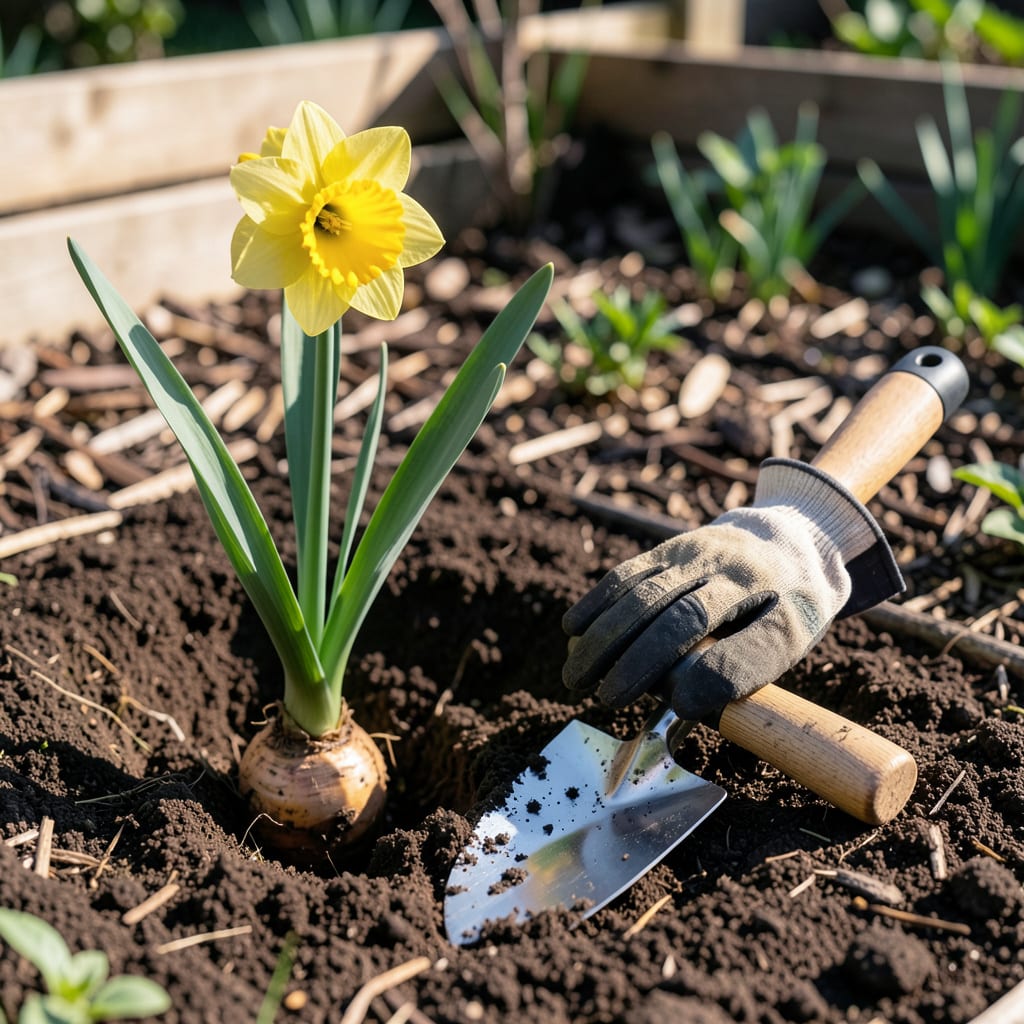
Timing your 🌼 Daffodil bulbs just right in Zone 9 can feel like solving a puzzle—too early and they might sprout prematurely, too late and you’ll miss those cheerful spring blooms. The key? Working with our mild winters, not against them.
I’ve tested different planting windows in Zone 9, and what I’ve learned will save you guesswork. We’ll cover the exact months to plant, how to prep your soil for success, and why pre-chilling bulbs might be your game-changer. Let’s get those golden blooms ready to shine.
If you’re gardening in Zone 9, forget the “plant in fall” rule you’ve heard for cooler climates. Our mild winters mean daffodil bulbs need a different approach. The key is waiting until soil temperatures drop below 60°F, which usually happens from late November to early January. 🌼
Unlike northern gardeners, we don’t rush to plant in September or October. In Zone 9, bulbs planted too early may sprout prematurely, only to be zapped by a rare cold snap. Instead, aim for 6-8 weeks before your last frost date—typically mid-December to early January for most of Zone 9. ✂️
| Stage | Action | Zone 9 Timing |
|---|---|---|
| Pre-Chill Bulbs | Store bulbs in fridge for 6-8 weeks | October – November |
| Plant Bulbs | Soil temp below 60°F | Late November – Early January |
| Water After Planting | Deep watering to settle soil | Immediately after planting |
| Mulch Lightly | 1-2 inches of mulch | After planting |
| First Blooms | Expect vibrant flowers | February – April |
Pre-chilling mimics winter for better blooms in warm climates.
Coastal areas of Zone 9 (like San Diego or Orlando) can plant closer to January, while inland regions (such as Phoenix or Tucson) should target late November to early December. Use a soil thermometer to check temps—it’s more reliable than calendar dates. 🌡️
If you’re worried about bulbs not getting enough chill, opt for pre-chilled daffodil bulbs from nurseries. These have already undergone artificial cooling and are ready to plant. Varieties like ‘Tête-à-Tête’ and ‘Ice Follies’ are especially forgiving in Zone 9’s heat. 🌱
For container planting, use well-draining pots at least 12 inches deep. This gives you more control over soil temps and moisture. Place pots in a cool, shaded spot for a few weeks after planting to encourage root growth before moving them to sunnier locations. ☀️
Avoid planting in low-lying areas where water pools—daffodils hate soggy feet. If your soil is heavy clay, amend it with compost or sand to improve drainage. A quick test: Dig a 12-inch hole, fill it with water, and see how long it takes to drain. If it’s still wet after 4 hours, your soil needs help. 💧
After planting, water deeply once, then hold off until you see green shoots in late winter. Overwatering now can rot bulbs. Mulch with straw or shredded leaves to keep soil temps steady, but avoid thick layers—Zone 9 doesn’t need heavy winter protection. 🪴
One common mistake? Planting too shallow. In Zone 9, aim for 6 inches deep (about 3x the bulb’s height). This extra depth helps bulbs stay cool as temps rise. Space bulbs 4-6 inches apart for a full, lush display. If you’re naturalizing, scatter them randomly for a meadow-like effect. 🌿
Finally, resist the urge to cut back foliage after blooming. Let it die back naturally—this feeds the bulb for next year’s flowers. In Zone 9, foliage may persist longer due to warmth, but don’t trim until it’s completely yellow and wilted. This patience pays off with bigger, brighter blooms next season! 🌼
Planting daffodil bulbs in Zone 9 isn’t just about timing—it’s about giving them the right start. I’ve found that site selection and soil prep make all the difference. Start by choosing a spot with full sun to partial shade, especially in warmer inland areas. 🌞
Before digging, test your soil’s drainage. Daffodils despise soggy roots, so if your soil holds water, mix in compost or coarse sand. A quick fix? Raise your beds by 6-8 inches. This improves drainage and keeps bulbs cooler in our warm winters. 🌱
Tip: Plant in clusters of 5-7 bulbs for a bold, natural look.
In Zone 9, I always recommend planting bulbs 6 inches deep—deeper than the usual 3x bulb height rule. This extra depth protects them from our occasional heat spikes. For container planting, use pots at least 12 inches deep and move them to a cooler spot for a few weeks post-planting. 🪴
After planting, resist the urge to water frequently. Daffodils need moisture to establish roots, but soggy soil causes rot. Water once deeply, then hold off until you see green shoots in late winter. Mulch helps retain moisture, but keep it light—Zone 9 doesn’t need heavy winter protection. 💧
Avoid high-nitrogen fertilizers at planting time. Instead, use a balanced 10-10-10 or low-nitrogen 5-10-10 to encourage roots, not foliage. Sprinkle 1 tbsp per bulb in the hole before planting, then water it in. Over-fertilizing now leads to weak stems and fewer blooms. ✂️
If you’re naturalizing daffodils in lawns or meadows, scatter bulbs randomly and plant where they land. This creates a drift effect that looks effortlessly wild. Just mark the spots with small flags so you don’t accidentally dig them up later! For cut flowers, plant extra bulbs in a dedicated cutting garden. 🌼
Finally, label your bulbs! It’s easy to forget what’s planted where, especially if you’re mixing varieties. Use weatherproof plant tags or a garden map. Come spring, you’ll thank yourself when those golden blooms emerge exactly where you planned. 📌
Not all daffodils can handle Zone 9’s warmth, but these five varieties laugh in the face of heat. I’ve tested them in my own garden, and they deliver reliable blooms year after year. The secret? Choosing cultivars bred for warmer climates. 🌼
For early blooms, ‘Tête-à-Tête’ steals the show with its cheerful yellow flowers. It’s compact (just 6-8 inches tall), perfect for borders or containers. If you want drama, ‘Ice Follies’ offers large white-and-yellow blooms that naturalize beautifully over time. 🌿
| Variety | Height | Bloom Time | Heat Tolerance | Best For |
|---|---|---|---|---|
| Tête-à-Tête | 6-8″ | Early Spring | ⭐⭐⭐⭐⭐ | Containers, borders |
| Ice Follies | 18-20″ | Mid-Spring | ⭐⭐⭐⭐ | Naturalizing, cut flowers |
| Carlton | 14-16″ | Mid-Spring | ⭐⭐⭐⭐ | Mass plantings |
| Fortune | 16-18″ | Late Spring | ⭐⭐⭐⭐ | Fragrant, long-lasting |
| Geranium | 16-18″ | Mid-Spring | ⭐⭐⭐⭐⭐ | Wild gardens, pollinators |
All varieties listed are pre-chilled or naturally heat-tolerant.
For late-season color, ‘Fortune’ offers fragrant, golden-yellow blooms that last weeks. Its sturdy stems make it ideal for cut arrangements. If you love wildflower looks, ‘Geranium’ (with its orange-and-pink cups) attracts pollinators and naturalizes easily. ✂️
‘Carlton’ is my go-to for large drifts. Its bright yellow blooms multiply yearly with minimal care. Plant in groups of 7-10 bulbs for maximum impact. For containers, stick with ‘Tête-à-Tête’—its petite size thrives in pots, and you can move it to cooler spots during heatwaves. 🪴
All these varieties benefit from pre-chilling if you’re planting in warmer microclimates. Store bulbs in the fridge for 6-8 weeks before planting, or buy pre-chilled from reputable nurseries. Remember: In Zone 9, bigger bulbs (12/14 cm or larger) perform better—they store more energy for our long growing season. 🌡️
For the longest bloom season, mix early (‘Tête-à-Tête’), mid (‘Carlton’), and late (‘Fortune’) varieties. Space plantings two weeks apart to extend your display. And don’t forget: All these daffodils are deer-resistant, making them perfect for Zone 9 gardens where wildlife roams. 🌿
Daffodils require 12-16 weeks of cold to trigger blooming. In Zone 9’s mild winters, natural chill hours are often insufficient. Pre-chilling in the fridge for 6-8 weeks mimics winter, ensuring vibrant spring flowers.
Use pots at least 12 inches deep with drainage holes. Plant bulbs 6 inches down and move containers to a cooler spot (like a garage) for a few weeks post-planting. This helps roots establish before warmer weather.
Planting before soil cools below 60°F risks premature sprouting. Early shoots may get damaged by rare cold snaps or struggle with inconsistent winter temps. Wait until late November–January for best results.
Use a soil thermometer—insert it 4-6 inches deep where you’ll plant. If readings stay above 60°F, wait a week and check again. Coastal areas often cool later than inland regions.
A light application of 5-10-10 fertilizer (1 tbsp per bulb) helps roots develop. Avoid high-nitrogen mixes—they promote foliage over flowers. Water after fertilizing to prevent root burn.
