
Beautiful Plants For Your Interior
Beautiful Plants For Your Interior
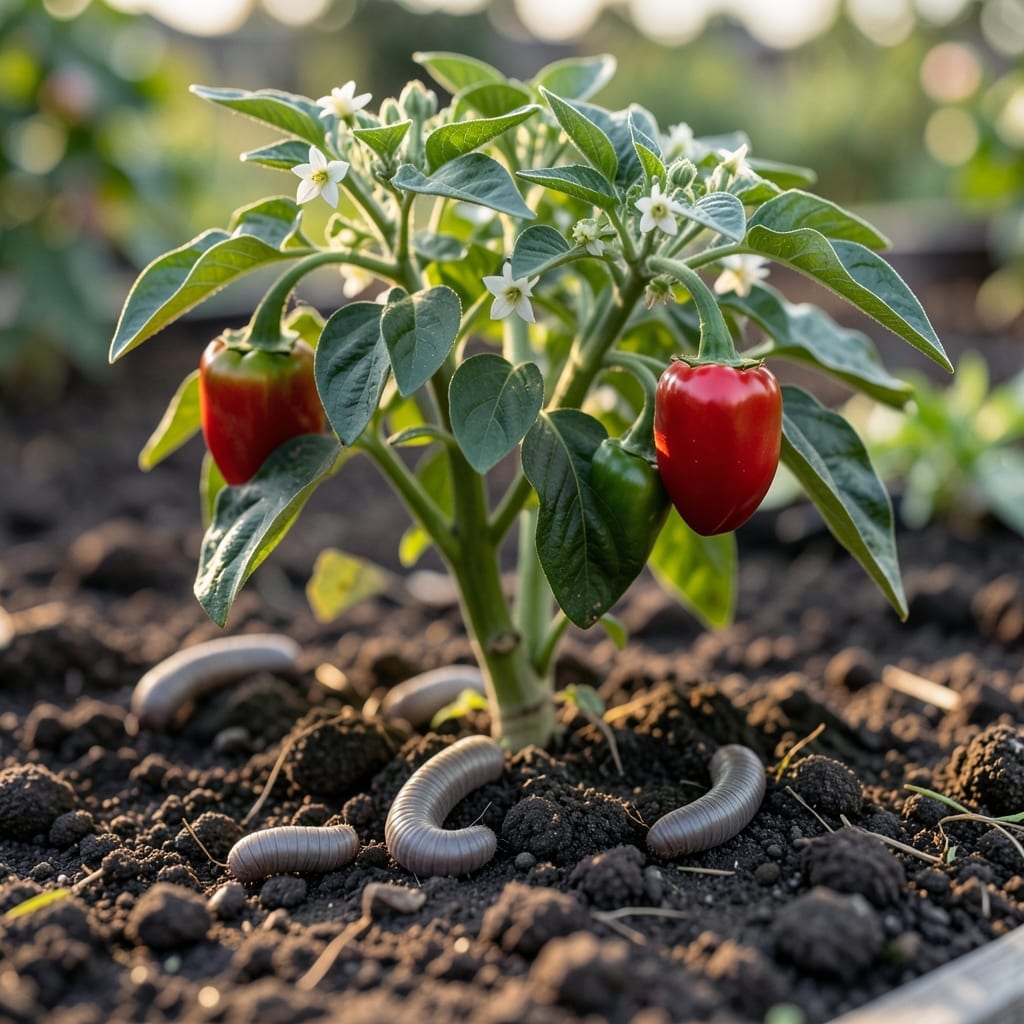
One morning, I found my pepper seedlings severed at the base. Cutworms had struck overnight, leaving stumps where healthy plants stood just hours before.
These soil-dwelling pests chew through stems at ground level, targeting young plants. They’re most active after dark, making them hard to spot until it’s too late.
I’ve tested barriers, beneficial insects, and natural sprays—the right combo stops them cold. A simple cardboard collar around each stem works wonders.
Early action saves your peppers. Check plants at dusk and dawn for the best results.
Cutworms are a common nightmare for pepper growers, but their attacks aren’t random. Understanding the why behind their behavior helps you outsmart them. Here’s what’s driving these pests to your pepper plants:
Cutworms thrive in soils rich with unturned organic matter, like leaf litter, grass clippings, or crop residues. These materials provide shelter during the day and a moist, cool environment for their eggs and larvae. Pepper plants in gardens with thick mulch or untidy rows are prime targets, as the worms can hide just below the surface, emerging at night to sever stems at soil level.
Cutworms are nocturnal feeders, active when temperatures drop and humidity rises. Pepper plants, which transpire moisture at night, create a perfect microclimate for these pests. The cool, damp soil and tender stems of young pepper plants make them an easy, irresistible meal under the cover of darkness.
Newly transplanted or seedling pepper plants are most vulnerable because their stems are soft and succulent. Cutworms prefer these over mature, woody stems, as they can chew through them quickly with their strong mandibles. The lack of tough bark or fibrous tissue in young plants means minimal resistance, making them a low-effort, high-reward target.
Tilling or heavily working the soil can expose cutworm eggs or pupae, which then hatch and seek out nearby hosts—like your pepper plants. Additionally, compacted or poorly drained soil forces worms to the surface, increasing their encounters with plant stems. Pepper beds in recently turned or disrupted soil are at higher risk.
Cutworms can wreak havoc on your pepper plants overnight, but these targeted fixes will help you reclaim your garden. Below are practical solutions for each common cause, paired with prevention tips to keep your plants safe long-term.
Cutworms feast on tender stems at soil level. Wrap a cardboard collar (2–3 inches tall) around the base of each pepper plant, pressing it 1 inch into the soil. This blocks the pests from reaching the stem. For a reusable option, use aluminum foil or plastic cups with the bottom cut out. Prevention tip: Apply barriers immediately after transplanting to stop early infestations.
Cutworms are most active at dusk and dawn. Sprinkle food-grade diatomaceous earth (DE) in a 1-inch ring around each plant—it dehydrates the pests on contact. For a long-term fix, apply beneficial nematodes (Steinernema carpocapsae) to the soil at dusk; they hunt and kill cutworm larvae. Prevention tip: Reapply DE after rain or watering, and keep the garden bed free of debris where cutworms hide.
Cutworms love hiding in dense mulch or weedy patches. Remove weeds and thin mulch to a 1-inch layer around pepper plants. Till the soil lightly to expose and disrupt larvae. Prevention tip: Rotate crops yearly—cutworms target the same plant families, so avoid planting peppers in the same spot as last year’s tomatoes or potatoes.
If you spot curled-up cutworms in the soil, handpick them at night (use a flashlight!) and drop them into soapy water. For a hands-off approach, bury shallow cans (like tuna cans) filled with beer or soap water; cutworms will crawl in and drown. Prevention tip: Check plants daily during the first 2 weeks after transplanting, when they’re most vulnerable.
💡 Pro Tip: Encourage natural predators like ground beetles and birds by adding a birdbath or leaving some leaf litter in other garden areas—just not near your peppers!
They feed primarily at night, especially during warm, humid evenings. Check your plants at dusk and dawn for best results.
Yes! A 2-3 inch collar buried 1 inch deep creates a barrier they can’t cross. Use toilet paper rolls for a quick, free solution.
Handpick at night with a flashlight or set beer traps in shallow cans. Both methods work immediately for visible pests.
Avoid harsh pesticides on edible plants. Stick to organic options like Bt (Bacillus thuringiensis) or diatomaceous earth instead.