
Beautiful Plants For Your Interior
Beautiful Plants For Your Interior
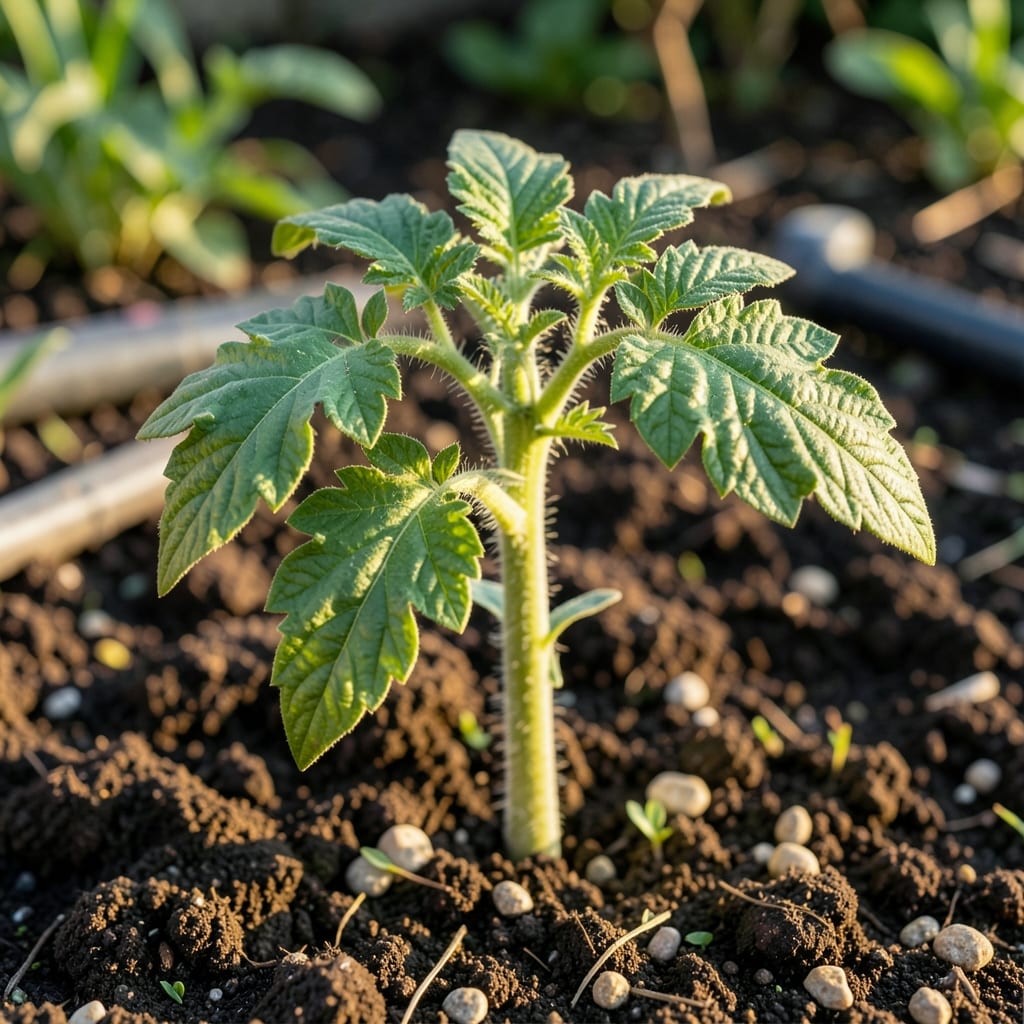
Curled leaves on tomato seedlings often result from overwatering, pest damage, or environmental stress like extreme temperatures. Check soil moisture and inspect for aphids or whiteflies first.
I’ve seen this issue often in my own garden, and it usually comes down to inconsistent care. Seedlings are sensitive to rapid temperature swings, so keeping them in a stable environment helps prevent stress. Also, aphids and whiteflies not only curl leaves but can stunt growth if left unchecked, so early intervention is key. 🌱
Another factor many overlook is nutrient imbalance, particularly too much nitrogen, which can cause excessive leaf growth that curls under its own weight.
💡 In This Article
Leaf curl often begins as a survival response to water imbalance. When roots sit in soggy soil, they suffocate and fail to absorb oxygen, triggering leaf edges to curl upward to reduce surface area and moisture loss.
Conversely, underwatered seedlings curl leaves inward to conserve water, like a plant’s version of closing a window during a storm. 💫
Pests like aphids and whiteflies inject toxins while feeding, causing edges to twist and deform. These insects also spread viruses that distort new growth. A single aphid can reproduce exponentially in 7-10 days, quickly overwhelming young plants with their honeydew secretions and feeding damage. The stickiness often attracts sooty mold, compounding the stress. ✨
Temperature extremes disrupt cellular function. Below 50°F, tomato enzymes slow, stunting growth and causing leaves to curl for protection. Above 90°F, the plant transpires too rapidly, leading to wilting and curling as it struggles to retain moisture. This is why seedlings often show symptoms first in early spring or late summer. 🔥
Nutrient imbalances play a role too. Excess nitrogen produces lush but weak growth prone to curling, while calcium or magnesium deficiencies cause interveinal curling as cells between leaf veins collapse. A soil test revealing levels below 50 ppm for either nutrient signals the need for amendment. 🌟
Diseases like curly top virus, transmitted by leafhoppers, cause dramatic upward curling and stunted growth. The virus disrupts the plant’s vascular system, preventing water and nutrient transport. Infected plants often show purplish veins and thickened, brittle leaves within 2-3 weeks of exposure. ⚡
Check the soil first—if it feels soggy and smells sour, it’s likely overwatered. Leaves will curl upward and may turn yellow. Let the top 1-2 inches dry out before watering again.
Spray seedlings with a neem oil solution (1 tablespoon per gallon of water) at dusk. This disrupts pests like aphids without harming plants. Repeat every 5-7 days until pests are gone.
Yes! Seedlings are sensitive to changes below 50°F or above 90°F. Use row covers or move pots indoors at night if temperatures drop. Stable conditions prevent stress-induced curling.
New growth usually returns to normal within 1-2 weeks of correcting the issue. Severely damaged leaves may not uncurl, but the plant will focus energy on healthy new growth.