
Beautiful Plants For Your Interior
Beautiful Plants For Your Interior
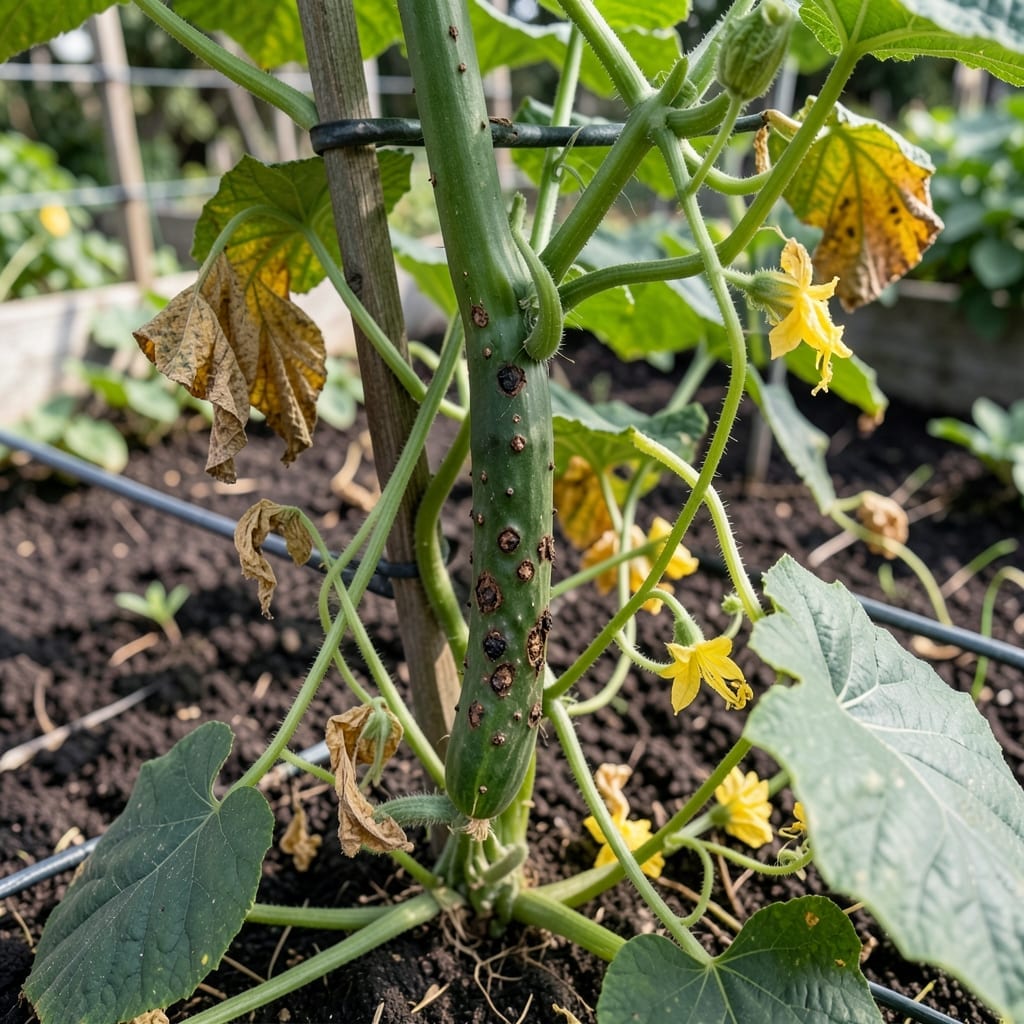
That sinking feeling when healthy cucumber vines suddenly wilt. I’ve lost entire harvests to stem rot, and the worst part is how fast it spreads through a row. One day you’re admiring vibrant green growth, the next you’re staring at collapsed plants.
Here’s the thing—stem rot doesn’t always mean the end. Catching it early makes all the difference between salvation and starting over. The key is understanding what causes the problem before you see the first yellow leaf.
You’ll learn to spot the warning signs before they become disasters. Simple changes to watering, spacing, and plant care can prevent most cases entirely. I’ve tested these methods on my own problem-prone patch with consistent success.
Works for garden beds, raised boxes, or container cucumbers. Let’s save those vines.
Understanding why cucumber stem rot occurs is the first step toward prevention. This frustrating issue typically stems from a combination of environmental, pathological, and cultural factors. Below are the primary causes, explained with actionable insights.
The most common culprits are soil-borne fungi like Fusarium, Phytophthora, and Pythium. These pathogens thrive in overly moist soil and attack the plant’s vascular system, blocking water and nutrient uptake. Poor drainage or excessive irrigation creates the perfect breeding ground for these fungi.
Cucumbers detest “wet feet.” Saturated soil suffocates roots and invites rot. Heavy clay soils or containers without drainage holes exacerbate the problem. Even well-meaning gardeners can overwater, especially in cool, humid conditions where evaporation slows.
Extreme heat or cold weakens cucumber plants, making them more susceptible to infection. High humidity (above 80%) promotes fungal spore germination, while sudden temperature drops slow the plant’s natural defenses. Greenhouses with poor airflow are particularly vulnerable.
Reusing infected soil or unsterilized gardening tools spreads pathogens between plants. Fungal spores can lie dormant in soil for years, waiting for the right conditions to strike. Always sanitize pruners, stakes, and pots with a 10% bleach solution or rubbing alcohol.
Physical damage—from insects, rough handling, or mechanical injury—creates entry points for rot-causing organisms. Additionally, over-fertilization (especially with nitrogen) produces soft, succulent growth that’s less resistant to disease.
Dealing with wilting or rotting cucumber stems can be frustrating, but targeted solutions can help save your plants. Below are practical fixes for common causes, along with prevention tips to keep your garden thriving.
If soggy soil is the culprit, stop watering immediately and let the top inch of soil dry out. Amend heavy or clay soil with compost or sand to boost drainage. For potted cucumbers, ensure containers have drainage holes and elevate them to prevent waterlogging. In the future, water at the base of the plant in the morning to allow excess moisture to evaporate during the day.
For fungal issues like Phytophthora or Fusarium, remove and destroy infected plant parts to prevent spread. Treat remaining plants with a copper-based fungicide or a homemade mix of 1 tsp baking soda + 1 quart water + a drop of dish soap. Spray every 7–10 days, especially after rain. Rotate crops yearly to avoid fungal buildup in the soil.
💡 Pro Tip: Plant disease-resistant cucumber varieties like ‘Straight Eight’ or ‘Marketmore 76’ for added protection.
Stem-boring pests like cucumber beetles can introduce rot. Handpick beetles in the early morning or use neem oil or kaolin clay spray to deter them. Lay mulch or row covers to block access to stems. Companion planting with marigolds or nasturtiums can also repel pests naturally.
Thick foliage traps moisture, encouraging rot. Thin out leaves to improve airflow, especially in humid climates. Space plants 3–4 feet apart and use trellises to keep vines off the ground. This reduces humidity around stems and lowers disease risk.
Heat stress or sudden cold snaps can weaken stems. Use shade cloth during peak summer heat and frost blankets for unexpected chills. Mulch around the base to regulate soil temperature and retain moisture without waterlogging.
With these steps, you can tackle cucumber stem rot head-on and enjoy a healthier harvest. Consistency in care and early intervention are key!
Look for wilting vines that don’t recover after watering. Brown or black lesions on stems and a soft, mushy texture near the soil line are classic signs. Yellowing leaves often appear later.
Saturated soil suffocates roots and invites fungal growth. Cucumbers need consistent moisture but can’t tolerate standing water. Always check soil moisture 1 inch down before watering.
Remove infected plants immediately and destroy them. Treat remaining plants with copper fungicide and improve airflow. Sanitize tools with 10% bleach solution between cuts.
Resistant varieties like ‘Straight Eight’ help, but aren’t foolproof. They buy you time to catch problems early. Combine with good drainage and spacing for best results.