
Beautiful Plants For Your Interior
Beautiful Plants For Your Interior
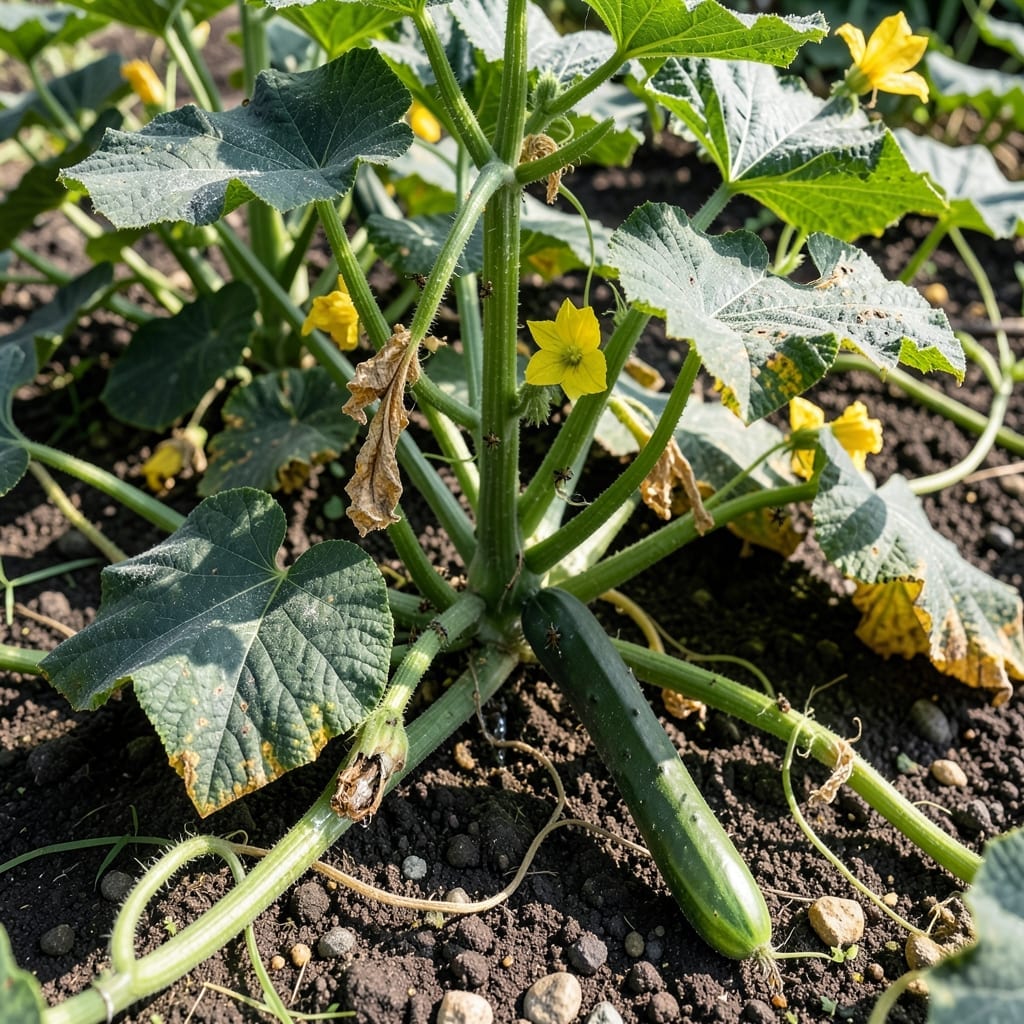
My cucumber vines went from thriving to wilting overnight last summer. Stem damage often starts with subtle signs—discoloration, cracks, or soft spots—that escalate fast if ignored.
Typically, it’s pests like cucumber beetles, fungal infections, or rough handling that cause the most trouble. I’ve learned to check stems at soil level first, where damage often begins unnoticed.
Organic solutions exist for every cause: neem oil for beetles, copper fungicide for blight, or simply adjusting watering habits. The key is catching it early before it spreads to healthy plants.
Your cucumbers can recover with the right approach. I’ll show you how to identify the culprit and fix it without harsh chemicals.
Understanding the root causes of stem damage in cucumbers helps you prevent and address issues early. Here are the most common culprits:
Pathogens like Fusarium and Verticillium wilt, or bacterial soft rot, thrive in warm, wet conditions. These infections disrupt the plant’s vascular system, leading to wilting, lesions, or stem collapse. Overhead watering or poor air circulation exacerbates the problem.
Sap-sucking pests like aphids, cucumber beetles, and spider mites weaken stems by draining nutrients. Beetles also transmit bacterial wilt. Look for chewed stems, holes, or sticky residue (honeydew) as telltale signs.
Extreme heat, frost, or inconsistent watering can crack or split stems. Sudden temperature swings stress the plant, making it vulnerable. Drought stress also causes stems to harden and snap under pressure.
Accidental damage from garden tools, animals, or improper staking can create entry points for disease. Even rough handling during pruning or harvesting may lead to open wounds that invite infection.
Lack of calcium or boron weakens cell walls, causing stems to become brittle or develop corky, cracked textures. Poor soil fertility or imbalanced pH levels (below 6.0 or above 7.0) often trigger these deficiencies.
Stem damage in cucumbers can often be reversed or managed with the right approach. Below are targeted solutions for common causes, paired with prevention tips to keep your plants thriving.
For aphids, cucumber beetles, or spider mites, start by spraying the stems with a neem oil solution (1 tbsp neem oil + 1 tsp dish soap + 1 quart water). For severe cases, manually remove pests with a damp cloth. Prevention tip: 💡 Introduce beneficial insects like ladybugs or use reflective mulch to deter beetles.
If stems show dark lesions or oozing sap, prune infected areas with sterilized shears (dip in rubbing alcohol between cuts). Apply a copper fungicide or a baking soda spray (1 tsp baking soda + 1 quart water + a few drops of soap). Prevention tip: 🌡️ Avoid overhead watering and ensure good airflow by spacing plants 18–24 inches apart.
For broken or crushed stems, use soft ties or garden tape to splint the stem to a stake. If the damage is minor, the plant may heal on its own. Prevention tip: ✨ Train vines early on trellises to reduce weight stress, and handle plants gently during pruning or harvest.
If stems are soft, mushy, or discolored, reduce watering and check that the soil drains well. Amend heavy soil with compost or sand. Prevention tip: 🎯 Water at the base in the morning, and let the top inch of soil dry out between waterings.
Yellowing or stunted stems may signal a lack of nitrogen, potassium, or calcium. Apply a balanced organic fertilizer or a compost tea. For calcium issues, add crushed eggshells to the soil. Prevention tip: 🔥 Test soil annually and adjust amendments as needed.
Look for wilting leaves, dark spots, or cracks near the base. Stems may also become soft or develop a white, powdery coating. Early detection is key to preventing further spread.
Yes, if the damage is minor and the plant remains healthy overall. Focus on treating the affected area and providing proper support. Severe cases may reduce yield, but recovery is possible.
Rotate crops, use mulch to retain moisture, and inspect plants weekly. Ensure good airflow and avoid overwatering. Healthy soil with balanced nutrients also strengthens plant resilience.