
Beautiful Plants For Your Interior
Beautiful Plants For Your Interior
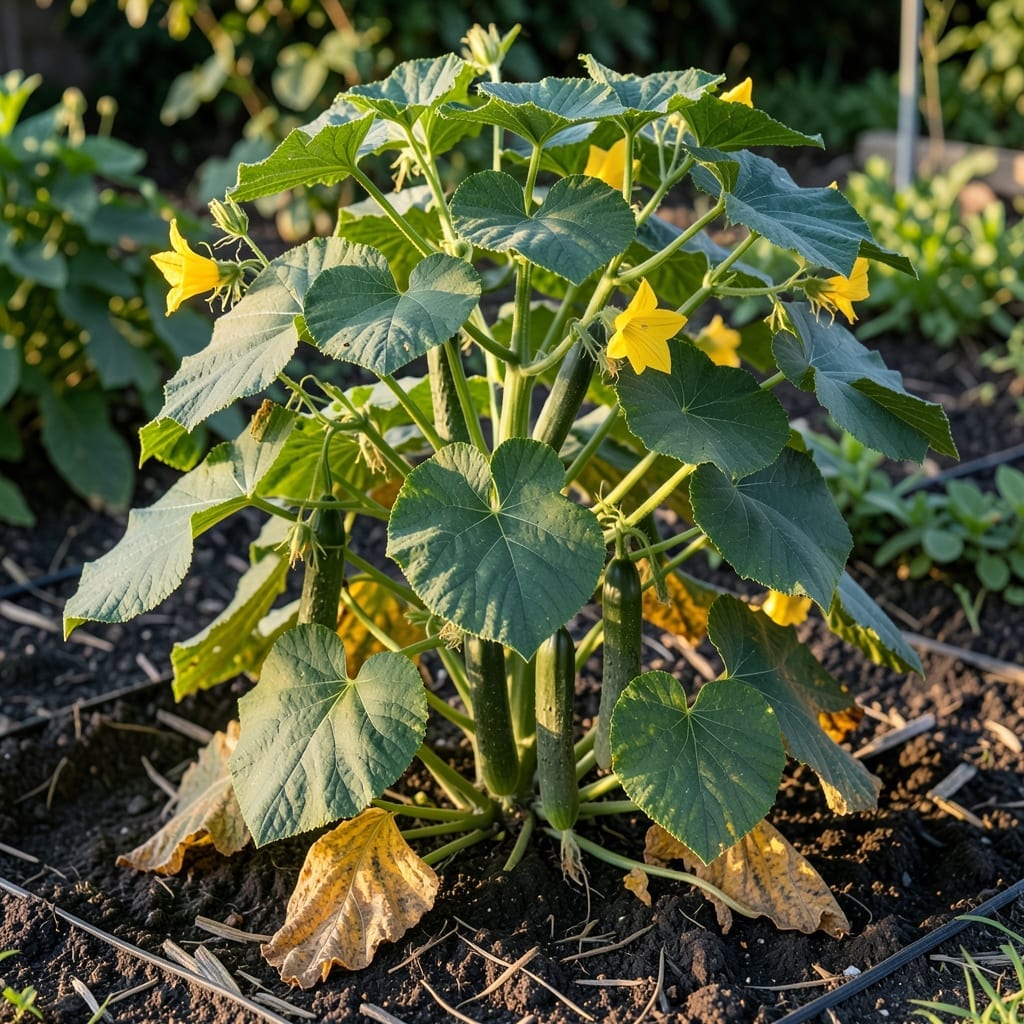
Yellow leaves on cucumber plants hit me hard last summer. I lost half my crop before figuring out what was wrong.
Turns out, the causes are usually simple—too much water, not enough food, or sneaky pests. The fix often starts with checking the soil first.
We’ve tested organic solutions that bring leaves back to vibrant green without harsh chemicals. Small changes make a big difference.
Prevention is easier than cure, and we’ll show you how to spot trouble before it spreads.
Cucumber plants turning yellow often signal underlying issues that disrupt their health. Below are the most common causes, explained with actionable insights.
Yellowing leaves, or chlorosis, frequently stem from a lack of essential nutrients. Nitrogen deficiency causes uniform yellowing of older leaves, as the plant redirects nitrogen to newer growth. Magnesium or iron deficiencies lead to interveinal yellowing (yellow between green veins), often affecting younger leaves first. A soil test can confirm imbalances, and organic amendments like compost or Epsom salt (for magnesium) can restore vitality.
Inconsistent watering stresses cucumber plants, causing yellowing. Overwatering suffocates roots, reducing oxygen uptake and leading to root rot, while underwatering deprives plants of moisture needed for photosynthesis. Check soil moisture 1-2 inches deep—it should feel damp but not soggy. Use drip irrigation to maintain even moisture levels.
Extreme temperatures, excessive sunlight, or poor air circulation can stress cucumbers. Heat stress (above 90°F) may cause leaf scorch, while cold snaps slow growth and trigger yellowing. Provide shade cloth during peak heat and use row covers in cooler weather. Ensure plants have space for airflow to prevent humidity-related issues.
Pests like aphids, spider mites, or cucumber beetles sap plant juices, weakening foliage. Diseases such as powdery mildew (white fungal growth) or bacterial wilt (sudden wilting and yellowing) also cause discoloration. Inspect leaves for spots, webbing, or sticky residue. Treat with neem oil or insecticidal soap for pests, and remove infected leaves to halt disease spread.
Once you’ve identified the cause, these targeted fixes can restore your cucumber plants’ vibrant green leaves. Act quickly for the best results!
Fix: Use a balanced, water-soluble fertilizer (10-10-10 or 5-10-10) to replenish nitrogen, potassium, or magnesium. For iron or manganese shortages, apply chelated iron or kelp extract as a foliar spray. Test soil pH first—aim for 6.0–6.8; amend with lime (to raise pH) or sulfur (to lower it).
Prevent: Rotate crops annually and mix compost into soil before planting to maintain nutrient balance.
Fix: Check soil moisture 1–2 inches deep. If soggy, stop watering and improve drainage with perlite or sand. For dry soil, water deeply at the base (1–1.5 inches per week) early in the day to reduce evaporation. Mulch with straw to retain moisture.
Prevent: Use drip irrigation for consistent moisture and avoid wetting leaves to prevent fungal issues.
Fix: Spray plants with neem oil or insecticidal soap to target aphids, spider mites, or whiteflies. For severe cases, introduce ladybugs or lacewings as natural predators. Remove heavily infested leaves by hand.
Prevent: Inspect plants weekly and encourage beneficial insects by planting companion flowers like marigolds or nasturtiums.
Fix: Remove and destroy infected leaves to stop spread. Apply copper fungicide or a baking soda spray (1 tsp baking soda + 1 quart water + a drop of dish soap). Improve airflow by pruning crowded leaves and spacing plants 12–18 inches apart.
Prevent: Avoid overhead watering and rotate cucumbers with non-host crops like beans or corn to break disease cycles.
Fix: Shield plants from intense afternoon sun with shade cloth (30–50% coverage). If temperatures drop below 50°F (10°C), use row covers to retain warmth. For heat stress, water deeply in the morning to cool roots.
Prevent: Plant cucumbers in a spot with 6–8 hours of sunlight and consistent temperatures between 70–90°F.
Yes, but only if they’re severely damaged. Removing 70% yellow leaves prevents disease spread. If just partially yellow, leave them—the plant may recover. Always use clean pruners to avoid infection.
Water deeply 2-3 times per week, delivering 1-1.5 inches total. Check soil 2 inches down—if dry, it’s time. Morning watering is best to reduce evaporation and fungal risks.
Apply a balanced liquid fertilizer (10-10-10) or side-dress with compost. For quick results, use fish emulsion—plants absorb it within 24-48 hours. Avoid over-fertilizing, which can burn roots.
Yes, if caught early. Remove infected leaves and apply neem oil or baking soda spray weekly. Improve airflow and avoid overhead watering. Severe cases may require removing the entire plant to protect others.