
Beautiful Plants For Your Interior
Beautiful Plants For Your Interior
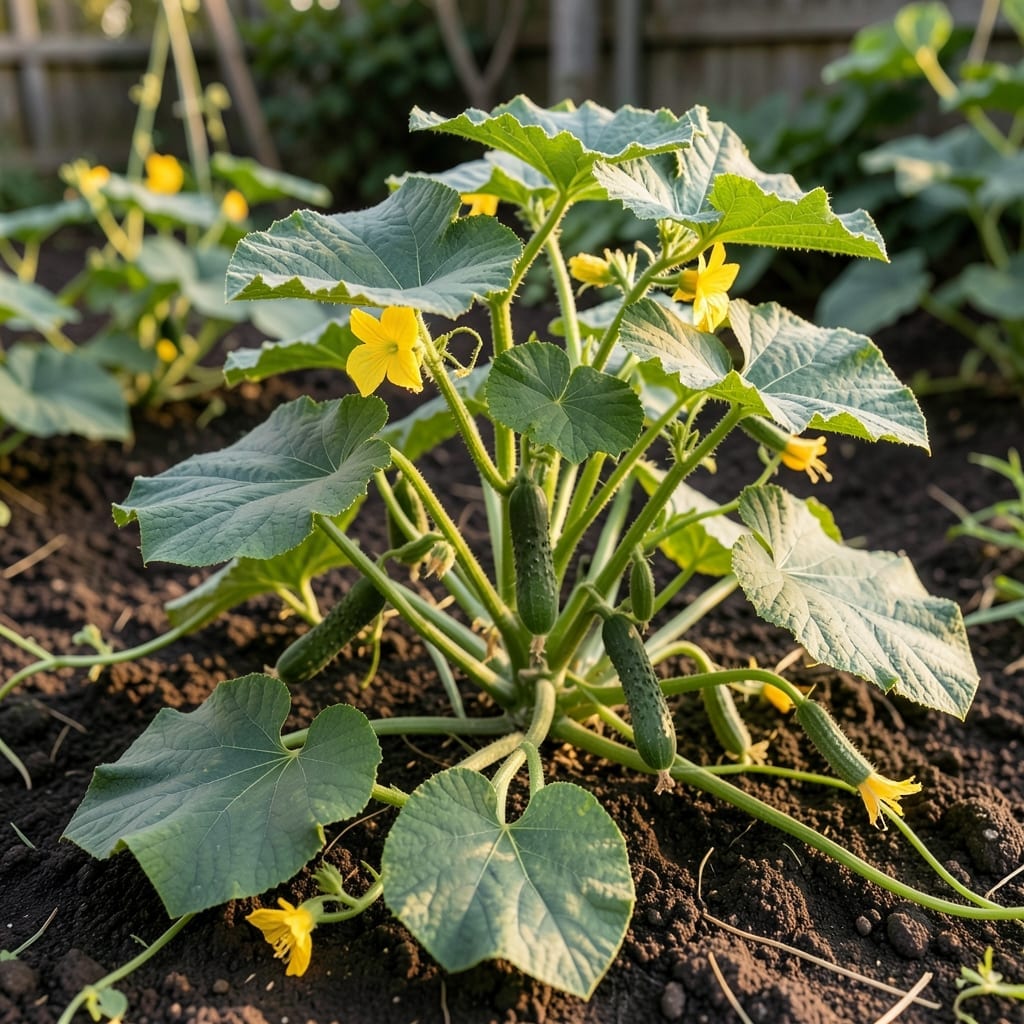
Pale cucumber leaves had me stumped last season. I tried everything—more water, less water, different fertilizers—until I realized the issue was simpler than I thought.
Light green leaves often signal nitrogen deficiency or overwatering, but sometimes it’s just not enough sunlight. The fix usually starts with checking your soil and adjusting your care routine.
After making a few targeted changes, my plants bounced back with deep green foliage within 2 weeks. The difference was shocking, and the cucumbers that followed were the best I’d grown.
Here’s how to diagnose the problem and nurse your plants back to health the organic way.
When cucumber leaves turn light green, it’s often a sign of underlying issues affecting their chlorophyll production or nutrient uptake. Here are the most common causes, explained scientifically:
Nitrogen is the primary nutrient responsible for lush, dark green foliage. A nitrogen deficiency slows chlorophyll synthesis, leading to pale or yellowish-green leaves. Similarly, magnesium (a central component of chlorophyll molecules) or iron deficiencies can cause interveinal chlorosis—light green or yellow patches between the veins while veins remain green.
Cucumbers thrive in full sun (6–8 hours daily). Inadequate light reduces photosynthesis, causing leaves to produce less chlorophyll. Shaded or indoor-grown cucumbers often develop uniformly light green leaves as the plant struggles to capture enough energy.
Excess water suffocates roots, preventing them from absorbing oxygen and nutrients like nitrogen and iron. This leads to nutrient lockout, where nutrients are present in the soil but unavailable to the plant, resulting in pale, stunted leaves. Check for waterlogged soil or root rot as accompanying symptoms.
Cucumbers prefer 70–90°F (21–32°C). Cold snaps below 50°F (10°C) slow metabolic processes, including chlorophyll production. Heat stress above 95°F (35°C) can also disrupt nutrient uptake, leading to lighter leaf color as the plant conserves resources.
Actionable tip: Use a soil test to confirm deficiencies, adjust watering practices, or provide shade cloth during heatwaves.
If your cucumber leaves are pale or light green, act fast to restore their vibrant color and health. Below are targeted fixes for the most common causes, along with prevention tips to keep your plants thriving.
Light green leaves often signal a lack of nitrogen or magnesium. Apply a balanced organic fertilizer (like 10-10-10) or a nitrogen-rich amendment such as compost or fish emulsion. For magnesium, use Epsom salt: dissolve 1 tablespoon in a gallon of water and spray on leaves every 2 weeks. Prevention tip: Test soil annually and amend before planting. 💡
Cucumbers need 6–8 hours of sunlight daily. If leaves are pale, move potted plants to a sunnier spot or trim nearby shade. In extreme heat (above 90°F), provide afternoon shade to prevent stress. Prevention tip: Use row covers in early spring to maintain warmth without overheating. 🌡️
Overwatering or poor drainage can wash away nutrients, leading to pale leaves. Water deeply 1–2 times a week, allowing the top inch of soil to dry between sessions. Ensure pots have drainage holes and garden beds are well-draining. Prevention tip: Mulch with straw to retain moisture and prevent nutrient runoff. ✨
Sap-sucking pests like aphids or whiteflies can weaken plants, causing discoloration. Spray with neem oil or insecticidal soap weekly until pests are gone. For fungal issues (e.g., powdery mildew), improve airflow and avoid overhead watering. Prevention tip: Rotate crops yearly to disrupt pest and disease cycles. 🎯
With proper care, cucumber leaves typically return to deep green within 1-2 weeks. Nitrogen corrections show results fastest, while magnesium treatments may take slightly longer.
Yes, coffee grounds are a great organic nitrogen source. Mix 1/4 cup into soil per plant or compost first. Avoid overusing, as excess can acidify soil.
Nitrogen is mobile in plants, so the nutrient moves from older leaves to new growth during deficiency. This causes lower leaves to pale first as the plant prioritizes new foliage.
Yes, light green leaves don’t affect fruit safety. However, address the underlying issue quickly, as prolonged stress can impact yield and quality.