
Beautiful Plants For Your Interior
Beautiful Plants For Your Interior
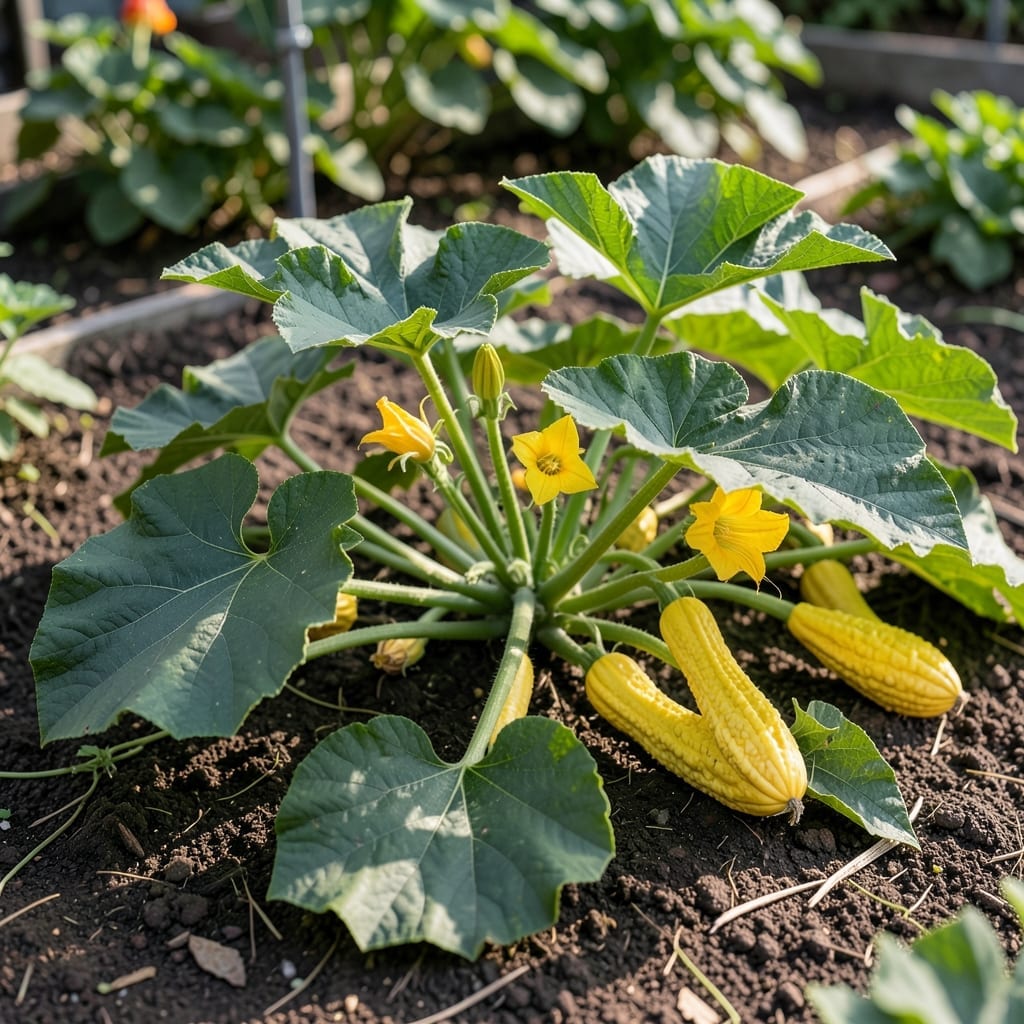
Those bumps on your crooked neck squash aren’t just ugly—they’re a warning sign. I’ve seen this problem wipe out entire harvests when ignored, but catching it early makes all the difference.
The usual suspects are pests like squash bugs or environmental stress from uneven watering. Sometimes it’s a fungal issue creeping in from damp conditions. Whatever the cause, your plants are trying to tell you something’s off.
By the time you notice the bumps, the damage has already started. That’s why regular checks under the leaves and along the stems are non-negotiable. Early action saves the rest of your crop.
We’ll walk through how to diagnose the issue and fix it before it spreads. Your squash plants can still bounce back with the right care.
A crooked neck and bumpy skin on squash are usually signs of stress or disease. Here are the most common causes, explained simply:
Inconsistent moisture levels cause rapid, uneven growth. When the plant alternates between drought and excess water, the neck can twist as cells expand irregularly. Bumps often form where the skin stretches to accommodate sudden growth spurts.
Sap-sucking pests like aphids and squash bugs weaken the plant and distort new growth. Their feeding disrupts the flow of nutrients and water, leading to misshapen stems and lumpy fruit. Check the undersides of leaves for clusters of insects or sticky residue (honeydew).
Pathogens such as powdery mildew or cucumber mosaic virus can cause stunted, distorted growth. These diseases often start as white powdery spots or yellowing leaves, then progress to bumpy, crooked squash as the plant struggles to develop normally.
Squash thrive in warm, stable conditions. Sudden cold snaps or extreme heat can shock the plant, leading to abnormal cell division. This often results in a twisted neck and raised bumps as the squash tries to recover.
Too much nitrogen promotes leafy growth at the expense of fruit, while a calcium deficiency can cause blossom end rot and irregular shapes. Bumps may form due to uneven nutrient distribution during rapid growth phases.
If your squash plants are producing crooked necks with bumps, don’t worry—there are simple fixes for each underlying cause. Here’s how to tackle the most common issues and prevent them in the future.
Squash needs steady water to grow straight. If the soil dries out between waterings, the fruit can develop odd shapes. Fix it: Water deeply 1–2 times a week (more in extreme heat) to keep soil evenly moist. Use a soaker hose or drip irrigation to deliver water directly to the roots. Prevention tip: 💡 Mulch around plants with straw to retain moisture and reduce evaporation.
Sudden temperature changes can stress squash, leading to bumpy or crooked growth. Fix it: Use row covers early in the season to protect young plants from cold snaps. In hot weather, provide afternoon shade with a light fabric cover. Prevention tip: ✨ Plant squash after the last frost when soil is consistently warm (above 60°F).
Incomplete pollination often causes misshapen squash. Fix it: If bees are scarce, hand-pollinate by transferring pollen from male to female flowers with a small paintbrush or cotton swab. Do this in the morning when flowers are open. Prevention tip: 🌼 Plant bee-friendly flowers nearby (like marigolds or sunflowers) to attract more pollinators.
Lack of calcium or boron can cause bumps and deformities. Fix it: Work compost or well-rotted manure into the soil before planting. For a quick boost, apply a balanced fertilizer or foliar spray with calcium. Prevention tip: 📊 Test your soil annually and amend as needed to keep nutrients balanced.
Squash bugs, cucumber beetles, or fungal diseases can weaken plants, affecting fruit shape. Fix it: Inspect plants regularly and remove pests by hand or with neem oil. For disease, improve airflow by spacing plants properly and avoid overhead watering. Prevention tip: 🛡️ Rotate crops yearly to prevent pest and disease buildup in the soil.
Yes, if the bumps are just cosmetic from growth issues. Wash thoroughly and check for soft spots or mold. If the flesh inside is firm and smells fresh, it’s fine to use.
Water consistently, use mulch, and ensure good pollination. Plant in warm soil and space plants for airflow. Test soil for nutrient balance before planting.
Remove visible pests by hand and spray with neem oil. Check undersides of leaves daily. Isolate heavily infested plants to stop the spread.