
Beautiful Plants For Your Interior
Beautiful Plants For Your Interior
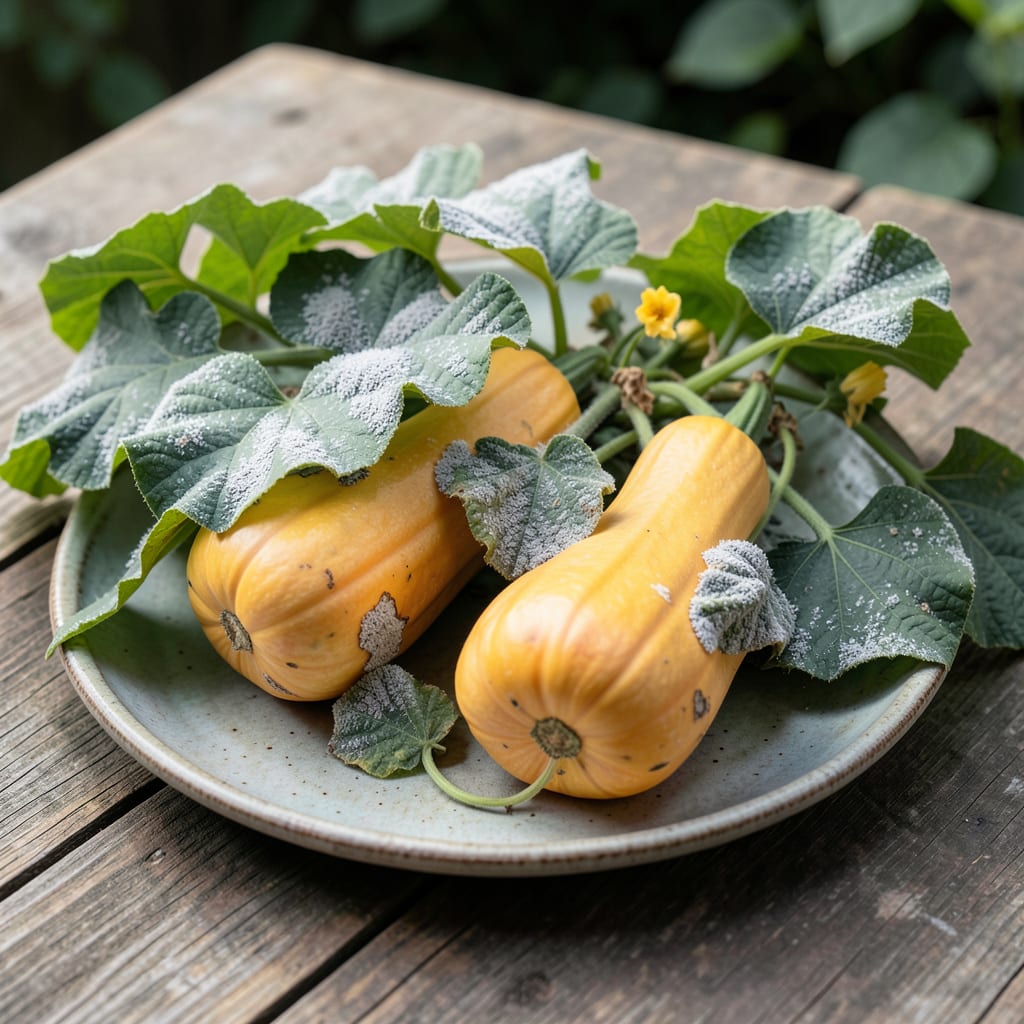
White spots on your squash leaves mean trouble. I’ve lost entire crops to powdery mildew before learning how to stop it early.
This fungus spreads fast in warm, humid weather, turning leaves yellow and stunting growth. The key is catching it before it takes over your garden.
Simple fixes like improving air flow and using organic sprays can save your plants. I now check leaves daily during peak season.
With the right approach, your squash will stay healthy and productive all the way to harvest time.
Fungal infections on squash plants, like powdery mildew, often stem from environmental and biological factors. Understanding these causes helps you prevent and manage outbreaks effectively.
Fungi thrive in moist, stagnant conditions. When squash leaves stay wet for extended periods—due to overhead watering, dense planting, or lack of pruning—spores germinate and spread. Podosphaera xanthii, the fungus behind powdery mildew, particularly flourishes in 60–80% humidity with temperatures between 60–80°F (15–27°C).
Watering from above wets the foliage, creating a perfect breeding ground for spores. Unlike soil-borne fungi, powdery mildew doesn’t require free water to infect—it only needs high humidity. However, wet leaves accelerate spore dispersal and germination.
Planting squash too closely restricts airflow, trapping moisture around leaves. This is especially problematic in shaded areas where evaporation slows. Ensure 3–4 feet of spacing between plants to improve ventilation.
Fungal spores overwinter in dead plant debris, soil, or garden tools. If last season’s squash plants had mildew, the spores can reinfect new growth in spring. Removing and destroying (not composting) infected material breaks the disease cycle.
Some squash cultivars, like Cucurbita pepo (zucchini, pumpkins), are more prone to powdery mildew due to their dense canopies. Choosing resistant varieties (e.g., ‘Dunja’ zucchini or ‘Jaradale’ pumpkin) can reduce risk.
Excess nitrogen promotes lush, soft growth, which is more vulnerable to fungal attacks. A balanced fertilizer (e.g., 5-10-10) and proper potassium levels strengthen plant cell walls, improving resistance.
Fungal problems on squash plants can be frustrating, but with the right approach, you can restore your garden’s health. Below are targeted solutions for common fungal causes, along with prevention tips to keep them from returning.
If you spot white, powdery spots on leaves, prune infected foliage immediately to stop the spread. Thin out dense plantings to boost air circulation, as humidity fuels this fungus. Apply a baking soda spray (1 tbsp baking soda + 1 tsp dish soap + 1 gallon water) weekly as a natural fungicide. For severe cases, use neem oil or sulfur-based fungicides.
Prevent it: Water at the base (not overhead) and space plants 2–3 feet apart. Choose mildew-resistant squash varieties like ‘Dunja’ or ‘Zucchini Elite.’
Yellow patches on upper leaves with fuzzy growth underneath signal downy mildew. Remove affected leaves and avoid watering in the evening. Switch to drip irrigation to keep foliage dry. Apply copper fungicide at the first sign, repeating every 7–10 days.
Prevent it: Rotate crops yearly and clear garden debris in fall to eliminate overwintering spores. Mulch with straw to prevent soil splashing onto leaves.
Wilting or blackened stems often indicate Fusarium or Verticillium wilt. Unfortunately, infected plants can’t be saved—pull and destroy them (don’t compost!). Solarize soil by covering it with clear plastic for 4–6 weeks to kill pathogens. For future plantings, rotate crops and add beneficial fungi like Trichoderma to the soil.
Prevent it: Plant in raised beds with fresh, well-draining soil. Avoid over-fertilizing with nitrogen, which can stress plants.
💡 Pro Tip: Early intervention is key! Inspect plants weekly, especially after rain or high humidity, to catch issues before they spread.
White powdery spots usually mean powdery mildew, a common fungal disease. It thrives in humid conditions and can spread quickly if untreated.
Space plants 3–4 feet apart for airflow and water at the base. Remove infected leaves immediately and avoid overhead watering to reduce moisture.
Yes! Try resistant types like ‘Dunja’ zucchini or ‘Jaradale’ pumpkin. These handle humidity better and show fewer signs of infection.
No. Always destroy (never compost) infected plants to prevent spores from spreading. Burn or bag them to break the disease cycle.
