
Beautiful Plants For Your Interior
Beautiful Plants For Your Interior
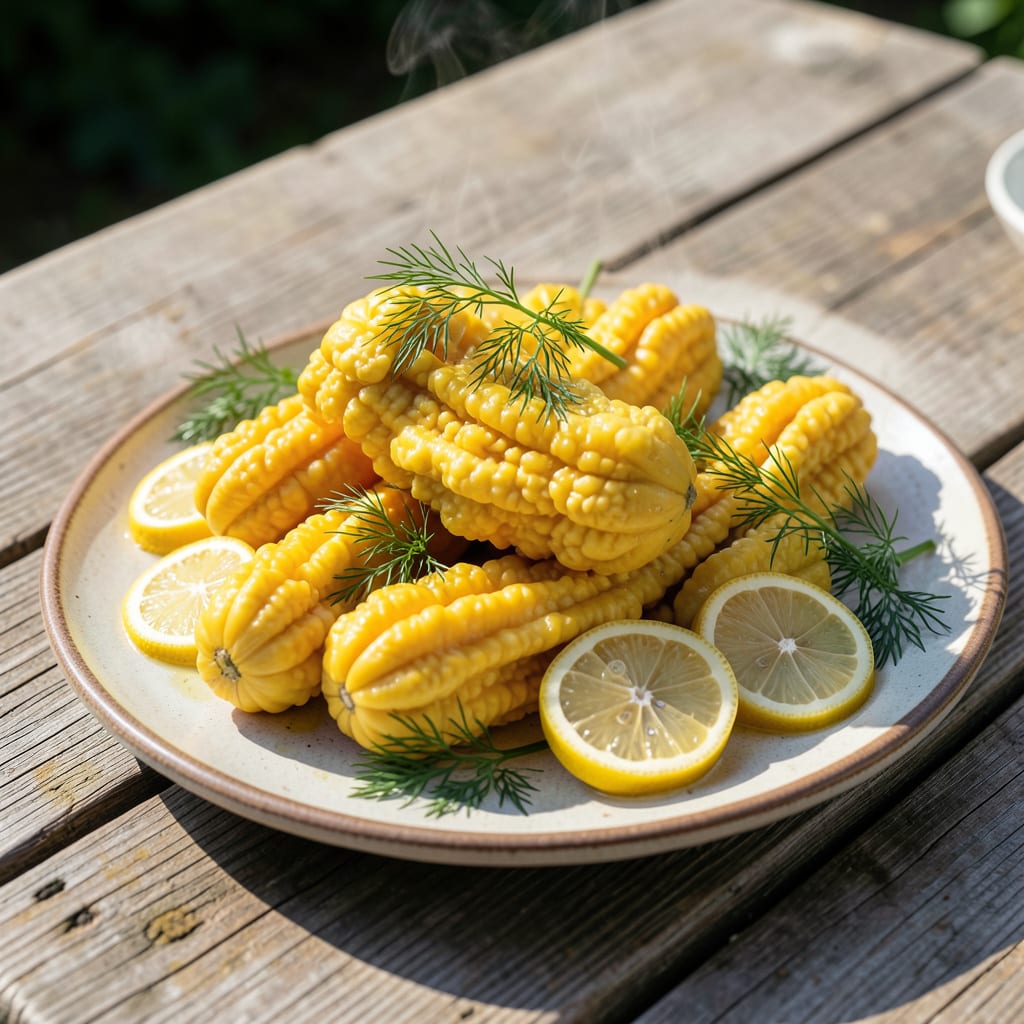
That first time I saw my squash covered in yellow bumps, my stomach dropped. 🌱 Turns out, those weird lumps aren’t always bad news—some are natural, others signal trouble brewing in your garden bed.
Environmental stress, pests, or fungal issues all leave distinct marks. I’ve learned the hard way that catching these early means the difference between a full harvest and a compost pile. The good news? Most causes have simple organic fixes.
You’ll spot the difference between harmless texture and serious problems with a close look. Check the undersides of leaves, examine stems, and note if bumps are soft or hard. This tells you exactly what you’re dealing with.
Works for container gardens, raised beds, or open soil. Here’s how to diagnose and treat it.
The bumpy texture on yellow squash is often a sign of environmental stress or disease. Here are the most common causes, explained in simple terms:
Fluctuations in soil moisture can disrupt cell growth, leading to lumpy or misshapen squash. Overwatering or drought stress forces the fruit to expand unevenly, creating raised bumps. Solution: Maintain consistent moisture with drip irrigation or mulch to retain soil dampness.
Pathogens like Powdery Mildew or Downy Mildew weaken plant tissues, causing irregular growth. These fungi thrive in humid conditions and leave white or yellow spots on leaves, which can indirectly affect fruit development. Solution: Improve airflow, avoid overhead watering, and apply organic fungicides like neem oil.
Sap-sucking pests (e.g., aphids, cucumber beetles) damage vines, stunting nutrient flow to the fruit. Their feeding can trigger abnormal growth patterns, including bumps. Solution: Use row covers early in the season or introduce beneficial insects like ladybugs.
Excess nitrogen promotes leafy growth at the expense of fruit, while calcium or boron deficiencies disrupt cell division, leading to rough textures. Solution: Test soil and amend with compost or organic fertilizers balanced for fruiting crops.
If your yellow squash has developed unsightly bumps, don’t worry—there are simple, organic ways to restore its smooth appearance and health. Below are targeted solutions for the most common causes, paired with prevention tips to keep your crop thrill-free. 💡
Inconsistent moisture is a top culprit for bumpy squash. Fix it by watering deeply 1–2 times per week (more in extreme heat) to maintain even soil moisture. Use a soaker hose or drip irrigation to deliver water directly to the roots, avoiding wetting the leaves. Mulch around plants with straw or grass clippings to retain moisture and prevent soil crusting.
Prevention tip: Check soil moisture 1–2 inches down—if it’s dry, it’s time to water. ✨
Sap-sucking pests like aphids or cucumber beetles can distort growth, leading to bumps. Treat infestations with a spray of neem oil or insecticidal soap (apply in the early morning or late evening). For cucumber beetles, lay down floating row covers early in the season to block access.
Prevention tip: Encourage beneficial insects like ladybugs by planting companion flowers (e.g., marigolds or nasturtiums) nearby. 🎯
Low calcium or boron levels can cause irregular growth. Amend the soil with a balanced organic fertilizer or compost tea every 3–4 weeks. For a quick calcium boost, crush eggshells and work them into the soil at planting time.
Prevention tip: Test your soil annually and adjust amendments based on results. 🌡️
Fungal infections like powdery mildew stress the plant, leading to bumpy fruit. Combat it by spacing plants 2–3 feet apart for airflow and pruning overcrowded leaves. Spray affected areas with a baking soda solution (1 tbsp baking soda + 1 tsp dish soap + 1 gallon water).
Prevention tip: Water in the morning so foliage dries quickly, reducing fungus risk. 💨
Not always! Some varieties naturally develop slight bumps as they grow. Check if the bumps are uniform and the plant looks healthy overall. Only worry if they appear suddenly with other symptoms like yellowing leaves.
Look for tiny insects on the undersides of leaves or sticky residue on the plant. Aphids and cucumber beetles are common culprits. A magnifying glass helps spot these small pests early.
Yes, if the cause is environmental or nutritional! The flavor remains unaffected in most cases. Just wash thoroughly before eating. Only discard if the bumps are soft, mushy, or accompanied by rot.
