
Beautiful Plants For Your Interior
Beautiful Plants For Your Interior
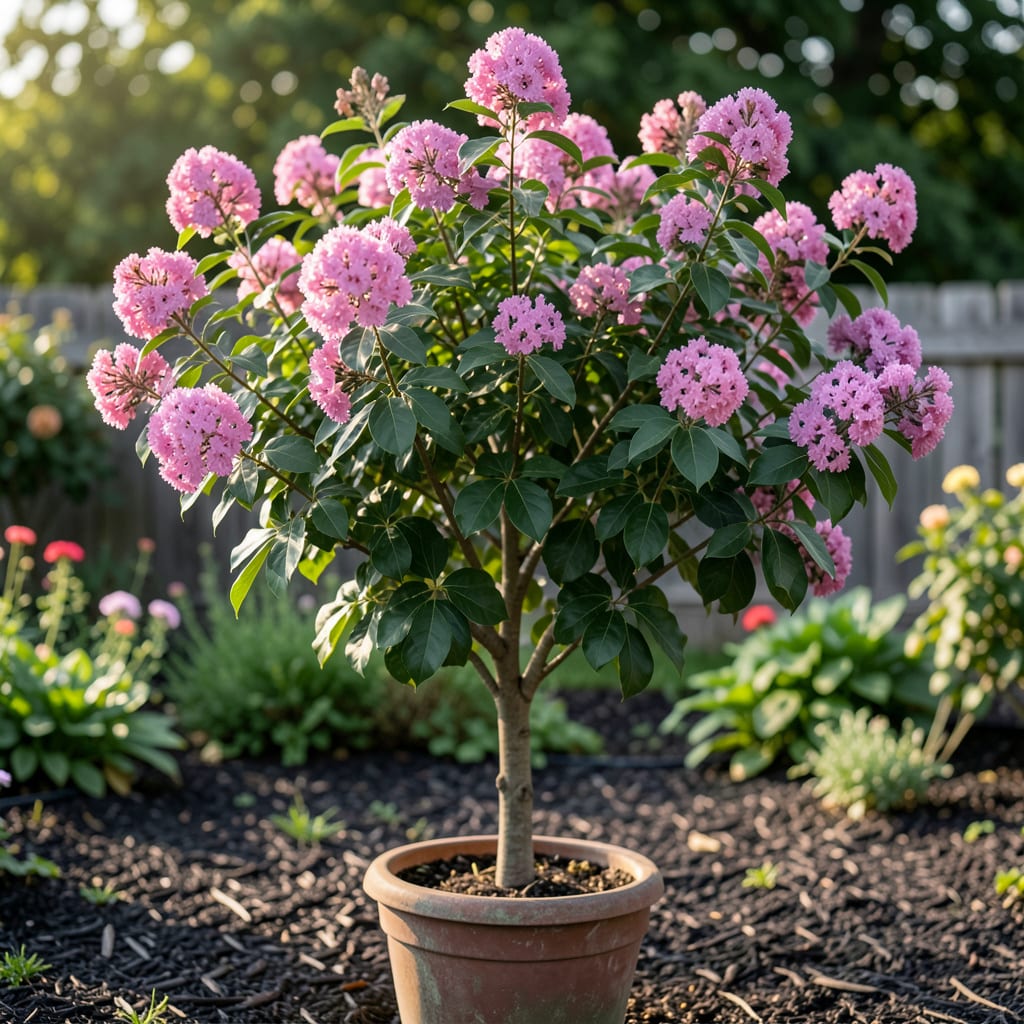
Crepe Myrtle 🌳 trees are known for their stunning summer blooms, but how tall can they actually grow? The height of these beautiful trees varies significantly based on factors like variety and growing conditions.
In general, Crepe Myrtles can range from 6 to 20 feet tall, with some varieties staying compact while others grow quite tall. Understanding their growth potential is key to planning your garden effectively.


Crepe myrtle height is influenced by multiple factors that gardeners should consider when planting. The variety of crepe myrtle is perhaps the most significant factor, as different cultivars have been bred for specific growth habits ranging from compact dwarf varieties to tall standard trees 🌳.
Other important factors include climate, soil quality, and maintenance practices. Crepe myrtles thrive in warm climates with full sun and well-drained soil, which can significantly impact their growth rate and ultimate height.
The variety of crepe myrtle plays a crucial role in determining its height. Dwarf varieties typically grow to between 6-8 feet, while standard varieties can reach heights of 12-20 feet. Understanding the specific growth characteristics of your crepe myrtle variety is essential for proper garden planning.
Climate conditions also significantly impact crepe myrtle growth. These trees thrive in USDA zones 6-9, where they receive adequate warmth and sunlight. In cooler climates, growth may be slower and maximum height reduced.
Soil quality is another critical factor affecting crepe myrtle height. These trees prefer well-drained soil with a slightly acidic to neutral pH (5.5-7.0). Poor soil conditions can limit root development and overall growth potential.
Regular pruning practices not only help control height but also promote healthier growth and more abundant blooming. Proper pruning techniques can maintain the desired height while preserving the tree’s natural shape and flowering potential.
Understanding these growth factors helps gardeners make informed decisions about crepe myrtle placement and maintenance. By selecting the right variety and providing optimal growing conditions, gardeners can achieve their desired height and enjoy the tree’s beautiful summer blooms.
Crepe myrtles are relatively fast-growing trees, especially during their early years. They can grow 3-5 feet per year under ideal conditions, although growth slows as they mature.
The mature height of crepe myrtles varies significantly by variety. While dwarf varieties remain compact, standard varieties can become substantial landscape features.
Proper care, including regular watering and fertilization, supports healthy growth and helps crepe myrtles reach their full height potential.
Pruning is an essential maintenance task that not only controls height but also enhances the tree’s overall health and appearance. When done correctly, pruning promotes better air circulation and more vigorous blooming.
By understanding the factors that influence crepe myrtle height, gardeners can better plan their landscapes and enjoy these beautiful trees for years to come 🌼.
Crepe myrtle varieties offer diverse growth habits and mature heights, making them suitable for various landscape designs. Understanding these differences helps gardeners choose the right variety for their space 🌳.
The height of crepe myrtles can vary significantly between different varieties. Dwarf varieties typically grow between 6-8 feet tall, making them ideal for smaller gardens or container planting.
Dwarf varieties like ‘Pocomoke’ and ‘Chickasaw’ are perfect for smaller spaces, growing to about 6-8 feet tall. They maintain a compact, bushy shape and are ideal for hedges or borders.
Semi-dwarf varieties offer a middle ground, reaching heights of 8-12 feet. These trees have a more upright growth habit and can serve as focal points in garden designs.
Standard varieties like ‘Natchez’ are the tallest, growing up to 20 feet or more. They develop a characteristic vase shape and can become dramatic landscape features 🌼.
The growth rate of crepe myrtles also varies by variety. Standard varieties tend to grow faster than dwarf types, especially during their early years.
When selecting a crepe myrtle variety, consider both the mature height and the growth rate to ensure it fits your landscape plans.
Proper care, including regular watering and fertilization, supports healthy growth regardless of the variety.
Pruning practices can also influence the final height and shape of your crepe myrtle, allowing for further customization to your garden design.
Crepe myrtle varieties offer diverse growth habits and mature heights, making them suitable for various landscape designs. Understanding these differences helps gardeners choose the right variety for their space 🌳.
The height of crepe myrtles can vary significantly between different varieties. Dwarf varieties typically grow between 6-8 feet tall, making them ideal for smaller gardens or container planting.
Dwarf varieties like ‘Pocomoke’ and ‘Chickasaw’ are perfect for smaller spaces, growing to about 6-8 feet tall. They maintain a compact, bushy shape and are ideal for hedges or borders 🌼.
Semi-dwarf varieties offer a middle ground, reaching heights of 8-12 feet. These trees have a more upright growth habit and can serve as focal points in garden designs.
Standard varieties like ‘Natchez’ are the tallest, growing up to 20 feet or more. They develop a characteristic vase shape and can become dramatic landscape features.
The growth rate of crepe myrtles also varies by variety. Standard varieties tend to grow faster than dwarf types, especially during their early years.
When selecting a crepe myrtle variety, consider both the mature height and the growth rate to ensure it fits your landscape plans.
Proper care, including regular watering and fertilization, supports healthy growth regardless of the variety 🌻.
Pruning practices can also influence the final height and shape of your crepe myrtle, allowing for further customization to your garden design.
Crepe myrtles can grow between 6 to 20 feet tall, depending on the variety. Dwarf varieties typically reach 6-8 feet, while standard varieties can grow up to 12-20 feet. The height is also influenced by factors like climate, soil quality, and maintenance practices.
The height of crepe myrtles is influenced by several factors, including the variety, climate, soil quality, and pruning practices. Warmer climates and well-drained soil promote healthier growth, while regular pruning can help control the height. Proper care supports optimal growth and helps achieve the desired height.
Yes, you can control the height of your crepe myrtle through regular pruning. Pruning not only helps maintain the desired height but also promotes healthier growth and more abundant blooming. Proper pruning techniques are essential to preserve the tree’s natural shape and flowering potential.
Crepe myrtles are relatively fast-growing trees, especially during their early years. They can grow 3-5 feet per year under ideal conditions. However, the growth rate slows down as they mature. Proper care, including regular watering and fertilization, supports healthy growth.
