
Beautiful Plants For Your Interior
Beautiful Plants For Your Interior
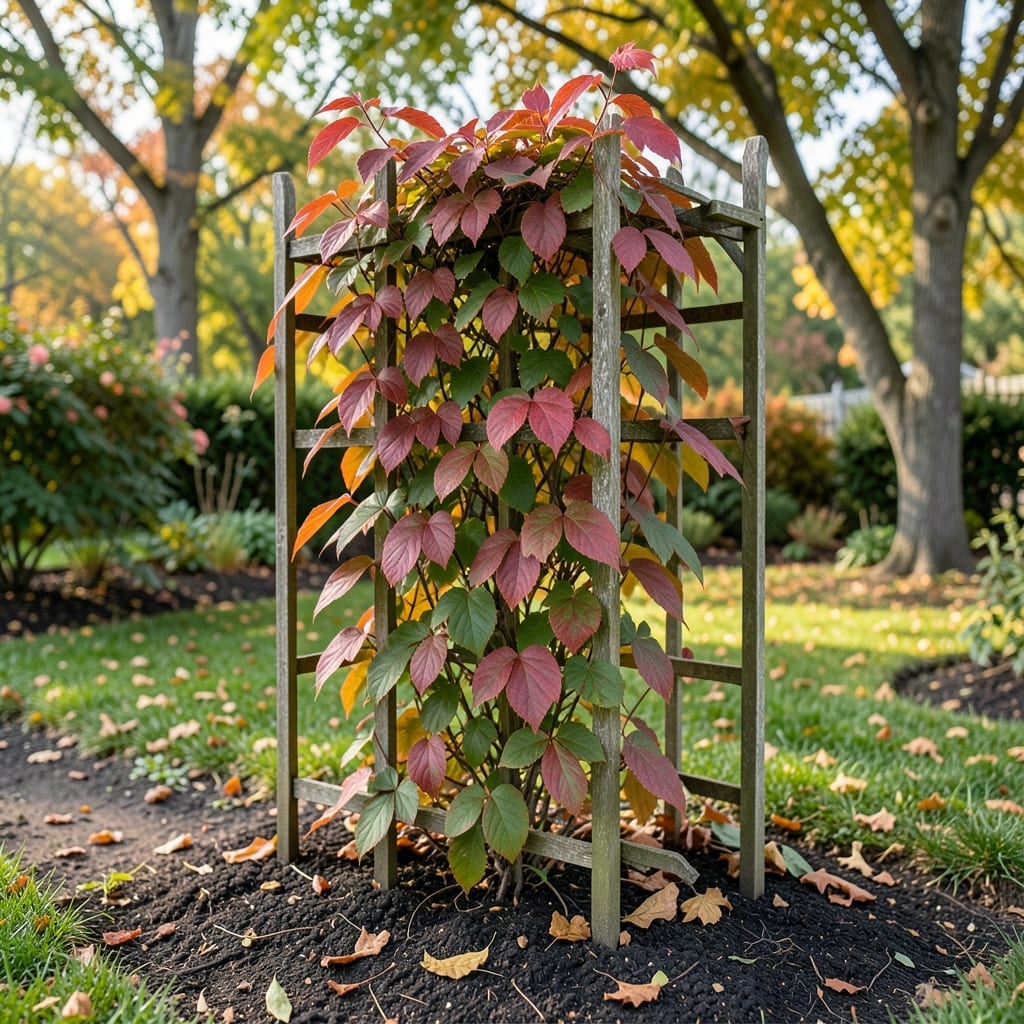
That five-leaf creeper in your yard might be Virginia Creeper or Boston Ivy. I spent years misidentifying mine until I noticed the subtle differences in leaf shape and growth pattern.
These vines thrive in partial shade with well-draining soil, climbing 20-30 feet in a season if given support. They’re low-maintenance once established, needing only occasional pruning to control their spread.
Propagation is simple—just snip a 6-inch stem and root it in water. Within weeks, you’ll have new plants ready for your fence, trellis, or ground cover.
Perfect for adding lush greenery to any space, but keep an eye on them—they can get a little too enthusiastic if left unchecked.
The appearance of a creeping vine with five leaves in your garden or landscape is rarely random. These plants thrive under specific environmental and biological conditions. Below are the primary causes behind their growth, explained with actionable insights.
Many five-leaf creeping vines, such as Virginia Creeper or Ivy, flourish in moist, well-draining soil rich in organic matter. Poor or compacted soil can stress other plants, creating an opening for hardy vines to take over. Test your soil’s pH and nutrient levels—vines often prefer slightly acidic to neutral soil (pH 6.0–7.5). Amending soil with compost can discourage vine dominance by boosting the health of competing plants.
These vines are opportunistic and adapt to varying light conditions. However, partial shade to full sun often triggers rapid growth, as it provides the energy needed for photosynthesis while reducing competition from shade-sensitive plants. If your garden has dappled sunlight or open areas, creeping vines may spread aggressively. Strategically planting shade-tolerant ground covers can help suppress their growth.
Consistent moisture encourages vine proliferation. Overwatering or poor drainage can create a habitat where creeping vines outcompete other vegetation. Ensure your irrigation system targets desired plants rather than unintentionally nourishing invasive vines. Drip irrigation or soaker hoses placed at the base of trees and shrubs can minimize vine-friendly conditions.
Bare patches in your garden are an open invitation for creeping vines. These plants exploit empty spaces, using their fast-growing tendrils to claim territory. Regularly mulch garden beds and maintain dense plantings to reduce opportunities for vines to establish. Ground covers like clover or creeping thyme can act as natural barriers.
Dealing with problems in your creeping vine with five leaves can be frustrating, but these targeted solutions will help you restore its health and vigor. Below are practical fixes for the most common issues, along with prevention tips to keep your vine thriving.
If your vine’s leaves are turning yellow, it’s often a sign of overwatering or poor drainage. Replant it in a well-draining potting mix, and ensure the container has drainage holes. Water only when the top inch of soil feels dry. Prevention tip: 💡 Use a mix of soil, perlite, and compost to improve aeration.
Spotted aphids, mealybugs, or spider mites? Wipe down leaves with a soapy water solution (1 tsp mild dish soap per quart of water) or spray with neem oil. For severe cases, introduce beneficial insects like ladybugs. Prevention tip: 🎯 Inspect new plants before bringing them near your vine to avoid contamination.
Stunted growth usually means your vine lacks nutrients. Apply a balanced liquid fertilizer (10-10-10) every 4-6 weeks during the growing season. For organic options, use compost tea or worm castings. Prevention tip: ✨ Rotate fertilizer types to provide a broad spectrum of nutrients.
Long, sparse stems with few leaves indicate insufficient light. Move your vine to a brighter spot with indirect sunlight (e.g., near an east-facing window). If growing outdoors, provide shade during peak afternoon hours. Prevention tip: 🌡️ Rotate the plant weekly for even light distribution.
Sudden leaf drop often results from temperature shocks or drafts. Keep your vine in a stable environment (65–75°F) and away from AC vents, heaters, or cold drafts. Prevention tip: 🔥 Acclimate the plant gradually when moving it to a new location.
Most five-leaf creeping vines grow rapidly, often climbing 20-30 feet in a single season with proper support. Growth slows in cooler weather or poor soil conditions.
Virginia Creeper is generally non-toxic, but Boston Ivy may cause mild stomach upset if ingested. Always supervise pets and kids around plants.
Yes, but it needs bright, indirect light and a trellis. Expect slower growth indoors. Keep soil moist but not soggy.
Regular pruning is key. Trim back new growth in early spring and remove unwanted runners. Use physical barriers for ground cover.