
Beautiful Plants For Your Interior
Beautiful Plants For Your Interior
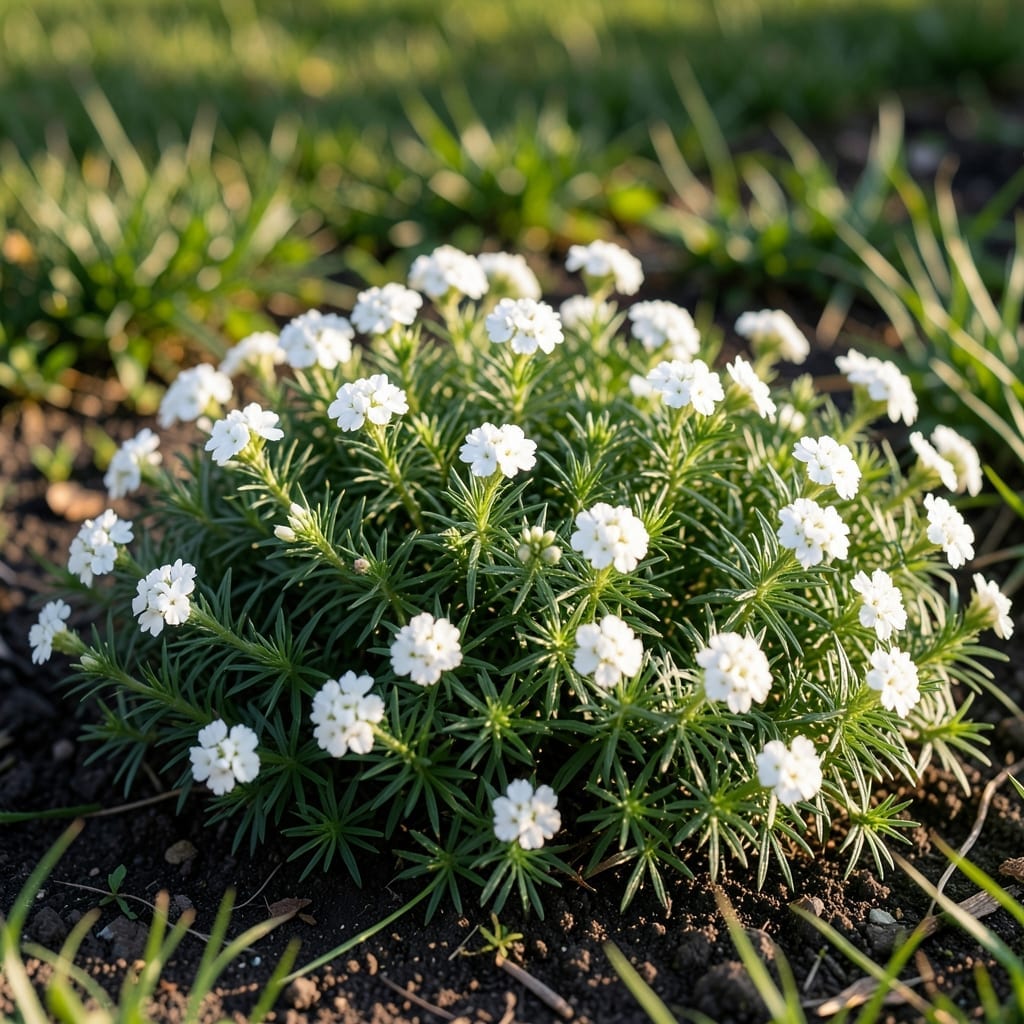
White creeping phlox turned my spring garden into a living carpet. It spreads fast, stays low, and explodes with snow-white blooms that stop neighbors in their tracks.
This ground cover thrives in sun or part shade with well-drained soil. Once established, it needs almost no maintenance and comes back thicker every year. Perfect for slopes, borders, or any spot that needs color without the fuss.
📚 In This Guide
Here’s my trusted approach to establishing this beautiful ground cover for vibrant spring blooms.
Creeping phlox thrives in full sun to partial shade, so pick a spot that gets at least 6 hours of sunlight daily. I’ve found it performs best in areas with well-draining soil—avoid low spots where water pools after rain.
If your soil is heavy clay, amend it with compost to improve drainage. This plant tolerates a range of soil types but struggles in soggy conditions. Test your site by digging a 12-inch hole and filling it with water—if it drains within 1 hour, you’re good to go.
Clear the area of weeds and debris, then loosen the soil to a depth of 6-8 inches. I like to mix in a 2-inch layer of compost to give the plants a nutrient boost. This step ensures the roots can spread easily and access the moisture they need.
Space the plants 12-18 inches apart to allow for their spreading habit. If you’re planting in rows, keep them 2 feet apart to prevent overcrowding as they mature. This spacing gives them room to fill in beautifully without competing for resources.
Dig a hole slightly wider and deeper than the root ball. Place the plant in the hole so the top of the root ball sits ½ inch above the soil line—this prevents crown rot. Backfill with soil and press lightly to remove air pockets.
Water deeply after planting to help the soil settle around the roots. I always check that the base of the plant feels firm in the ground. This ensures good contact between the roots and soil, which is critical for early establishment.
Apply a 1-2 inch layer of mulch around the plants to retain moisture and suppress weeds. Keep the mulch 2 inches away from the stems to avoid rot. I prefer organic mulch like shredded bark, which breaks down over time and enriches the soil.
Water regularly for the first 4-6 weeks until the plants are established, then reduce to once a week unless the weather is extremely dry. You’ll know they’re settled when you see new growth and the soil stays moist between waterings.
Creeping phlox spreads naturally, but you can help it along by lightly trimming the edges after flowering. This encourages thicker growth and more blooms the following season. Use clean, sharp shears to avoid tearing the stems.
Fertilize lightly in early spring with a balanced, slow-release fertilizer. I’ve found that too much fertilizer leads to excessive leaf growth at the expense of flowers. A single application is usually all this hardy plant needs.
Small details in planting make a big difference for healthy, thriving ground cover.
Location Selection: The 6 hours of sunlight daily requirement in Step 1 is non-negotiable for vibrant blooms. I learned the hard way that shady spots produce sparse flowers. Test your drainage with that 12-inch hole and 1 hour check—it’s the easiest way to avoid root rot.
Planting Depth: In Step 3, that ½ inch above soil line placement prevents crown rot. Press the soil firmly around the base—I’ve seen loose planting lead to weak root systems that struggle to establish.
Watering Wisdom: Stick to the 4-6 weeks of regular watering in Step 4. After establishment, the once a week schedule keeps roots deep and strong. Overwatering during this period creates shallow roots that can’t handle dry spells.
Mulch Placement: The 2 inches away from stems rule in Step 4 is critical. I’ve lost plants to stem rot from mulch piled too high. Organic mulch breaks down nicely, but keep it away from the base to allow airflow.
Plant in well-draining soil with full sun to partial shade. Space plants 12-18 inches apart, water thoroughly after planting, and mulch lightly to retain moisture. Spring or early fall is ideal for planting to establish roots before extreme temperatures.
This variety typically blooms in early to mid-spring, producing a carpet of white flowers. Blooms last 3-4 weeks, with occasional repeat blooms in cooler climates if properly maintained.
Consider Phlox subulata in other colors, Aubrieta (rock cress), or Thyme for similar ground cover effects. Each offers low-growing, spreading habits with vibrant blooms.
Common causes include too much shade, poor soil drainage, or over-fertilization (especially high-nitrogen). Ensure 6+ hours of sunlight, amend soil if needed, and use a balanced fertilizer sparingly.
Improve air circulation by spacing plants properly, avoid overhead watering, and remove affected foliage promptly. Fungicidal sprays or resistant varieties can help if mildew persists.