
Beautiful Plants For Your Interior
Beautiful Plants For Your Interior
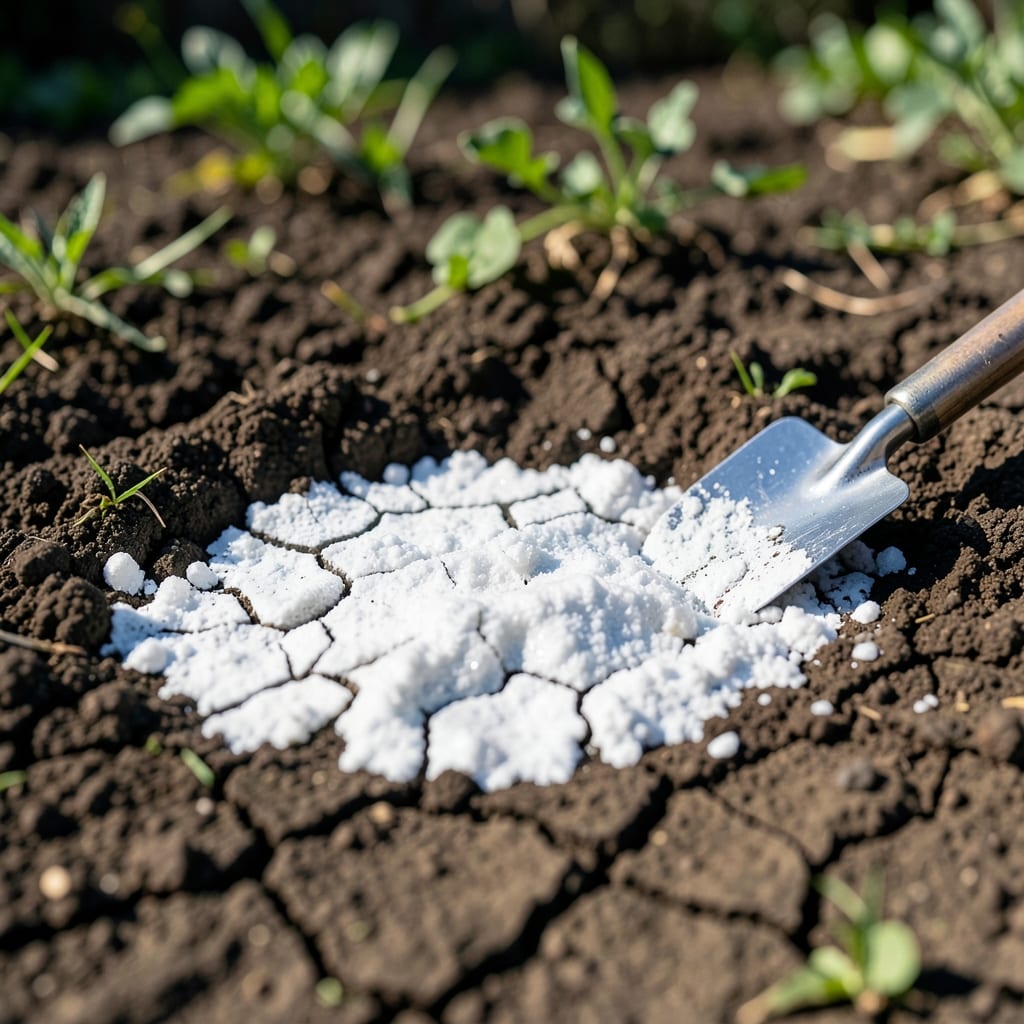
White soil stopped me in my tracks during last summer’s container check. Not the pale dryness of thirsty dirt, but a chalky coating that looked like someone had dusted my pots with flour.
Turns out this isn’t just one problem—it’s your soil screaming about 3 common issues. Fungal blooms, salt buildup from fertilizers, or even mineral deposits can all leave that telltale white film.
Here’s the thing—each cause needs a different fix. Test the soil first, because treating salt buildup like a fungus just wastes time and makes things worse.
The good news? All three problems are fixable with simple changes to your watering, feeding, or potting mix. Your plants can bounce back faster than you’d expect.
White soil can be a sign of underlying issues that disrupt its natural color and fertility. Below are the most common causes, explained with scientific precision to help you diagnose the problem.
Excessive irrigation, especially in arid regions, can lead to salt accumulation in the soil. As water evaporates, salts like sodium, calcium, and magnesium are left behind, forming a white, crusty layer on the surface. This process, known as salinization, harms plant roots by disrupting osmotic balance, making it harder for plants to absorb water.
A white, thread-like or powdery coating on soil often indicates fungal mycelium. Beneficial fungi like Trichoderma or pathogenic ones like Sclerotinia can proliferate in moist, organic-rich soils. While some fungi aid nutrient absorption, others can cause root rot or stunted growth. Check for musty odors or wilting plants to identify harmful strains.
Soils with high calcium carbonate or gypsum content may develop a chalky white appearance. This is common in limestone-derived soils or areas with hard water. While calcium is essential for plant growth, excessive deposits can raise soil pH, leading to nutrient deficiencies like iron chlorosis.
Overapplication of lime (calcium hydroxide) or certain fertilizers can leave white residues. Lime is used to neutralize acidic soils, but excess amounts can create a visible white layer. Similarly, synthetic fertilizers with high salt indices may contribute to surface crusting.
In some cases, white soil signals nutrient leaching or erosion, where topsoil is washed away, exposing subsurface minerals like silica or kaolinite. This is common in sandy or heavily tilled soils with poor structure.
If your soil has turned white, the solution depends on the underlying cause. Below are targeted fixes for each common scenario, along with prevention tips to keep your soil healthy long-term.
Fix: Flush the soil with distilled or rainwater to leach out excess salts. For potted plants, run water through the soil for 10–15 minutes, allowing it to drain freely. In garden beds, water deeply (1–2 inches) every few days until the white crust disappears.
Prevention: Use filtered or collected rainwater for irrigation. Avoid over-fertilizing, and always follow package instructions for application rates.
Fix: Remove the top layer of affected soil and replace it with fresh, sterile potting mix. For mild cases, sprinkle cinnamon (a natural antifungal) or a thin layer of compost to reintroduce beneficial microbes.
Prevention: Improve drainage by adding perlite or sand to the soil. Avoid overwatering, and ensure containers have drainage holes. Space plants properly to allow airflow.
Fix: Scrape off the white mineral crust (like lime or calcium) gently with a trowel. Adjust soil pH by mixing in sulfur (to lower pH) or lime (to raise pH), depending on your plants’ needs. Test soil pH first for accuracy.
Prevention: Use balanced fertilizers and avoid hard water for irrigation. If tap water is alkaline, switch to rainwater or distilled water for sensitive plants.
Fix: Rehydrate the soil slowly to avoid shocking plant roots. Mulch the surface with organic matter (e.g., straw or wood chips) to retain moisture and regulate temperature.
Prevention: Water consistently, especially during hot spells. Apply a 2–3 inch layer of mulch to protect the soil from extreme temperature swings.
💡 Pro Tip: Regularly check soil moisture with your finger—water when the top inch feels dry, but avoid soggy conditions.
Not always. Some white deposits are natural minerals like calcium. However, a sudden white crust often signals salt buildup or fungal growth that needs attention. Test your soil to confirm the cause.
Salt buildup looks crusty and feels gritty, while fungal growth appears powdery or thread-like. Salt won’t have an odor, but harmful fungi often smell musty. Check for wilting plants too.
Most plants bounce back quickly once the issue is resolved. Flush salts with water, replace fungal soil, or adjust pH for minerals. Consistent care usually restores health within 2-3 weeks.