
Beautiful Plants For Your Interior
Beautiful Plants For Your Interior
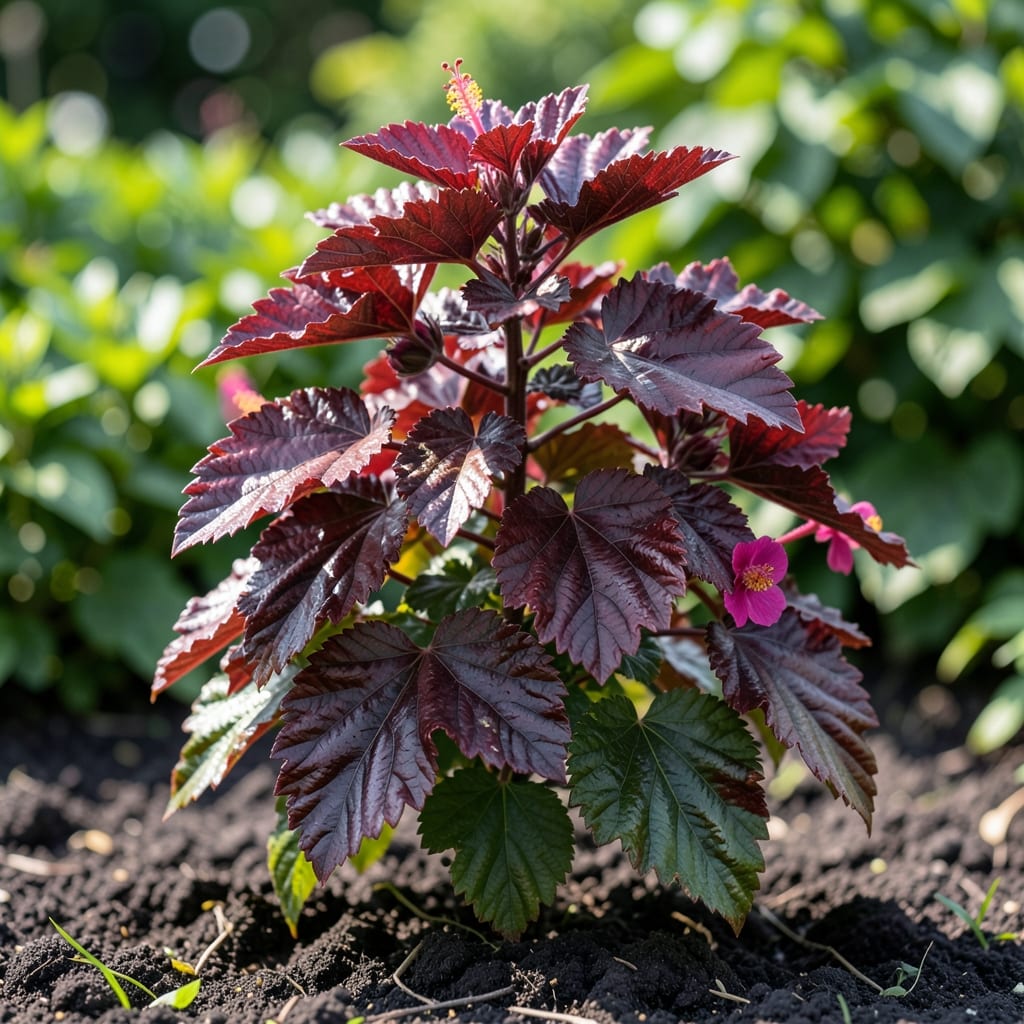
I first spotted cranberry hibiscus at a local nursery and couldn’t believe the deep red, almost purple leaves. This tropical stunner thrives with the right soil pH and sunlight, turning any garden into a vibrant showstopper.
It’s not just for looks—the leaves are edible and add a tangy twist to teas or salads. With proper care, you’ll get lush growth and bold color that lasts all season long.
📚 In This Guide
Get these conditions right and your plants will reward you with vibrant, deep red foliage all season long.
Cranberry hibiscus thrives in slightly acidic soil with a pH between 6.0 and 6.5. Use a soil test kit to check your current levels. If the pH is too high, amend the soil with sulfur according to package instructions—this lowers pH gradually over 2-3 weeks.
If your soil is too alkaline, mixing in organic matter like peat moss can help. I’ve found that retesting after 10 days ensures the adjustments are working. Avoid lime or wood ash, as these will push the pH in the wrong direction and can stunt growth.
These plants love full sun to partial shade, but the key is consistency. In hotter climates, afternoon shade prevents leaf scorch, while in cooler areas, 6-8 hours of direct sun brings out the richest color. You’ll notice the leaves deepen to a burgundy hue when light conditions are ideal.
If your cranberry hibiscus isn’t getting enough light, the leaves will stay green and growth will slow. A south-facing spot usually works best, but east or west exposures can also work if they provide steady, bright light without intense midday heat.
Dig a hole twice as wide as the root ball but no deeper. Place the plant so the top of the root ball sits slightly above the soil line—this prevents water from pooling around the stem. Backfill with native soil, pressing gently to remove air pockets.
Water deeply after planting to settle the soil, then add a 2-3 inch layer of mulch to retain moisture. Poor drainage leads to root rot, so if your soil is heavy clay, consider amending with compost or planting in raised beds.
Soil pH can shift with rain, fertilization, or organic matter breakdown. I test my soil every 3-4 months and adjust as needed. If leaves start yellowing between veins, it’s often a sign the pH has drifted out of range.
Use a pH-balanced fertilizer to avoid disrupting the acidity you’ve worked to achieve. Organic options like fish emulsion or compost tea are gentle and effective. Always water after fertilizing to help nutrients reach the roots without burning.
Regular pruning encourages new growth, which is where the deepest red leaves appear. Trim back leggy stems by one-third in early spring or after a flush of growth. Use clean, sharp shears to make cuts just above a leaf node.
This plant responds well to shaping, so don’t hesitate to prune for your desired form. Remove any yellow or damaged leaves promptly to keep the plant healthy and the foliage looking its best.
The right techniques make all the difference for vibrant foliage.
Soil pH Precision: In Step 1, that 6.0-6.5 pH range is non-negotiable for deep red leaves. I learned this the hard way after watching my first hibiscus stay stubbornly green at 7.0. Use a quality test kit—cheap ones can be off by a full point, which means the difference between thriving and struggling.
Sunlight Consistency: For Step 2, remember that 6-8 hours of direct sun is ideal in cooler climates, but afternoon shade is crucial in hotter areas. I noticed my leaves developed that rich burgundy only after I moved them from all-day sun to a spot with dappled afternoon shade. The color change is dramatic.
Drainage checkpoint: In Step 3, that 2-3 inch mulch layer isn’t just for looks—it prevents soil compaction that can suffocate roots. After planting, press down gently to remove air pockets, but don’t pack the soil. I lost a plant to root rot before realizing my “firm press” was actually creating a waterproof seal.
Maintenance Schedule: Step 4’s 3-4 month pH testing schedule might seem frequent, but I’ve seen pH swing a full point after heavy rains. Set calendar reminders—yellowing between leaf veins is your plant’s SOS signal that the pH has drifted.
Test your soil first—cranberry hibiscus thrives in slightly acidic to neutral pH (6.0–7.0). Add sulfur to lower pH or lime to raise it, mixing well into the top 6 inches of soil.
This plant loves full sun to partial shade. Aim for 6–8 hours of sunlight for vibrant foliage and healthy growth. In hot climates, afternoon shade prevents leaf scorch.
Yes! Use a well-draining potting mix and a container with drainage holes. Keep soil moist but not soggy, and fertilize lightly every 4–6 weeks during growing season.
Yellowing leaves often signal overwatering, poor drainage, or nutrient deficiencies. Check soil moisture, ensure good drainage, and feed with a balanced fertilizer if needed.
Try red leaf hibiscus, copper plant, or coleus for comparable vibrant foliage. All thrive in similar conditions and add bold color to gardens or containers.