
Beautiful Plants For Your Interior
Beautiful Plants For Your Interior
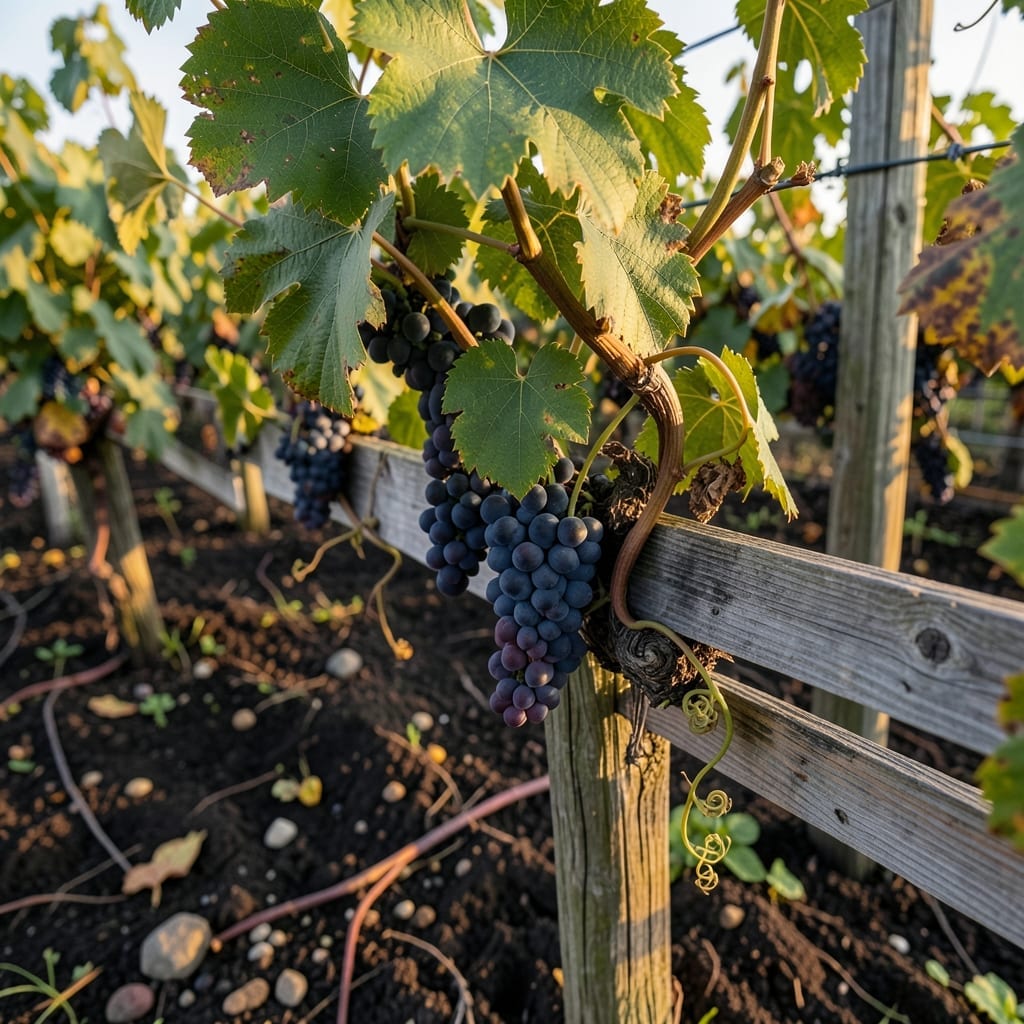
Spotted leaves on your Concord vines mean trouble brewing. I’ve lost entire crops to diseases that started with subtle signs—yellow halos, powdery coatings, or tiny black spots that spread fast.
The key is catching issues early before they overwhelm your plants. Most problems stem from moisture, poor airflow, or last season’s debris harboring spores. A little vigilance now saves weeks of heartbreak later.
Organic treatments work surprisingly well when applied at the first sign. Neem oil, copper sprays, and even baking soda solutions can stop fungal spread without harsh chemicals.
This guide helps you identify symptoms fast and treat them effectively. Your grapes can bounce back stronger with the right approach.
Understanding why diseases affect Concord grapes starts with recognizing the underlying causes. These issues often stem from a mix of environmental, biological, and cultural factors. Below are the primary reasons these diseases take hold.
Concord grapes thrive in specific conditions, and deviations can weaken the vines, making them susceptible to disease. Excessive moisture from rain or poor drainage creates a breeding ground for fungal pathogens like Phomopsis and Botrytis. On the flip side, drought stress weakens the plant’s natural defenses, leaving it vulnerable to infections. Temperature extremes—such as late spring frosts or summer heatwaves—can also damage tissues, providing entry points for bacteria and fungi.
Many grape diseases are spread by pests that act as vectors. For example, grape berry moths and leafhoppers can transmit viral diseases like Grapevine Leafroll Virus. These insects feed on the plant’s sap or tissues, introducing pathogens directly into the vine. Even seemingly harmless pests, such as aphids, can spread diseases as they move from plant to plant. Controlling these vectors is critical to preventing outbreaks.
Improper vineyard management often paves the way for disease. Overcrowding reduces airflow, which increases humidity around the foliage—a perfect environment for fungal growth. Inadequate pruning can leave dead or diseased wood on the vine, serving as a source of infection for the next season. Additionally, improper sanitation, such as failing to remove fallen leaves or fruit, allows pathogens to overwinter and reinfect the vineyard in the spring.
While Concord grapes are hardy, they are not immune to genetic vulnerabilities. Some varieties may lack resistance to specific pathogens, such as Pierce’s Disease (caused by Xylella fastidiosa) or Powdery Mildew. Growers can mitigate this by selecting disease-resistant rootstocks or cultivars when possible, though options may be limited for heirloom varieties like Concord.
Tackling Concord grape diseases early keeps your vines healthy and productive. Below are targeted solutions for common issues, paired with prevention tips to avoid future outbreaks.
Prune and destroy infected canes, leaves, and fruit immediately to stop the spread. Apply copper-based fungicides or baking soda sprays (1 tbsp baking soda + 1 tsp dish soap + 1 gallon water) every 7–10 days during wet seasons. Prevention tip: 💡 Thin out dense foliage to improve airflow and reduce humidity.
Spray affected vines with neem oil or a potassium bicarbonate solution at the first sign of yellow spots or fuzzy growth. Avoid overhead watering to keep leaves dry. Prevention tip: 🌡️ Plant in well-drained soil and space vines at least 6 feet apart for better circulation.
Cut out and burn infected wood, then disinfect pruning tools with rubbing alcohol. Apply sulfur-based fungicides in early spring before buds swell. Prevention tip: ✨ Remove fallen leaves and debris around the base of the vine to eliminate overwintering spores.
Wipe down leaves with a 1:10 milk-to-water solution or spray with sulfur dust in the evening. Avoid high-nitrogen fertilizers, which promote tender growth susceptible to mildew. Prevention tip: 🎯 Choose resistant Concord varieties and prune to open the canopy.
Hang pheromone traps in early spring to monitor and reduce adult moth populations. Apply Bacillus thuringiensis (Bt) to target larvae. Prevention tip: 🔥 Remove and destroy infested fruit clusters to break the life cycle.
Consistency is key—monitor vines weekly and act at the first sign of trouble to keep your Concord grapes thriving!
Watch for yellow halos, powdery coatings, or tiny black spots on leaves. Early detection is key to preventing spread.
Check your vines weekly during growing season. More frequent inspections may be needed after rain or high humidity.
Yes! Baking soda sprays and neem oil work well for many fungal issues. Apply at first sign of trouble.
Disinfect pruning tools between cuts and remove all fallen leaves. Proper spacing improves airflow, reducing disease risk.