
Beautiful Plants For Your Interior
Beautiful Plants For Your Interior
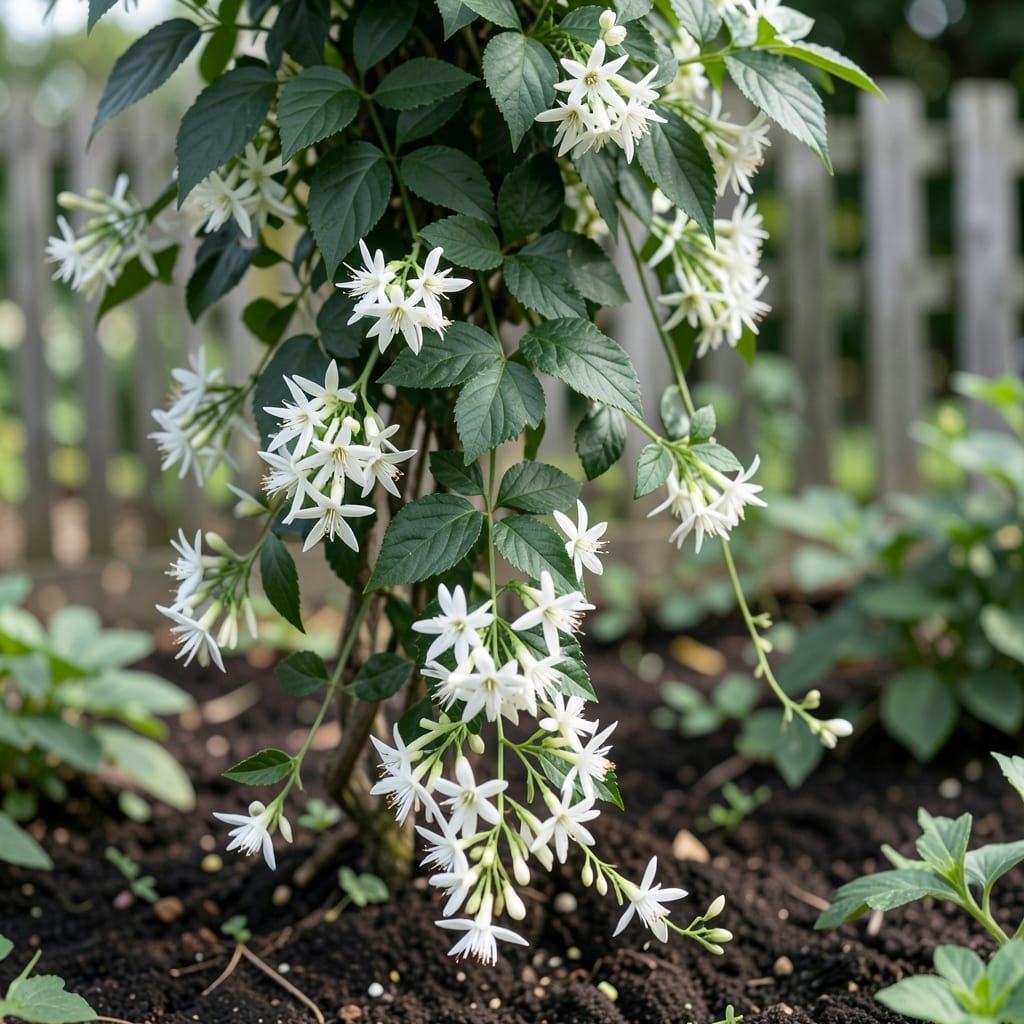
There’s nothing like the sweet scent of jasmine filling the garden on a warm evening. I fell in love with this climbing vine the first time I planted it along my back fence.
It’s surprisingly low-maintenance once established, thriving in full sun to partial shade. With the right support, it’ll grow 10-20 feet and reward you with clusters of fragrant white flowers all season long.
📚 In This Guide
Here is the method I use to grow healthy, fragrant jasmine vines every time.
Choose a location with well-draining soil and access to full sun to partial shade. Jasmine thrives in spots that receive at least 4-6 hours of sunlight daily, though it can tolerate lighter conditions. I always test soil drainage first by digging a 12-inch hole, filling it with water, and checking if it drains within 2-3 hours.
Amend the soil with organic matter like compost to improve fertility and structure. This ensures the roots establish quickly and the plant grows vigorously. Avoid heavy clay soils that retain water, as jasmine roots will rot in soggy conditions.
Dig a hole twice as wide and just as deep as the root ball of your jasmine plant. Gently remove the plant from its container, loosening any circling roots to encourage outward growth. Place the plant in the hole so the top of the root ball sits level with the surrounding soil.
Backfill the hole with native soil, pressing down lightly to eliminate air pockets. Water thoroughly after planting to settle the soil around the roots. I like to create a small basin around the base to help direct water to the root zone during the first few weeks.
Jasmine is a climbing vine that needs a sturdy support system to grow upright. Install a trellis, arbor, or fence at planting time to avoid disturbing the roots later. The support should be at least 6-8 feet tall to accommodate the vine’s mature height.
Secure the young stems to the support with soft plant ties or twine, leaving enough slack for growth. As the vine matures, it will twine around the structure on its own. I’ve found that a simple wooden trellis works best for most garden settings.
Keep the soil consistently moist but not waterlogged during the first growing season. Water deeply 1-2 times per week, allowing the top 1-2 inches of soil to dry between waterings. This encourages deep root growth and drought tolerance.
Apply a 2-3 inch layer of organic mulch, such as wood chips or shredded bark, around the base of the plant. Mulch helps retain moisture, suppresses weeds, and regulates soil temperature. Keep the mulch 3-4 inches away from the stems to prevent rot.
Prune jasmine in late winter or early spring before new growth begins. Remove any dead, damaged, or diseased wood first. Then, thin out crowded or crossing branches to improve air circulation and shape the vine.
Train the main stems along the support structure, tying them as needed to guide their growth. Regular pruning keeps the plant tidy and encourages more abundant flowering. I always step back after pruning to assess the overall shape and adjust as necessary.
These insights will help you avoid pitfalls and grow thriving jasmine vines with ease.
Site Selection Wisdom: The 4-6 hours of daily sunlight requirement is non-negotiable for abundant blooms. I learned this the hard way when my first vine struggled in a shady corner. Test your spot by marking where the sun hits during peak hours before planting.
Drainage Test Hack: That 12-inch hole test in Step 1 isn’t just busywork—it prevents root rot. If water doesn’t drain within 2-3 hours, consider raised beds or amending with sand. I’ve saved multiple plants by catching poor drainage early.
Support Strategy: Installing the 6-8 feet tall trellis at planting time (Step 3) means you won’t disturb established roots later. Use soft ties that won’t cut into stems as they thicken—I prefer old nylon stockings for their gentle flexibility.
Watering Discipline: The 1-2 times per week schedule in Step 4 works perfectly if you water deeply each time. Shallow watering creates weak roots. That 1-2 inches dry soil check is your best indicator—stick your finger in the dirt to test.
The ideal time is early spring or fall, when temperatures are mild. This allows the plant to establish roots before extreme heat or cold sets in.
Water deeply 1-2 times per week during the growing season, ensuring the soil stays moist but not soggy. Reduce watering in winter when growth slows.
Watch for aphids, spider mites, and whiteflies. Fungal issues like powdery mildew can also occur—improve airflow and avoid overwatering to prevent them.
Yes! Choose a large pot with good drainage and a trellis for support. Container-grown jasmine may need more frequent watering and feeding.
Lack of blooms can stem from insufficient sunlight, improper pruning, or nutrient deficiencies. Ensure 6+ hours of sun daily and use a balanced fertilizer.