
Beautiful Plants For Your Interior
Beautiful Plants For Your Interior
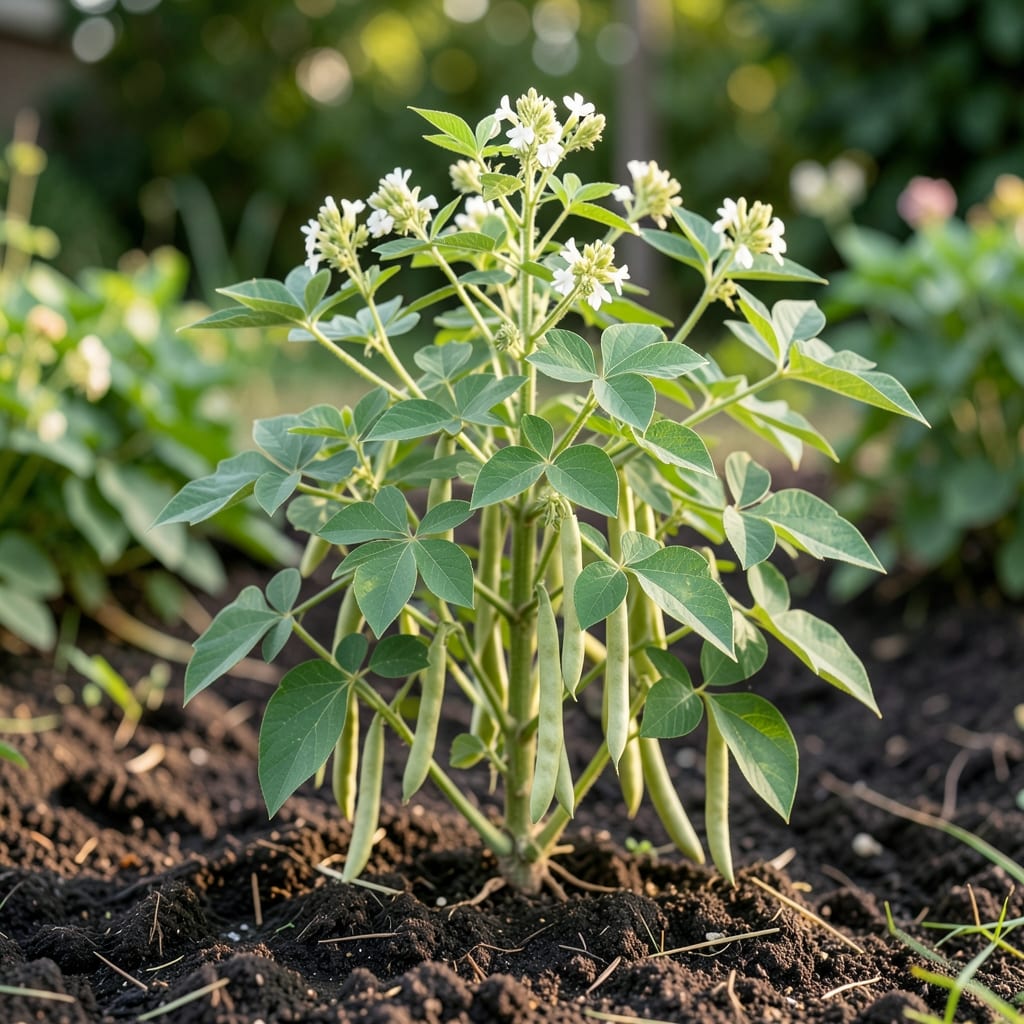
I’ve grown cluster beans for 5 seasons now, and they’re one of the most rewarding warm-weather crops in my garden.
These heat-loving plants thrive in full sun with well-draining soil, producing long pods that stay tender if harvested young. The key is consistent moisture without waterlogging, and they’ll reward you with a healthy, steady harvest.
📚 In This Guide
This method ensures vigorous plants and a bountiful yield in your garden.
Choose a location with full sun exposure, as cluster bean guar thrives with at least 6-8 hours of direct sunlight daily. The soil should be well-draining and slightly alkaline, with a pH between 7.0-8.5 for optimal growth.
Loosen the soil to a depth of 12-15 inches and remove any debris, rocks, or weeds. Incorporate organic matter like compost to improve soil fertility and structure. I always test soil drainage by digging a 1-foot hole and filling it with water—if it drains within 1-2 hours, the site is suitable.
Soak the seeds in lukewarm water for 12 hours to soften the hard outer coat and speed up germination. This step is critical—cluster bean guar seeds have a tough seed coat that can delay sprouting by weeks if not pre-treated.
Sow seeds 1 inch deep and space them 6-8 inches apart in rows that are 18-24 inches apart. Cover the seeds lightly with soil and water gently but thoroughly. You should see germination in 7-10 days if soil temperatures are between 75-85°F.
Water the plants deeply once or twice a week, depending on rainfall and soil moisture levels. Cluster bean guar is drought-tolerant but produces best with consistent moisture. I check soil by inserting my finger 2 inches deep—if it feels dry, it’s time to water.
Avoid overhead watering to prevent fungal diseases. Apply a balanced fertilizer, such as 10-10-10, at planting and again when the plants begin to flower. This ensures they have the nutrients needed for healthy pod development.
Cluster bean guar plants can grow 3-6 feet tall, so provide support like stakes or trellises if needed, especially in windy areas. Prune any damaged or yellowing leaves to direct energy toward pod production.
Watch for common pests like aphids or pod borers. I inspect the undersides of leaves weekly for early signs of infestation. If pests appear, treat with neem oil or insecticidal soap, but avoid harsh chemicals that can harm beneficial pollinators.
Harvest the pods when they are 4-6 inches long, tender, and still green. This is usually 60-70 days after sowing, depending on the variety. Use sharp scissors or pruning shears to avoid damaging the plant.
Regular harvesting encourages the plant to produce more pods. If you notice pods turning yellow or brown, harvest immediately—they’ll become tough and fibrous. Store fresh pods in the refrigerator for up to 5-7 days, or dry them for longer storage.
Small details in planting and care make the biggest difference in yield.
Sunlight Essentials: The 6-8 hours of direct sunlight daily isn’t just a suggestion—it’s critical for pod production. I’ve seen plants in partial shade grow tall but produce far fewer pods. If your garden has shaded areas, prioritize the sunniest spots for these plants.
Seed Prep Secret: Don’t skip the 12-hour soak in lukewarm water. I learned this the hard way after waiting three weeks for germination with untreated seeds. That tough seed coat needs softening to allow moisture absorption and kickstart growth.
Soil Temperature Check: For germination in 7-10 days, soil must be between 75-85°F. Use a soil thermometer to verify—cool soil will delay sprouting or cause uneven germination. If your soil is too cool, consider starting seeds indoors or using black plastic to warm the soil.
Watering Wisdom: The 2-inch finger test for soil moisture works perfectly. Cluster bean guar can handle drought, but consistent moisture during flowering and pod formation dramatically increases yield. I water deeply once or twice a week rather than light daily watering, which encourages stronger root systems.
Cluster bean guar is prone to diseases like powdery mildew, root rot, and leaf spot. Regular crop rotation and proper drainage can help prevent these issues.
The ideal time to plant cluster bean guar is during the warm season, typically in early summer when soil temperatures are consistently above 60°F (15°C).
Yes, cluster bean guar can be grown in large containers with well-draining soil. Ensure the container is at least 12 inches deep for adequate root growth.
Yellowing leaves may indicate nutrient deficiency or overwatering. Test soil pH and adjust fertilization, or reduce watering if the soil is soggy.
Alternatives include cowpea, mung bean, or pigeon pea, which offer similar nutritional benefits and are equally drought-resistant.