
Beautiful Plants For Your Interior
Beautiful Plants For Your Interior
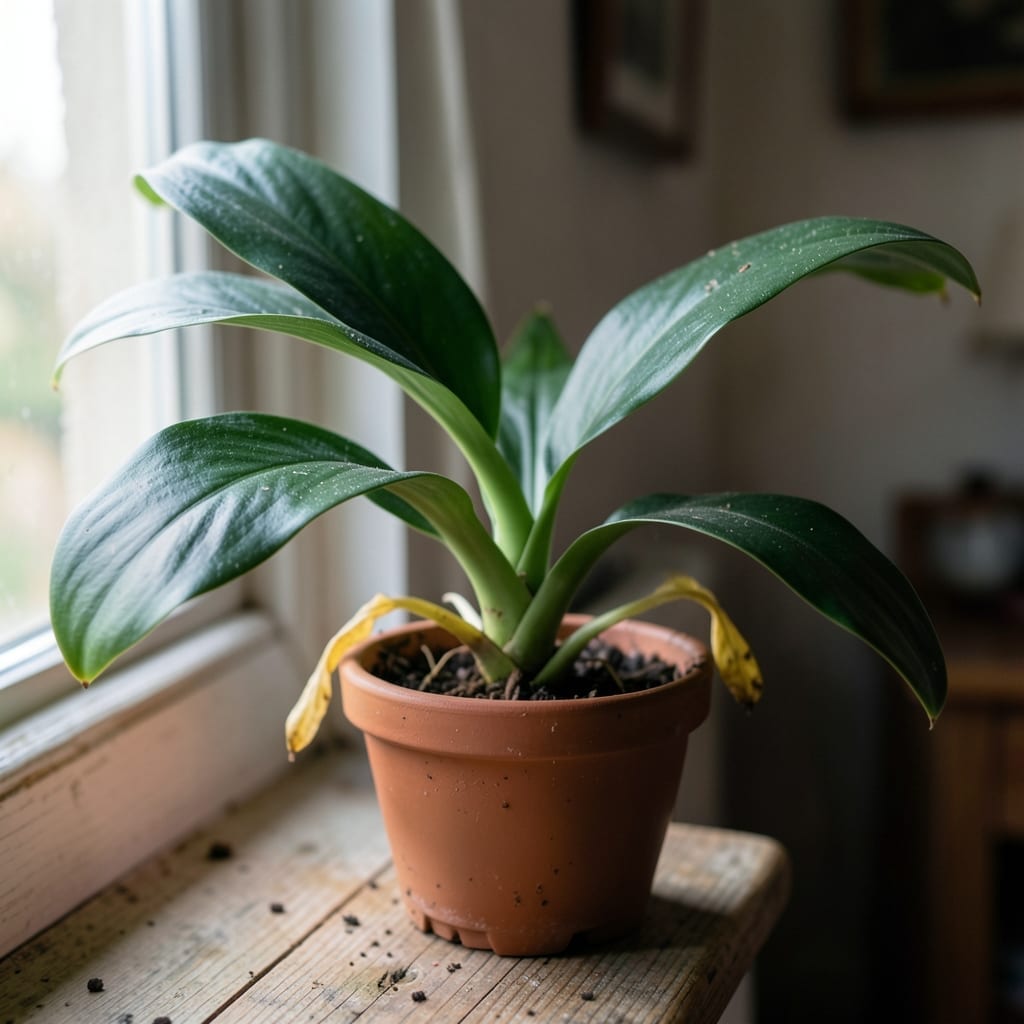
Those yellow leaves on your clivia aren’t just unsightly—they’re a distress signal. I’ve seen this exact pattern in my own plants, and the fix usually comes down to two things: water or food.
Overwatering drowns the roots, while underwatering leaves them parched. On the other hand, a nitrogen deficiency turns older leaves yellow first, while a magnesium shortage hits the newer growth. It’s like deciphering a secret code.
Once you pinpoint the issue, the solution is straightforward. Adjust your watering schedule, flush the soil if salts have built up, or add a balanced fertilizer. Your clivia will thank you with vibrant green growth in 2-3 weeks.
Prevention is even simpler: consistent care and a watchful eye. Check the soil before watering, and feed your plant every 4-6 weeks during its growing season.
Clivia plants develop yellow leaves due to several specific, actionable causes. Understanding the science behind each helps you fix the issue effectively.
Root asphyxiation is the primary culprit. When soil stays soggy, roots can’t absorb oxygen, leading to root rot. Fungi like Phytophthora thrive in waterlogged conditions, attacking roots and blocking nutrient uptake. This stress triggers chlorophyll breakdown, turning leaves yellow. Fix: Ensure pots have drainage holes and use a well-draining mix with perlite or orchid bark.
Clivias store water in their thick roots, but prolonged drought forces them to sacrifice older leaves to conserve moisture. The plant reallocates resources, causing lower leaves to yellow and wilt as they break down chlorophyll. Fix: Water when the top 1-2 inches of soil are dry, but avoid letting the soil completely dry out.
A lack of nitrogen (critical for chlorophyll production) or magnesium (a central atom in chlorophyll molecules) directly causes yellowing. Nitrogen deficiency starts in older leaves, while magnesium deficiency often appears as interveinal chlorosis (yellowing between leaf veins). Fix: Use a balanced, water-soluble fertilizer (e.g., 10-10-10) or Epsom salts (for magnesium) every 4-6 weeks during growth.
Clivias prefer bright, indirect light. Too much direct sun causes photooxidative stress, where excess light energy damages chlorophyll. Conversely, low light reduces photosynthesis, starving the plant of energy and leading to yellowing. Temperature extremes (below 50°F or above 90°F) also disrupt enzyme function. Fix: Place plants in east-facing windows or filtered light, and maintain temperatures between 60-75°F.
If your clivia’s leaves are turning yellow, act quickly with these targeted fixes for each common cause.
Let the soil dry out between waterings. Stop watering immediately and check the roots—if they’re mushy, trim the rotten parts and repot in fresh, well-draining soil. Prevention tip: Always use pots with drainage holes and a gritty mix (50% perlite or sand). 💡
Revive parched clivias with a deep soak: place the pot in a tray of water for 10–15 minutes, then let it drain. Going forward, water when the top 1–2 inches of soil feel dry. Prevention tip: Group plants together to raise humidity and reduce moisture loss. 🌡️
Feed with a balanced, water-soluble fertilizer (10-10-10 or 20-20-20) diluted to half strength every 4–6 weeks during active growth. For nitrogen deficiency (pale yellow leaves), switch to a higher-nitrogen formula. Prevention tip: Refresh the soil every 2–3 years to replenish nutrients. ✨
Move your clivia to bright, indirect light—east or north-facing windows are ideal. If leaves show sunburn (bleached or crispy patches), trim the damaged foliage to redirect energy. Prevention tip: Use sheer curtains to diffuse harsh afternoon sun. 🎯
Keep clivias in a stable environment (60–75°F). Avoid cold drafts or heat sources like radiators. If yellowing follows a temperature swing, move the plant to a more consistent spot. Prevention tip: Avoid placing near frequently opened doors or windows in winter. 🌡️
Water when the top 1-2 inches of soil feel dry, typically every 7-10 days. Ensure pots have drainage holes to prevent root rot.
Unfortunately, no. Once leaves yellow, the chlorophyll is gone. Focus on fixing the root cause so new growth stays healthy and vibrant green.
Use a balanced liquid fertilizer like 10-10-10 or 20-20-20, diluted to half strength every 4-6 weeks during active growth.
This often signals a nitrogen deficiency. The plant reallocates nitrogen to newer growth, causing older leaves to yellow first.