
Beautiful Plants For Your Interior
Beautiful Plants For Your Interior
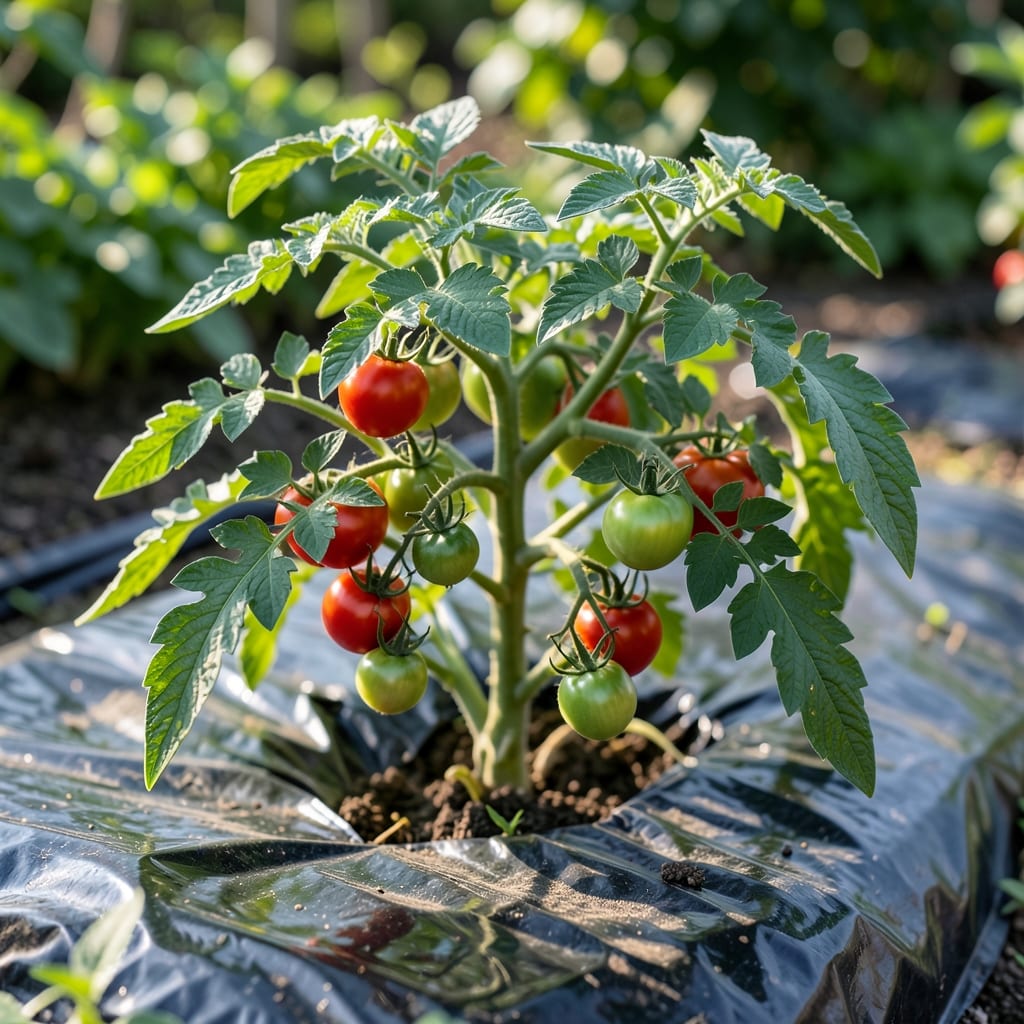
Clear black plastic is often used in gardening for weed suppression and soil warming, but medical-grade versions are required for food or healthcare applications to avoid chemical leaching.
In gardening, this material creates a barrier that blocks light while retaining heat, which accelerates early-season growth for crops like tomatoes and peppers. Medical applications demand stricter standards though, as regular grades may release toxins when exposed to body fluids or high temperatures. I always recommend verifying certifications for any healthcare use to prevent contamination risks. ✨
💡 In This Article
The dark color absorbs sunlight and converts it into heat, raising soil temperatures by 10-15°F compared to bare ground. This creates a microclimate that extends the growing season by 2-4 weeks for heat-loving plants. The plastic also blocks light, preventing weed photosynthesis while allowing water and nutrients to pass through. 🌱
Moisture retention improves because the barrier reduces evaporation by up to 50%. This is especially valuable in arid climates where water conservation is critical. However, the impermeable nature can also lead to waterlogging if drainage isn’t properly managed. The temperature boost accelerates microbial activity, increasing nutrient availability for plant roots.
What many gardeners don’t realize is that clear black plastic also modifies soil chemistry. The warmth stimulates the release of nitrogen and other nutrients from organic matter. For crops like tomatoes, this means faster germination and more robust early growth.
I’ve seen pepper plants under plastic mulch reach harvestable size 30% faster than those in bare soil. ✨
The plastic’s light-blocking property creates a “clean” growing environment by eliminating competing weeds. This reduces the need for herbicides by 80-90% in many cases. The black color specifically absorbs the full light spectrum, making it more effective than clear or colored alternatives for weed suppression. This is why it’s a staple in commercial agriculture.
However, the material’s durability can become a drawback. Standard grades may take 20-50 years to decompose, leading to microplastic pollution. The heat accumulation can also stress heat-sensitive plants if not monitored. For best results, I recommend using 1-2 mil thickness plastic and removing it at season’s end to prevent soil compaction.
No, standard grades aren’t food-safe as they may leach chemicals. Only use plastic labeled FDA-approved for direct food contact to prevent contamination.
Typically 1-2 seasons for agricultural use before UV degradation. Thicker 4-6 mil versions may last up to 5 years with proper care.
Check local facilities as most accept #1-7 plastics. Clean thoroughly first to remove dirt or residues. Many centers require separation from other waste.
Black blocks light for weed control while clear allows light through. Black also warms soil more effectively by absorbing heat. Both prevent moisture loss.
Best for heat-loving crops like tomatoes and peppers. Avoid using under cool-season plants like lettuce that prefer lower temperatures. Monitor soil moisture carefully.