
Beautiful Plants For Your Interior
Beautiful Plants For Your Interior
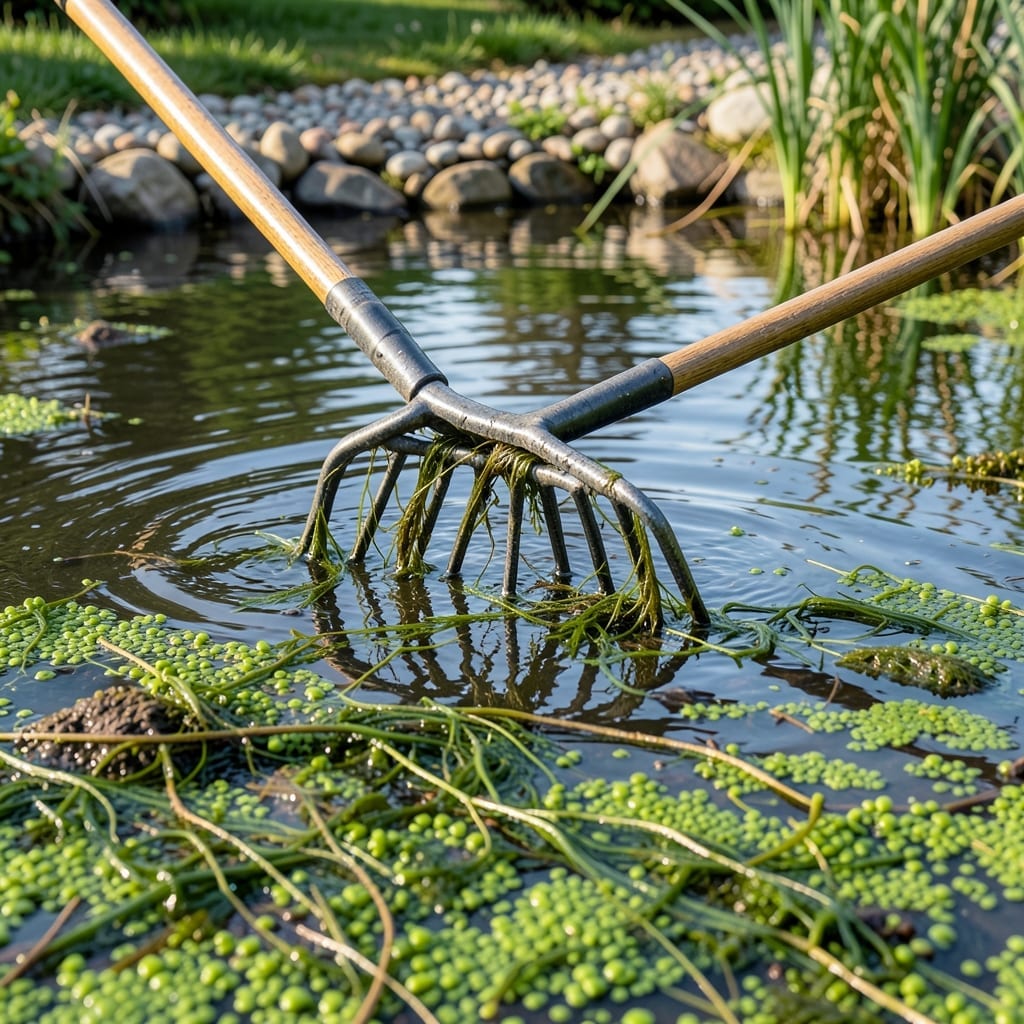
Struggling with Lake Weed 🌾 that chokes your waterfront? It’s more than an eyesore—it disrupts swimming, fishing, and boating.
I’ve seen firsthand how overgrown weeds can turn a peaceful lake into a frustrating mess. The good news? The right approach can bring back that crystal-clear water you love.
From manual rakes to more efficient mechanical tools, there’s a solution for every situation. I’ll walk you through the best options so you can discover what works for your needs.
Let’s tackle this together and restore your lake to its natural beauty. You’ll be back to enjoying the water in no time.
If you’re dealing with overgrown lake weeds, the right tool can make all the difference. I’ve found that mechanical tools like rakes and cutters are great for small-scale removal, while larger machines handle extensive infestations more efficiently. 🌿
Each type of lake weed removal tool has its own strengths. Manual tools are eco-friendly and precise, but they require physical effort. On the other hand, chemical treatments work quickly but may impact aquatic ecosystems. 🌱
| Tool Type | Best For | Pros | Cons |
|---|---|---|---|
| Weed Rake | Small lakes, shallow areas | Eco-friendly, precise | Labor-intensive |
| Weed Cutter | Medium-sized infestations | Fast, efficient | Requires maintenance |
| Harvester Machine | Large lakes, heavy growth | Handles bulk removal | Expensive, bulky |
| Chemical Treatments | Stubborn weeds | Quick results | Environmental concerns |
I always recommend starting with a weed rake for smaller areas. It’s a simple, cost-effective solution that lets you target weeds without disturbing beneficial aquatic plants. Plus, it’s a great workout!
For larger lakes, a weed cutter or harvester machine might be necessary. These tools can cover more ground and are ideal for seasonal maintenance. Just be sure to follow local environmental regulations when using them.
Chemical treatments should be a last resort. While they can eliminate weeds quickly, they may also harm fish and other wildlife. If you choose this route, opt for eco-friendly herbicides and apply them carefully.
In my experience, prevention is key. Regularly removing weeds before they spread and seed can save you a lot of hassle down the line. A little effort now means less work later and a healthier lake ecosystem.
Another tip: combine methods for the best results. For example, use a weed rake for spot treatment and a cutter for larger areas. This approach keeps your lake clean and balanced without over-relying on any single tool.
Don’t forget about safety gear. Gloves, long sleeves, and protective eyewear are essential when handling weeds or chemicals. Safety first ensures you can enjoy your lake for years to come.
Finally, consistency is crucial. Make lake maintenance a regular part of your routine, and you’ll find that keeping weeds under control becomes much easier over time. ✂️
Selecting the right lake weed removal tool starts with knowing your lake size and weed type. Small ponds may only need a manual rake, while larger areas often require mechanical cutters or specialized machines. 🌿
Your budget and environmental goals matter too. Chemical treatments work fast but can harm fish, while natural methods take longer but are eco-friendly. Always weigh effectiveness against long-term impact.
🌱 Key Takeaway
Match your tool choice to your lake size, weed type, and eco-values for the best results.
For shallow areas, a hand rake or weed cutter is ideal. These tools let you target specific patches without disturbing the entire ecosystem. They’re also low-cost and easy to store.
If you’re dealing with large infestations, consider a mechanical harvester. These machines cut and collect weeds efficiently, though they’re pricier. They’re perfect for community lakes or commercial properties.
Environmental safety should guide your decision. Avoid chemical herbicides if your lake supports wildlife or native plants. Instead, opt for biodegradable options or physical removal methods.
Finally, think about maintenance. Manual tools need regular cleaning, while mechanical ones require seasonal servicing. Proper care extends your tool’s life and keeps your lake weed-free longer. 🌾