
Beautiful Plants For Your Interior
Beautiful Plants For Your Interior
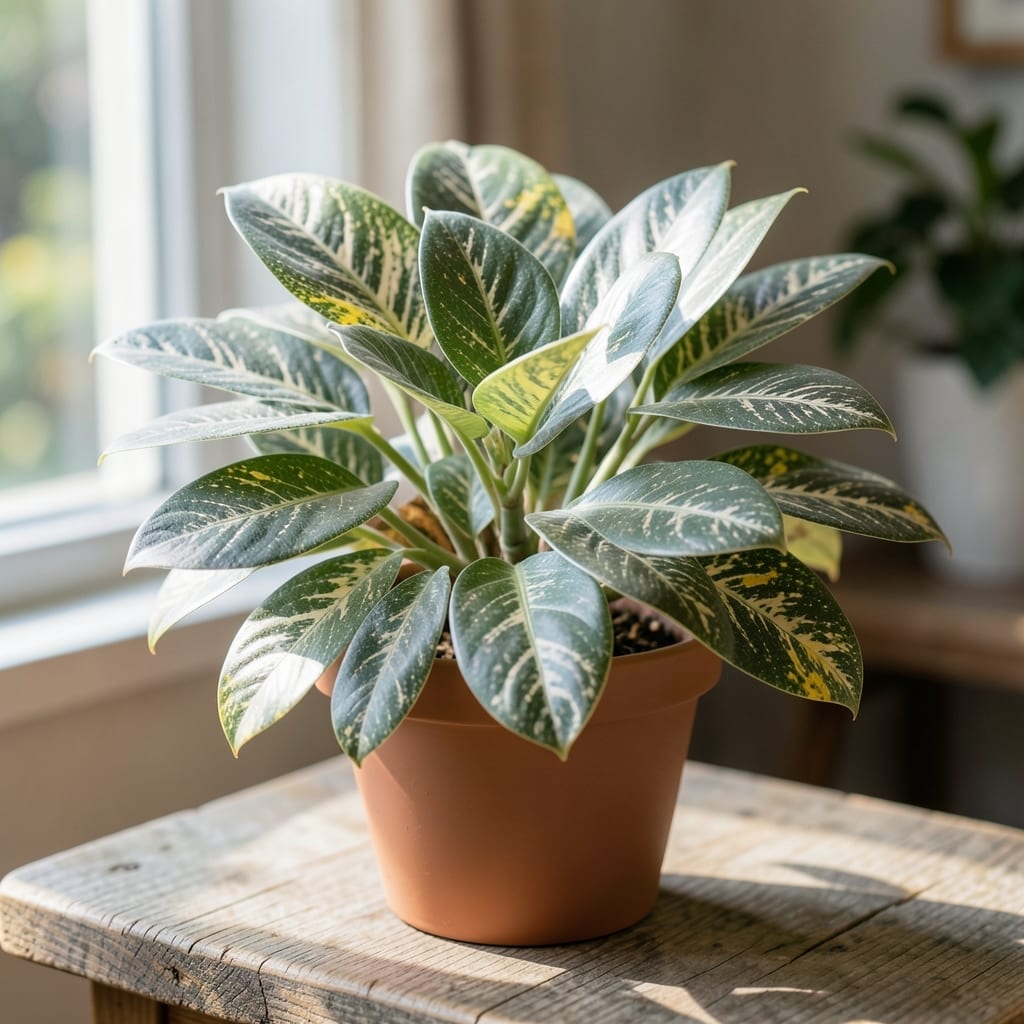
Yellow leaves on your Chinese evergreen aren’t a death sentence. I’ve nursed dozens back to health by fixing the most common culprits: too much water, too little light, or hungry roots.
This plant tells you exactly what it needs if you know how to read the signs. Drooping yellow leaves usually mean overwatering, while pale yellow across the whole plant screams for more light or nutrients.
Within 2-3 weeks of adjusting care, you’ll see fresh green growth replacing the yellow. The fix is often simpler than you think—just a tweak to your routine.
Works for all varieties, from silver bay to emerald beauty. Here’s how to diagnose and fix it for good.
Chinese evergreens (Aglaonema) develop yellow leaves due to several environmental or care-related stressors. Below are the most common causes, explained with actionable insights.
Excess moisture suffocates the roots, preventing oxygen uptake and leading to root rot. This triggers chlorosis (yellowing) as the plant struggles to absorb nutrients like nitrogen and magnesium. Fix: Let the top 1–2 inches of soil dry out between waterings, and ensure pots have drainage holes.
These tropical plants thrive in bright, indirect light. Too little light slows chlorophyll production (essential for green pigment), while direct sunlight can scorch leaves, causing yellow patches. Fix: Place near an east- or north-facing window, or use a sheer curtain to filter harsh rays.
Yellow leaves often signal a lack of nitrogen (uniform yellowing) or magnesium (yellowing between leaf veins). Overwatering or poor soil can leach these nutrients. Fix: Use a balanced, water-soluble fertilizer (10-10-10) every 4–6 weeks during growing season.
Chinese evergreens prefer 65–80°F (18–27°C). Drafts, vents, or sudden drops below 55°F (13°C) disrupt cellular function, causing yellowing. Fix: Keep plants away from AC units, heaters, or cold windows.
Spider mites and mealybugs sap plant juices, weakening the foliage. Their damage often appears as yellow stippling or webbing. Fix: Wipe leaves with neem oil or insecticidal soap weekly until pests are gone.
If your Chinese evergreen is sporting yellow leaves, don’t panic—there are clear fixes for each common cause. Below are targeted solutions, plus prevention tips to keep your plant thriving long-term.
Stop watering immediately and check the soil. If it’s soggy, remove the plant from its pot and let the roots air-dry for a few hours. Repot in fresh, well-draining soil and a container with drainage holes. Prevention tip: Water only when the top 1-2 inches of soil are dry. 💡
Move your plant to a spot with bright, indirect light—east or north-facing windows are ideal. Avoid harsh direct sun, which can scorch leaves. Prevention tip: Rotate the pot every few weeks for even growth. ✨
Use a balanced, water-soluble houseplant fertilizer (10-10-10 or 20-20-20) diluted to half strength. Feed every 4-6 weeks during spring and summer. Prevention tip: Avoid fertilizing in winter when growth slows. 🌱
Keep your Chinese evergreen in a room between 65–80°F (18–27°C) and away from drafts, vents, or cold windows. Prevention tip: Mist leaves occasionally to boost humidity if your home is dry. 💧
Wipe leaves with a damp cloth to remove spider mites or mealybugs. For stubborn infestations, use insecticidal soap or neem oil. Prevention tip: Isolate new plants for 2 weeks to prevent pest spread. 🎯
Water only when the top 1-2 inches of soil are dry. Overwatering is the most common cause of yellowing, so always check moisture levels first.
Once leaves turn yellow, they won’t recover. Focus on fixing the underlying issue to prevent new leaves from yellowing. Remove affected leaves to redirect energy.
Bright, indirect light is ideal. East or north-facing windows work best. Avoid direct sun, which can scorch already stressed foliage.
With proper care adjustments, you should see fresh green growth within 2-3 weeks. Consistency in water, light, and temperature speeds up recovery.