
Beautiful Plants For Your Interior
Beautiful Plants For Your Interior
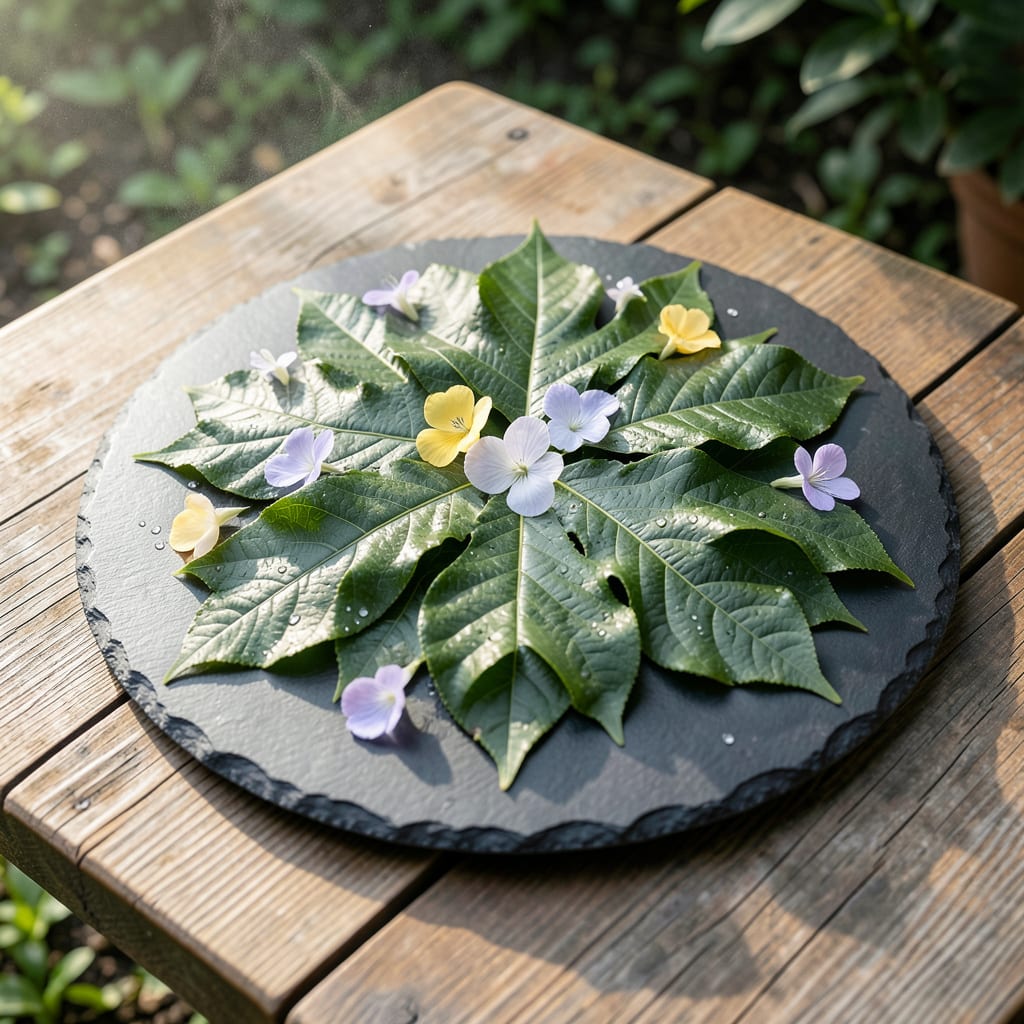
Chinese chestnut leaves tell the story before the nuts do. I learned to read their deep green, serrated edges like a tree’s health report—glossy means happy, yellowing means trouble.
These leaves fuel the tree’s growth and nut production, so keeping them vibrant and disease-free is non-negotiable. A few simple habits—proper watering, good airflow—make all the difference.
📚 In This Guide
Here’s my proven approach to maintaining vibrant, disease-resistant leaves all season long.
As temperatures rise above 50°F, watch for new leaf buds to swell and unfurl. Chinese chestnut leaves emerge with a bronze tint before maturing to deep green. Inspect daily for signs of distortion or discoloration—early detection prevents pest outbreaks.
I check the undersides of new growth for tiny aphid clusters or webbing, which indicate spider mites. A strong blast of water from the hose dislodges most soft-bodied pests before they establish. This simple step saves weeks of treatment later.
Position trees where they receive full sun to partial shade, with at least 6 hours of direct sunlight daily. Dappled afternoon shade in zones 7-9 prevents leaf scorch during heatwaves. Thin nearby branches if the canopy becomes too dense—good airflow is critical.
Poor circulation leads to fungal diseases like leaf spot, which appear as brown patches with yellow halos. I prune crossing branches in late winter to open the center of the tree. Space multiple trees 20-30 feet apart to ensure proper air movement.
Chinese chestnuts prefer well-draining, slightly acidic soil (pH 5.5-6.5). Water deeply when the top 2 inches of soil feel dry, providing about 1-1.5 inches of water weekly during the growing season. Mulch with 2-3 inches of organic matter to retain moisture.
Inconsistent watering causes leaf drop or premature yellowing. I use a soaker hose to deliver water directly to the roots, keeping foliage dry to prevent fungal issues. During drought, prioritize mature trees over younger ones—they recover more slowly from stress.
Remove dead or diseased branches immediately, sterilizing tools with rubbing alcohol between cuts. Apply a balanced, slow-release fertilizer (10-10-10) in early spring as leaves begin to expand. Avoid high-nitrogen formulas late in the season—they promote tender growth susceptible to frost damage.
Yellowing between leaf veins often signals iron deficiency. I address this with a foliar spray of chelated iron, applied in the early morning when stomata are open. Test soil before amending—over-fertilizing can burn roots and worsen leaf health.
In late summer, reduce watering slightly to harden off new growth before winter. Chinese chestnut leaves turn golden-brown in fall—this is normal. Rake and remove fallen leaves promptly to prevent overwintering pests and diseases.
Before frost, apply a 2-4 inch layer of mulch around the base to insulate roots. Young trees benefit from a burlap wrap around the trunk to prevent sunscald. Watch for late-season leaf drop, which can indicate water stress or early frost damage.
Small adjustments make a surprising difference in foliage health.
Temperature Awareness: That 50°F threshold in Step 1 isn’t arbitrary—below this, leaf buds remain dormant. I’ve seen enthusiasts plant too early in cooler microclimates, only to watch their trees struggle with stunted growth. A soil thermometer is worth the investment.
Sunlight Strategy: The 6 hours of direct sunlight mentioned in Step 2 is your minimum, not maximum. In zones 7-9, afternoon shade becomes crucial during summer heatwaves. I position my trees where they get morning sun and dappled afternoon shade—this prevents leaf scorch while maintaining vigorous growth.
Watering Wisdom: When Step 3 advises checking the top 2 inches of soil, resist the urge to water on a strict schedule. Chinese chestnuts prefer the “feast or famine” approach—deep watering when dry, then letting the soil approach dryness again. This mimics their native conditions and prevents root rot.
Pruning Precision: The late winter timing for pruning in Step 4 serves two purposes: it’s before new growth starts but after the worst frost danger. Sterilizing tools between cuts isn’t just good practice—it’s critical with chestnuts, as they’re particularly susceptible to canker diseases that spread through contaminated pruners.
Chinese chestnut tree leaves are oblong, glossy, and dark green with serrated edges. They typically grow 4-8 inches long and have a leathery texture. In autumn, they turn vibrant shades of yellow or orange before shedding.
Leaves usually appear in early spring, around March or April, depending on the climate. They follow the tree’s blooming period and reach full size by early summer. Warmer regions may see leaves emerge slightly earlier.
Look for yellowing, brown spots, or premature dropping, which may indicate pests, disease, or poor growing conditions. Leaf curl or wilting often signals water stress or fungal issues. Regular inspection helps catch problems early.
Yes! American chestnut or horse chestnut trees offer comparable foliage and appearance. For a smaller option, consider Japanese chestnut or even certain oak varieties for a similar look.
