
Beautiful Plants For Your Interior
Beautiful Plants For Your Interior
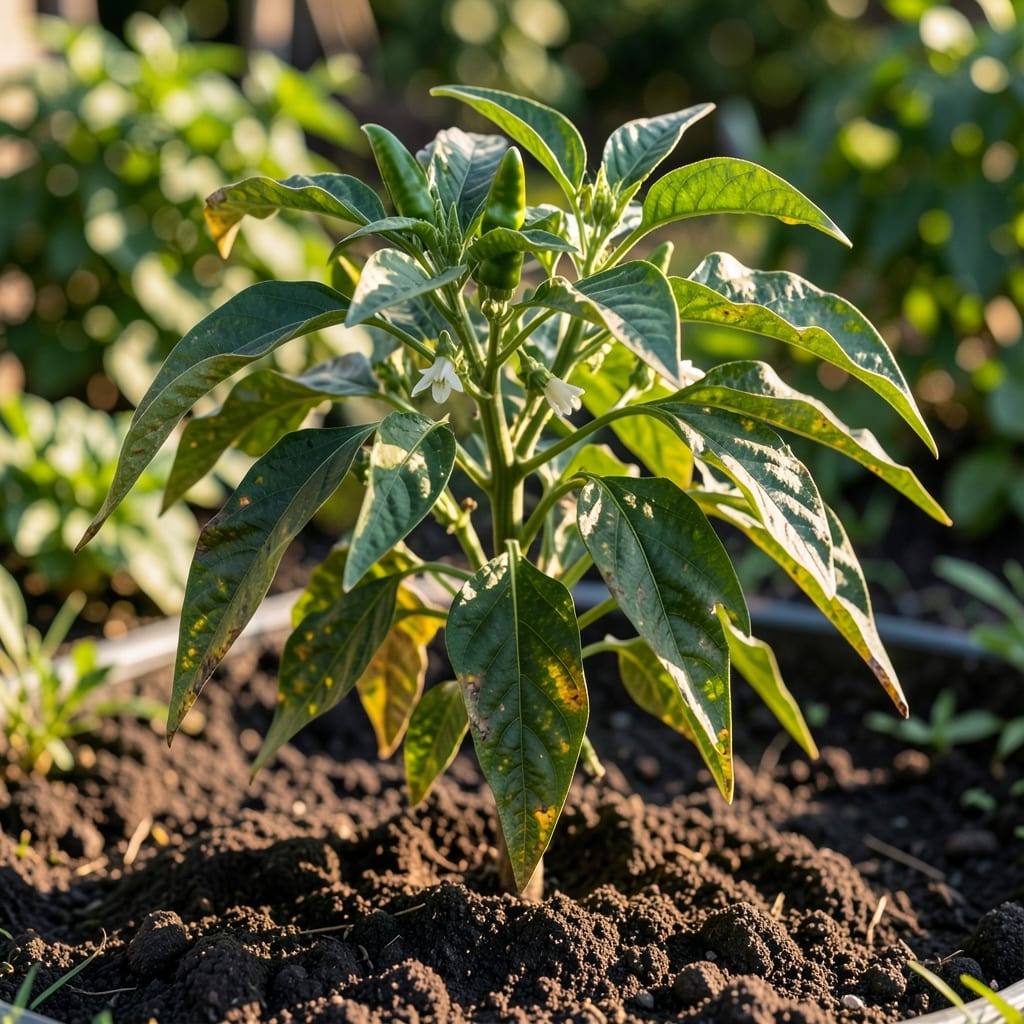
Your chilli plant’s leaves shouldn’t look like tiny tacos. I’ve seen this happen mid-summer, and it’s usually a sign your plant is trying to tell you something’s off with water, light, or pests.
First, check the soil—too dry or too soggy, and those leaves start curling like they’re shy. Aphids and whiteflies love chilli plants too, so inspect the undersides for tiny invaders.
Once you spot the issue, fixes are straightforward: adjust watering, move the plant for better light, or blast pests off with water. Your plant bounces back fast when you act quickly.
Prevention’s simpler than treatment. Keep the soil consistently moist, give it 6-8 hours of sun, and watch like a hawk for early pest signs.
Chilli plant leaves curl for several reasons, often tied to environmental stress or care mistakes. Below are the most common causes, explained simply so you can diagnose and fix the issue. 🌱
Chilli plants thrive in warm climates, but excessive heat (above 90°F/32°C) or inconsistent watering can cause leaves to curl inward to reduce surface area and water loss. Underwatering leads to dry, crispy edges, while overwatering suffocates roots, preventing nutrient uptake. Both extremes disrupt the plant’s ability to regulate moisture.
As tropical natives, chilli plants prefer humidity levels around 50–70%. Dry air (common indoors or in arid regions) forces leaves to curl to conserve moisture. This is especially true for young seedlings or varieties like Capsicum annuum, which are sensitive to low humidity.
Sap-sucking pests like aphids, whiteflies, or spider mites drain nutrients from leaves, causing them to distort and curl. Check the undersides of leaves for tiny insects or webbing. These pests also introduce toxins that further stress the plant.
A deficiency in magnesium, calcium, or potassium can trigger leaf curling. Magnesium (essential for chlorophyll) causes interveinal yellowing, while calcium shortages lead to stunted, deformed new growth. Over-fertilization, particularly with nitrogen, can also cause leaves to curl from excess salt buildup in the soil.
Strong winds or drafts (e.g., near fans or open windows) physically damage leaves, forcing them to curl as a protective response. This is common in outdoor plants or poorly ventilated indoor setups.
When your chilli plant’s leaves start to curl, quick action can save your harvest. Below are targeted fixes for the most common causes, along with prevention tips to keep your plant thriving.
Fix: Check the soil moisture by inserting your finger 1-2 inches deep. If it’s bone-dry, water thoroughly until it drains from the bottom. If soggy, let the soil dry out and improve drainage by adding perlite or sand. Use pots with drainage holes to avoid root rot.
Prevention: Water only when the top inch of soil feels dry. A moisture meter can help take the guesswork out. 💡
Fix: Inspect the undersides of leaves for aphids, spider mites, or whiteflies. Spray them off with a strong jet of water or apply neem oil or insecticidal soap every 3-5 days until pests are gone. For severe cases, introduce beneficial insects like ladybugs.
Prevention: Regularly mist leaves to deter pests and keep the area around your plants clean of debris. ✨
Fix: If leaves curl from too much heat or direct sunlight, move the plant to a shadier spot, especially during peak afternoon hours. For cold stress, bring potted chillies indoors or use a cloche to retain warmth.
Prevention: Maintain consistent temperatures (70-85°F during the day, 60-70°F at night) and provide bright, indirect light. A simple shade cloth can work wonders. 🌡️
Fix: Yellowing leaves with curled edges often signal a lack of nitrogen, magnesium, or potassium. Use a balanced, water-soluble fertilizer or amend the soil with compost. For magnesium, try Epsom salt (1 tablespoon per gallon of water) as a foliar spray.
Prevention: Feed your chilli plants every 2-4 weeks during the growing season with a fertilizer high in potassium and phosphorus to support fruiting. 🎯
Fix: Shield plants from strong winds or heavy rain by relocated them to a sheltered area or using a windbreak. Prune damaged leaves to redirect energy to healthy growth.
Prevention: Place plants in a spot protected from harsh elements, or use stakes for support. Staking also helps prevent stem breakage. ✨
Water when the top 1 inch of soil feels dry. Typically, this means 2-3 times per week in hot weather, less in cooler conditions.
Yes, if you address the cause quickly. New growth will appear normal once conditions improve, though damaged leaves may stay curled.
Aim for 50-70% humidity. Use a humidity tray or mist leaves if your air is too dry, especially indoors.
Only if they’re severely damaged. Otherwise, leave them—they still photosynthesize. Prune only yellow or dead foliage.