
Beautiful Plants For Your Interior
Beautiful Plants For Your Interior
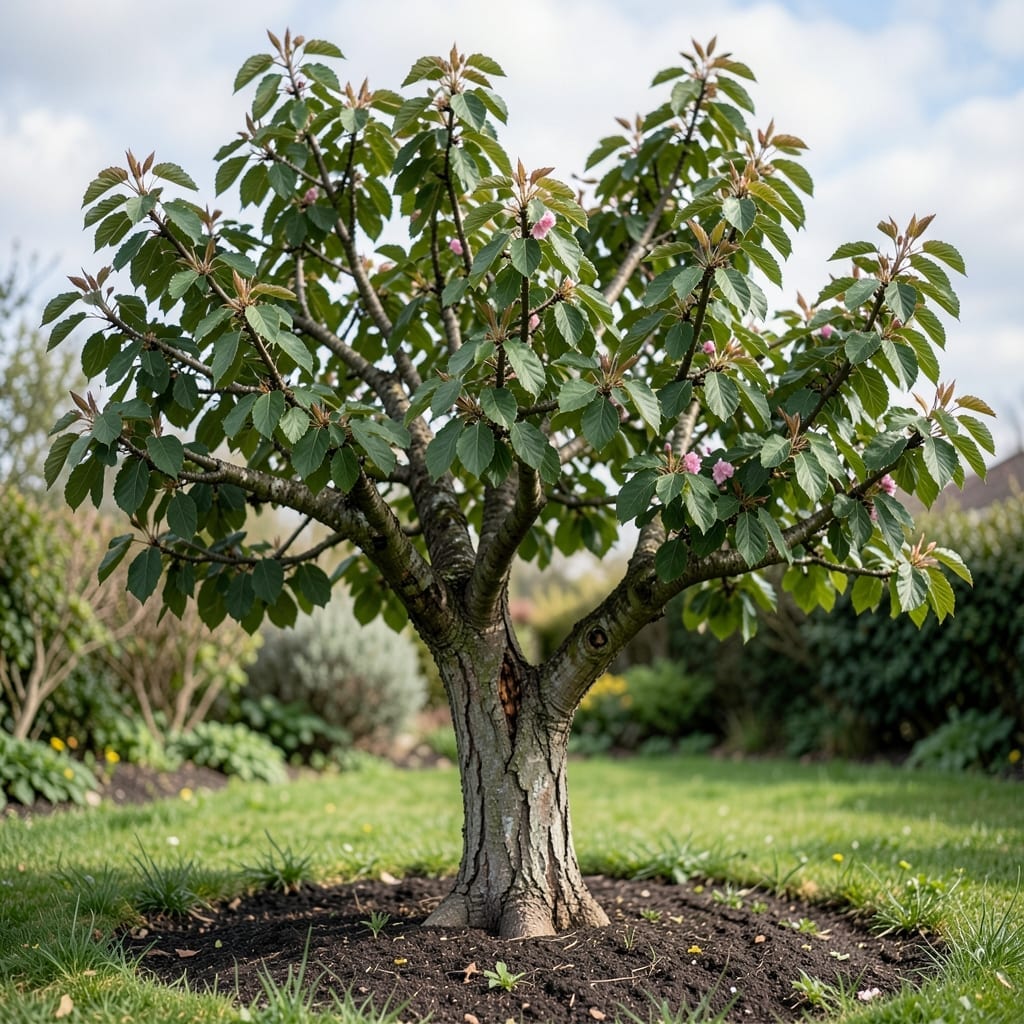
Split bark on a cherry tree looks alarming, but it’s often fixable. I’ve seen this happen most after sudden temperature swings, where the outer bark can’t expand fast enough to keep up with the inner growth.
The damage usually appears as vertical cracks, often on the tree’s south or southwest side. Catching it early means the tree has a much better chance of healing itself with the right care.
Repair starts with cleaning the wound and removing any loose bark. This prevents pests and disease from moving in while the tree recovers naturally.
With proper treatment, most cherry trees bounce back within a season, sealing the split and growing new bark over the area.
Cherry trees are prized for their beauty, but split bark can mar their appearance and compromise their health. Understanding why this happens is the first step to prevention. Below are the most common causes, explained in simple, scientific terms.
One of the leading causes of split bark in cherry trees is sunscald. During winter, the tree’s bark warms up on sunny days and rapidly cools at night. This thermal shock causes the bark to expand and contract unevenly, leading to cracks. Young trees with thin bark are especially vulnerable, as their outer layers lack the insulation mature trees develop over time.
Similar to sunscald, frost cracks occur when water in the tree’s cells freezes and expands, creating pressure that splits the bark vertically. This often happens on the tree’s south or southwest side, where winter sun exposure is most intense. Cherry trees in colder climates (USDA Zones 4-6) are at higher risk, particularly if they’re not properly mulched or wrapped.
Both overwatering and drought can weaken a cherry tree’s bark. Too much moisture softens the bark, making it prone to splitting under stress. Conversely, prolonged dry spells cause the bark to dry out and become brittle, increasing its susceptibility to cracks. Maintaining consistent soil moisture (not soggy, not bone-dry) helps prevent this issue.
Pathogens like Cytospora or Bacterial Canker can infect cherry trees through wounds or weak spots, leading to bark splitting as the tree’s tissue breaks down. Infected areas often ooze sap or develop dark, sunken lesions. Proper sanitation (removing infected branches) and fungicidal treatments can mitigate this risk.
Accidental injuries from lawnmowers, weed whackers, or even improper pruning can create entry points for splits. Even small wounds disrupt the bark’s integrity, making it easier for cracks to form. Always use caution when working near the tree’s base and sterilize pruning tools to avoid spreading disease.
Split bark on a cherry tree can be alarming, but with the right steps, you can help your tree heal and prevent further damage. Below are practical solutions tailored to the most common causes, along with prevention tips to keep your cherry tree thriving.
If the split is caused by extreme temperature fluctuations, start by pruning away loose or jagged bark with clean, sharp shears to create a smooth edge. Avoid removing healthy bark. Next, wrap the affected area with tree wound dressing or a breathable tree wrap to protect it from further damage. In late winter, apply a light-colored tree guard or white latex paint to the trunk to reflect sunlight and reduce temperature swings.
Prevention tip: 💡 Mulch around the base of the tree to insulate the roots and maintain consistent soil temperature.
For splits caused by lawnmowers, animals, or other physical impacts, clean the wound by removing any dirt or debris with a soft brush. Use a pruning knife to trim the bark edges neatly, then apply a tree-sealing compound to prevent infection. If the damage is extensive, consider staking the tree for support until it stabilizes.
Prevention tip: 🎯 Install a protective barrier, like a wire cage or plastic guard, around the trunk to shield it from future harm.
If the split is accompanied by oozing sap, discolored bark, or a foul odor, a fungal or bacterial infection may be the culprit. Prune infected areas immediately, sterilizing your tools between cuts with rubbing alcohol. Dispose of the diseased bark far from the tree. Apply a copper-based fungicide to the wound and surrounding bark to prevent spread.
Prevention tip: ✨ Improve air circulation around the tree by thinning out dense branches, and avoid overhead watering to reduce moisture buildup.
Split bark due to water stress requires addressing the root of the problem—literally. Check the soil around the tree: if it’s waterlogged, improve drainage by amending the soil with compost or sand. Reduce watering frequency and ensure the tree isn’t sitting in a low spot where water pools. For existing splits, clean the area and apply a protective sealant to aid healing.
Prevention tip: 🌧️ Use a moisture meter to monitor soil conditions and water only when the top 2-3 inches of soil are dry.
Yes, most cherry trees heal naturally if the damage is less than 25% of the trunk. Clean the wound and protect it from pests. New bark will grow over the area within 1-2 growing seasons
Avoid heavy sealants on fresh wounds. Use a breathable tree wrap or wound dressing only after cleaning. This prevents infection while allowing natural healing.
Apply white tree guard paint in late fall to reflect winter sun. Mulch the base to insulate roots. Water consistently to avoid drought stress.
Wait until the tree is dormant in late winter. Remove only dead or diseased branches. Never prune more than 20% of the canopy at once.