
Beautiful Plants For Your Interior
Beautiful Plants For Your Interior
Orchids in bark demand a different approach than traditional potting mixes. After years of trial and error with wilting plants and rotting roots, we’ve perfected a method that keeps these elegant bloomers thriving. The key lies in understanding how bark’s unique structure affects moisture retention and root health—get this right, and you’ll see stronger growth […]
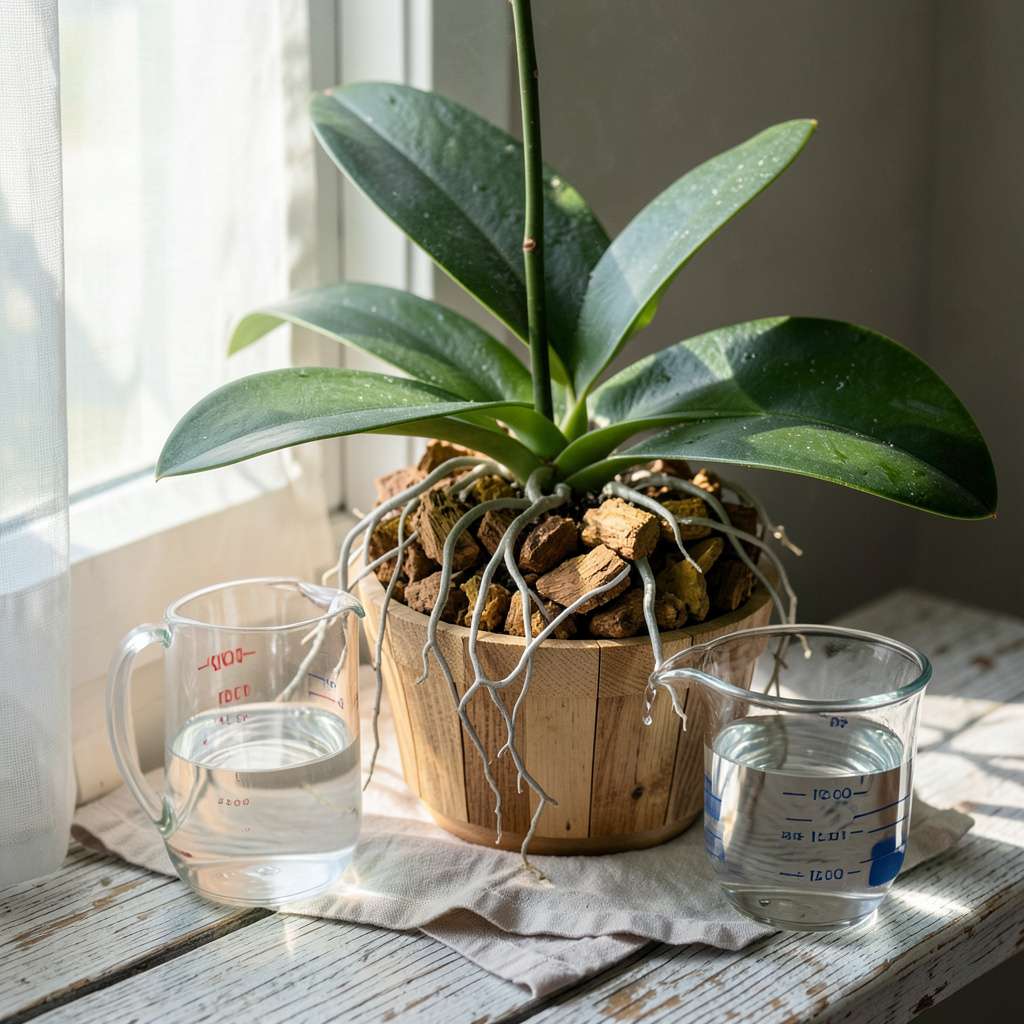
Orchids in bark demand a different approach than traditional potting mixes. After years of trial and error with wilting plants and rotting roots, we’ve perfected a method that keeps these elegant bloomers thriving. The key lies in understanding how bark’s unique structure affects moisture retention and root health—get this right, and you’ll see stronger growth and more frequent blooms.
Bark dries out faster than conventional media, which actually benefits orchids when watered correctly. We’ve found that most failures come from overcompensating—what feels like neglect is often exactly what these plants need. The technique involves observing root color and texture rather than following rigid schedules, with most varieties thriving on 7-10 day intervals between thorough waterings.
You’ll notice the difference within weeks: roots that stay plump and silvery-green, leaves that maintain their leathery texture, and flower spikes that develop without aborting. Our method eliminates the guesswork by focusing on three critical factors: water quality, application technique, and environmental conditions that work with bark’s natural properties.
This approach adapts to different orchid types and growing environments, from sunny windowsills to dedicated growing spaces. The learning curve is minimal, but the results—consistent blooms and vigorous plants—make it worth mastering. Here’s how to implement it with confidence.
📚 In This Guide
Mastering this technique ensures healthy roots and spectacular blooms without the guesswork.
Before watering, examine the bark medium by inserting your finger about 1 inch deep near the pot’s edge. Orchid bark should feel nearly dry to the touch—unlike traditional potting mix, it doesn’t retain moisture long. Check the roots: healthy ones are firm and silvery-green when dry, turning bright green when hydrated.
Lift the pot to gauge weight. A properly dried orchid in bark will feel noticeably lighter than after watering. This tactile check prevents overwatering, which leads to root rot. Never water on a fixed schedule; environmental factors like humidity and airflow affect drying time dramatically.
Use room-temperature water (65-75°F) to avoid shocking the roots. If your water is hard or heavily chlorinated, let it sit uncovered for 24 hours before use, or use collected rainwater. The pH should ideally be 5.5-6.5—slightly acidic, which orchids prefer.
Select your watering approach based on pot size. For standard 4-6 inch pots, the immersion method works best. Larger specimens benefit from thorough top-watering. Avoid misting as a primary method; it only hydrates the surface bark and leaves roots dry.
For immersion watering, place the orchid pot in a basin of water, ensuring the water level reaches about ¾ up the pot’s height. Let it soak for 10-15 minutes—this allows the bark to fully rehydrate. You’ll see air bubbles rising as the medium absorbs water, indicating proper saturation.
After soaking, lift the pot and let it drain completely for 5-10 minutes. The bark should glisten slightly but not drip. For top-watering, pour slowly until water runs freely from the drainage holes, then repeat after 5 minutes to ensure even moisture distribution through the bark chunks.
Return the orchid to its growing location, ensuring good air circulation around the pot. Check that no water remains in the saucer—standing water causes root suffocation. The bark surface should appear uniformly moist but not waterlogged. Within 24 hours, the roots should transition from silvery to vibrant green, indicating proper hydration.
Monitor the plant over the next 3-5 days. Healthy bark will gradually lighten in color as it dries. If you notice the medium staying damp beyond 7 days, increase airflow or adjust your watering volume. Yellowing leaves or blackened roots signal overwatering and require immediate attention.
Understanding these key details transforms orchid care from guesswork to precision, ensuring your plants thrive in their bark medium.
Moisture Assessment Technique: The 1-inch finger test in Step 1 is non-negotiable for bark-grown orchids. Unlike traditional potting mix, bark dries unevenly—surface moisture can be misleading while the core remains parched. I’ve found that roots provide the most reliable indicator: silvery-green means it’s time to water, while bright green signals adequate hydration. This visual cue eliminates the risk of overwatering, which is particularly dangerous in bark’s airy structure.
Water Preparation Protocol: The 24-hour resting period for water in Step 2 isn’t arbitrary—it allows chlorine to evaporate and brings water to the ideal 65-75°F range. I’ve observed that orchids watered with freshly drawn tap water consistently show stress symptoms within 48 hours. For those with hard water, consider installing a simple under-sink filter or collecting rainwater, which naturally falls within the 5.5-6.5 pH sweet spot that orchids prefer.
Immersion Method Mastery: During the 10-15 minute soak in Step 3, watch for air bubbles—this is the bark expelling trapped air as it absorbs water. The process should be gradual; rapid bubbling indicates overly dry bark that may need a second, shorter soak. After draining for the full 5-10 minutes, the bark should feel uniformly damp but never soggy. I use this time to inspect roots for any signs of rot, which appears as blackened, mushy sections rather than firm, flexible healthy roots.
Post-Watering Vigilance: The 24-hour root color change mentioned in Step 4 is your most reliable feedback mechanism. Healthy roots should transition from silvery to vibrant green within this window. If roots remain silvery beyond 36 hours, your watering was insufficient. Conversely, if they stay green beyond 7 days, you’ve overwatered. This observation period is critical—many orchid owners mistake root rot symptoms for underwatering and compound the problem by adding more water.
Orchids in bark dry out faster than those in moss or soil. Water every 5–7 days in warm climates or when the bark feels dry to the touch. In cooler or humid conditions, stretch it to 7–10 days. Always check moisture with your finger—bark should feel slightly damp, not soggy!
Nope! Ice cubes can shock roots and create uneven moisture pockets in bark. Bark drains quickly, so slow, room-temperature water (like the soak-and-drain method) works best. Ice may also compact bark, reducing airflow to roots.
Bark repels water if it’s old or coated with salts. Try soaking the pot for 10–15 minutes to rehydrate it fully. If bark floats or stays dry, replace it every 1–2 years. Pro tip: Add a drop of mild soap to water to break surface tension!
Morning! Watering early gives leaves time to dry before nightfall, preventing fungal issues. Avoid evening watering—cooler temps + wet bark = happy bacteria (but unhappy orchids). If you miss morning, midday works too—just avoid direct sun right after.
Misting alone isn’t enough—bark needs a deep soak to hydrate roots. However, light misting ( 1–2x weekly) can boost humidity between waterings. Pair it with a humidity tray or humidifier for best results in dry climates.
Mastering how to water orchids in bark is all about balance—soaking thoroughly, draining well, and letting roots breathe between waterings. 🌿 With the right technique, your orchids will reward you with vibrant blooms and healthy growth for years to come!
Now that you’ve got the basics down, grab your watering can and give it a try! For even more success, explore our full orchid care guide to fine-tune light, humidity, and fertilization. Happy growing! 💐
