
Beautiful Plants For Your Interior
Beautiful Plants For Your Interior
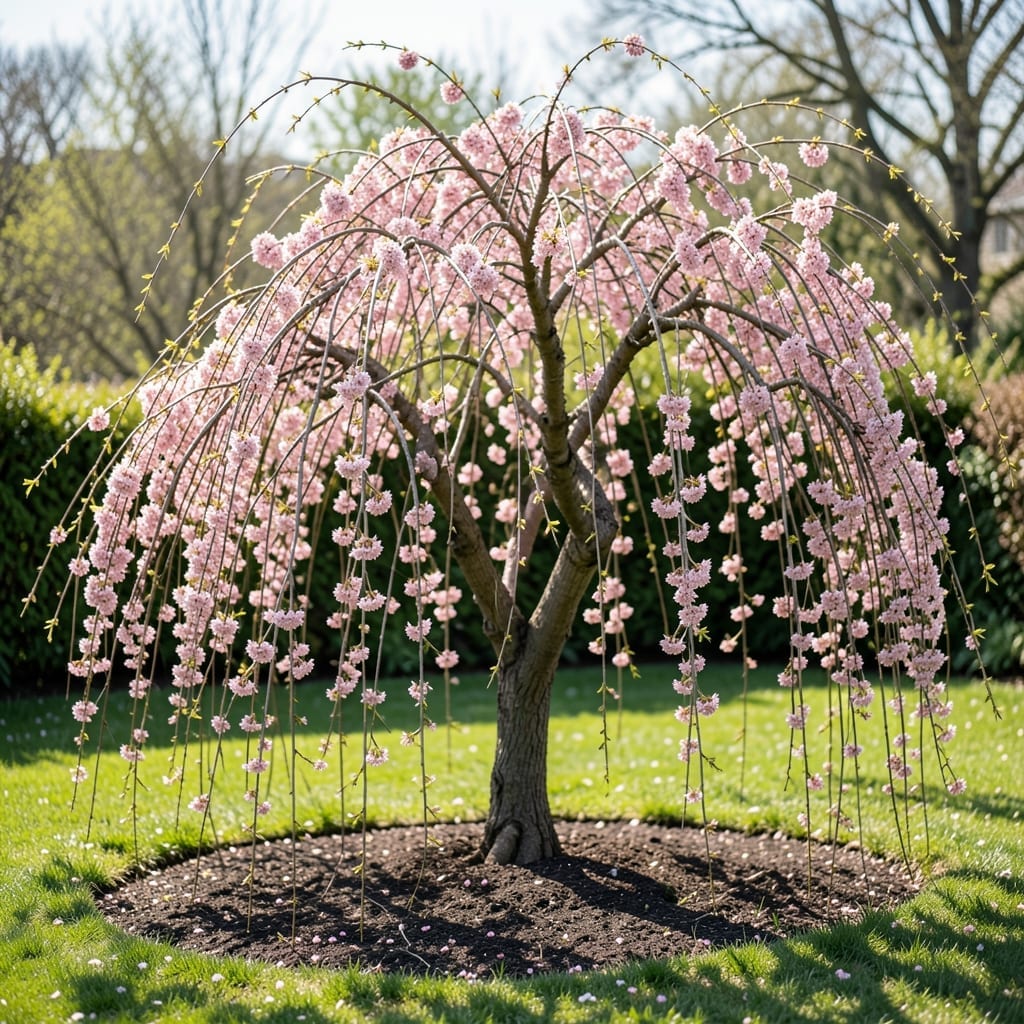
Weeping cherry trees are a stunning addition to any landscape, but their growth rate often surprises gardeners. I remember planting my first 🌳 Weeping Cherry Tree and being amazed at how quickly it began to transform my yard.
Understanding how fast these ornamental trees grow helps you plan their placement and care for optimal beauty. Their elegant, cascading branches can create a dramatic focal point in 5-8 growing zones.
Discover the typical annual height increase and what factors might speed up or slow down your tree’s progress. Let me walk you through what to expect.


I’ve found that weeping cherry trees grow at a moderate to fast rate, adding about 13-24 inches per year under ideal conditions. This means you’ll see noticeable changes each season as your tree develops its signature cascading form.
In the first year, expect your young weeping cherry to reach about 3-5 feet in height. The growth really takes off in years two and three, with annual increases that can surprise even experienced gardeners.
| Growth Stage | Height Range | Annual Growth |
|---|---|---|
| Year 1 | 3-5 ft | 3-5 ft |
| Year 2 | 8-12 ft | 3-7 ft |
| Year 3 | 12-18 ft | 4-6 ft |
| Mature (5-7 years) | 15-25 ft | 1-2 ft |
By year two, your tree may double in height, reaching 8-12 feet. This rapid growth phase is when the weeping habit becomes most pronounced, with branches beginning their graceful downward arch.
In year three, growth continues at a similar pace, often adding another 4-6 feet. At this stage, you’ll start seeing the tree’s full potential as its canopy spreads and those beautiful pendulous branches develop.
After about 5-7 years, weeping cherries reach maturity at 15-25 feet tall. Growth slows at this point, with annual increases of just 1-2 feet as the tree focuses on thickening its branches.
I recommend spacing your weeping cherry at least 10-15 feet from other plants to accommodate this growth. The spread typically matches the height, creating a wide, umbrella-like shape.
Remember that these are averages. Your tree might grow faster with optimal care – think full sun, well-draining soil, and consistent watering. Conversely, poor conditions can slow growth significantly.
For the fastest growth, plant in early spring and mulch around the base to retain moisture. I’ve seen trees in ideal conditions add 2 feet or more in a single growing season.
The weeping habit becomes most dramatic as the tree matures. Those long, flowing branches that make these trees so special typically develop fully after 3-4 years of growth.
🌳
In my experience, several key factors can significantly impact your weeping cherry tree’s growth rate. These ornamental trees thrive under specific conditions, and getting them right makes all the difference in their development.
The most critical element is sunlight exposure. Weeping cherries need full sun (at least 6-8 hours daily) to reach their maximum growth potential. Without adequate light, growth can slow dramatically.
Soil quality comes next. These trees prefer loamy, well-draining soil with a slightly acidic to neutral pH. Heavy clay or waterlogged soil can stunt growth and lead to health issues.
Watering practices also play a crucial role. While established trees are somewhat drought-tolerant, consistent moisture during the first 2-3 years helps them grow faster. I recommend deep watering once a week rather than frequent shallow watering.
Don’t underestimate the impact of climate. Weeping cherries grow best in USDA zones 5-8. In cooler climates, growth may be slower, while in warmer zones, they might grow more vigorously but need extra water.
Finally, proper pruning can influence growth. While you should avoid heavy pruning on young trees, light shaping in late winter helps direct energy to healthy growth. I always use clean, sharp tools to prevent disease.
☀️