
Beautiful Plants For Your Interior
Beautiful Plants For Your Interior
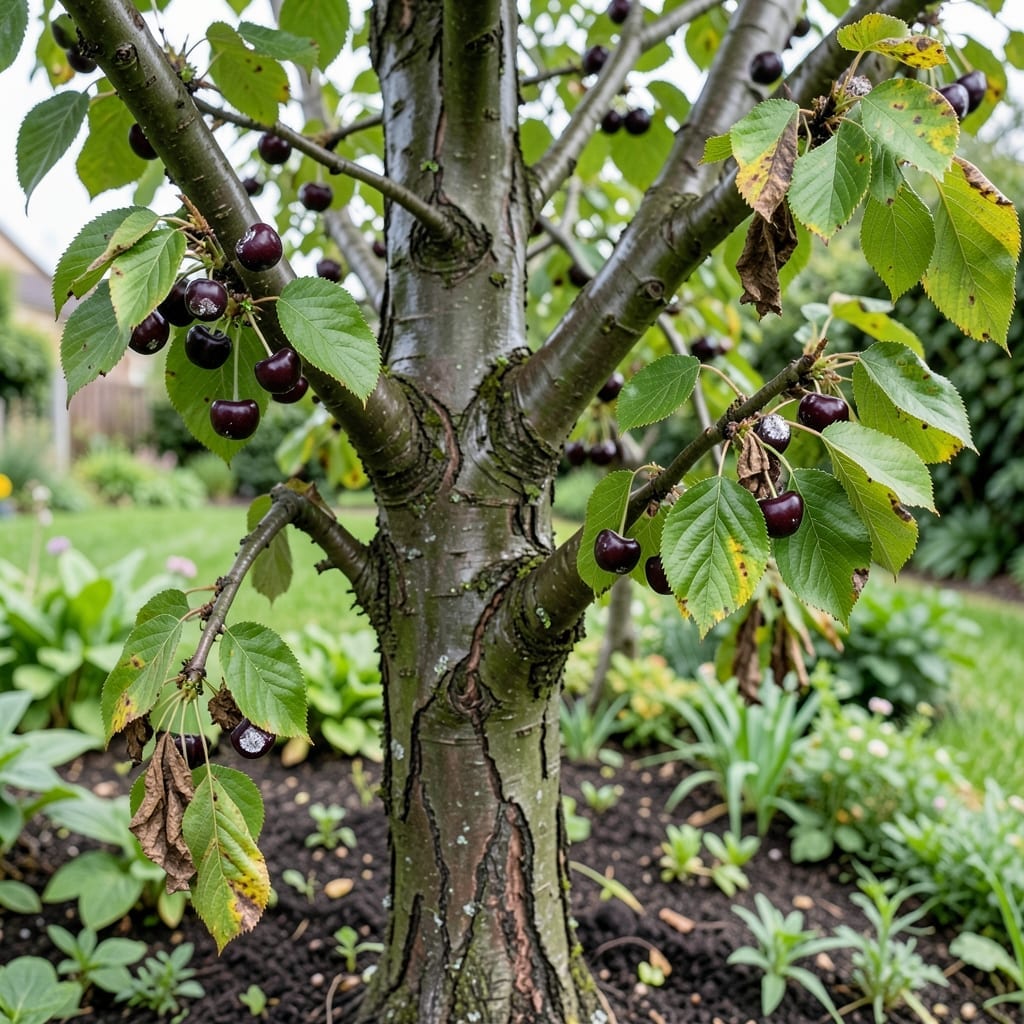
That sinking feeling when your cherry tree looks sick is all too familiar. I’ve stood under drooping branches, leaves spotted and curling, wondering where I went wrong.
Most issues—pests nibbling leaves, brown rot on fruit, or yellowing foliage—have simple fixes once you know the signs. The key is catching them early before they spread to the whole tree.
With the right approach, you can restore health in 2-3 weeks. Proper pruning, targeted sprays, and better air circulation often turn things around faster than you’d expect.
Works for both sweet and tart varieties, young saplings or mature trees. Here’s how to diagnose and treat what’s really going on.
Understanding why cherry tree problems occur is the first step toward prevention and treatment. These issues often stem from environmental, biological, or cultural factors that disrupt the tree’s health. Below are the primary causes, explained with actionable insights.
Extreme temperatures, drought, or excessive moisture can weaken cherry trees. Heat stress causes leaf scorch and fruit drop, while frost damage in spring can kill blossoms and young fruit. Poor drainage leads to root rot, depriving the tree of oxygen. Solution: Mulch to regulate soil temperature and ensure consistent watering without waterlogging.
Common pests like aphids, cherry fruit flies, and borers attack leaves, fruit, and bark. Aphids suck sap, causing curled leaves and stunted growth, while borers tunnel into the trunk, weakening the tree’s structure. Solution: Use horticultural oil or insecticidal soap for aphids, and pheromone traps for fruit flies. Prune and destroy infested wood to deter borers.
Diseases such as brown rot, leaf spot, and canker thrive in wet conditions. Brown rot causes mummified fruit, while canker leads to sunken, dead patches on branches. Solution: Improve air circulation by pruning, remove infected material, and apply copper-based fungicides preventatively.
Improper planting depth, over-fertilization, or incorrect pruning can stress cherry trees. Planting too deep suffocates roots, while excessive nitrogen promotes leafy growth at the expense of fruit. Solution: Plant at the correct depth (graft union above soil), fertilize balancedly, and prune during dormancy to avoid disease spread.
Once you’ve identified the issue, these practical solutions can nurse your cherry tree back to health.
Remove infected branches with sterilized pruning shears (dip in rubbing alcohol between cuts). Apply a copper-based fungicide or neem oil to the tree, following label instructions. Water at the base to keep foliage dry.
Prevention tip: 💡 Improve air circulation by thinning branches in early spring. Clean up fallen leaves and debris to reduce fungal spores.
For aphids or mites, blast them off with a strong water spray or use insecticidal soap. For borers, inject beneficial nematodes into the soil. Hang pheromone traps for cherry fruit flies.
Prevention tip: 🎯 Encourage natural predators like ladybugs by planting companion flowers (e.g., marigolds). Inspect the tree weekly for early signs.
Yellow leaves or stunted growth? Test the soil (kits are cheap and easy). Add balanced fertilizer (10-10-10) or organic compost for general health. For iron deficiency (yellowing between leaf veins), apply chelated iron.
Prevention tip: ✨ Mulch with compost annually to steadily improve soil fertility. Avoid over-fertilizing—it can burn roots.
Drooping leaves or cracked soil? Water deeply 1–2 times per week (more in extreme heat). For waterlogged roots, improve drainage by amending soil with sand or creating a small berm around the base.
Prevention tip: 🌡️ Use a moisture meter to check soil at 2–3 inches deep. Young trees need consistent moisture; mature trees are more drought-tolerant.
Trim split or broken branches in late winter. Wrap the trunk with tree guard to prevent rodent damage. For frost cracks, apply a tree wound dressing to seal and protect.
Prevention tip: 🔥 Apply a thick layer of mulch (4–6 inches) around the base in late fall to insulate roots. Avoid pruning in late summer to prevent new growth before frost.
Yellow leaves often signal nutrient deficiency, particularly nitrogen or iron. Test soil first—add balanced fertilizer or chelated iron as needed. Overwatering can also cause this, so check drainage.
Blast them off with a strong water spray or apply insecticidal soap. For severe cases, use neem oil. Encourage ladybugs by planting marigolds nearby.
This is usually brown rot, a fungal disease. Remove infected fruit and branches, then apply copper-based fungicide. Improve air circulation with pruning.
Yes! Trim damaged bark cleanly and apply tree wound dressing. Prevent future splits with thick mulch and trunk guards in winter.