
Beautiful Plants For Your Interior
Beautiful Plants For Your Interior
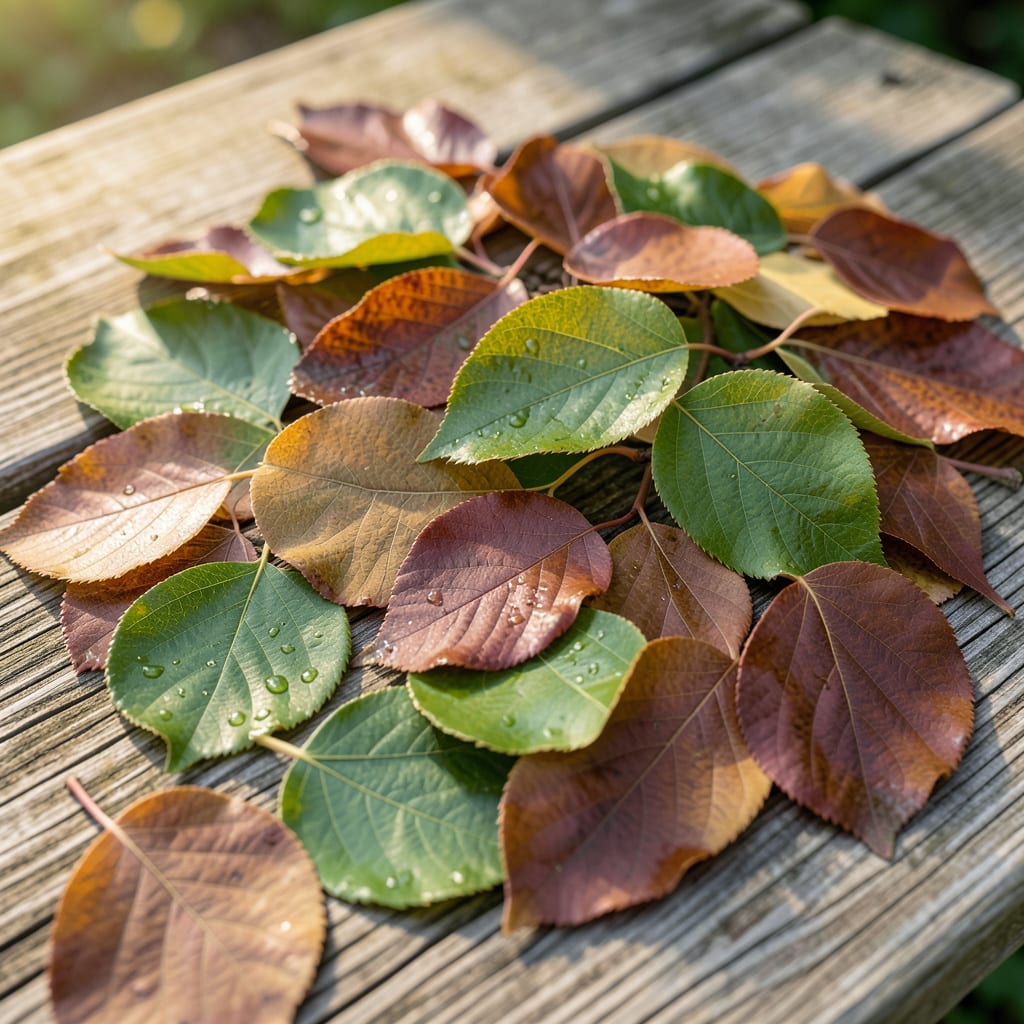
Brown leaves on your cherry tree aren’t just unsightly—they’re a distress signal. I’ve seen this exact pattern in my own orchard, and the causes range from drought stress to fungal infections hiding in plain sight.
Most gardeners jump to conclusions about pests, but the real culprits are often simpler: inconsistent watering, nutrient poor soil, or even too much love in the form of over-fertilizing. The fix starts with proper diagnosis.
Once you identify the root issue, organic solutions can restore your tree’s health within 2-3 weeks. The leaves regreen, the growth resumes, and you avoid the chemical route entirely.
Works for young saplings and mature trees alike. Here’s how to pinpoint the problem and treat it naturally.
Brown leaves on your cherry tree are a distress signal—here’s why it’s happening.
Cherry trees thrive in moderate climates. Heat stress (often above 90°F) accelerates water evaporation, leading to leaf scorch—where edges turn crispy and brown. Conversely, late frosts damage tender new growth, causing sudden browning. Young leaves are especially vulnerable to temperature swings.
Overwatering drowns roots, preventing oxygen uptake and leading to root rot, which manifests as yellowing then browning foliage. Underwatering is equally harmful—dry soil stresses the tree, and leaves turn brown from the tips inward as cells die from dehydration. Cherry trees need consistent moisture, especially during fruit development.
Pathogens like Leaf Spot (Blumeriella jaapii) or Brown Rot (Monilinia spp.) cause circular brown lesions with purple halos. These fungi thrive in wet, humid conditions. Infected leaves may drop prematurely, weakening the tree. Poor air circulation and overhead watering worsen fungal spread.
Sap-sucking pests such as aphids, scale insects, or mites pierce leaf tissues, causing stunted growth and browning. Their honeydew residue also promotes sooty mold, which blackens leaves. Check undersides of leaves for tiny bugs or sticky deposits.
A lack of potassium or magnesium often shows as interveinal browning—where tissue between veins turns brown while veins stay green. Nitrogen deficiency causes uniform yellowing first, but prolonged lack leads to necrosis (brown, dead patches). Soil tests can confirm imbalances.
If your cherry tree’s leaves are turning brown, don’t panic—there are practical solutions to revive your tree. Below are targeted fixes for each common cause, along with prevention tips to keep your cherry tree thriving.
Fix: Reduce watering immediately and check the soil. If it’s soggy, improve drainage by amending the soil with compost or sand. For potted trees, ensure the container has drainage holes.
Prevention: Water only when the top 1-2 inches of soil are dry. Use a moisture meter to avoid guesswork. 💡
Fix: Give your tree a deep watering at the base (not the leaves) until the soil is moist 6-8 inches down. Mulch around the tree to retain moisture.
Prevention: Water consistently, especially during dry spells. Young trees need 1-2 inches of water per week. ✨
Fix: Prune infected leaves and branches with sterilized shears to stop the spread. Apply an organic fungicide like neem oil or copper-based sprays. For bacterial issues, remove affected parts and disinfect tools with rubbing alcohol.
Prevention: Space trees properly for airflow, avoid overhead watering, and clean up fallen leaves to reduce fungal spores. 🎯
Fix: Spray leaves with a strong blast of water to dislodge aphids or mites. For severe cases, use insecticidal soap or horticultural oil. Introduce beneficial insects like ladybugs for natural control.
Prevention: Inspect leaves regularly and keep the area around the tree free of debris where pests hide. 🔥
Fix: Shield the tree with burlap or frost cloth during extreme temperatures. For heat stress, provide afternoon shade and ensure adequate water.
Prevention: Plant cherry trees in a sheltered spot and mulch heavily to regulate soil temperature. 🌡️
Fix: Test your soil and amend with organic matter or a balanced fertilizer. Yellowing leaves often indicate nitrogen deficiency, while brown edges may signal potassium or magnesium lack.
Prevention: Feed your tree annually in early spring with compost or a slow-release organic fertilizer. ✨
With proper care, new growth should appear within 2-3 weeks. Existing brown leaves won’t turn green again, but fresh healthy foliage will replace them. Consistency in watering and treatment is key.
Yes, if the branches are still flexible and green underneath the bark. Focus on correcting the root cause and providing optimal care. Severe cases may take a full growing season to recover.
Organic solutions are preferred for edible trees. Chemical fungicides or pesticides may leave residues harmful to humans and beneficial insects. Always opt for neem oil or insecticidal soaps first.
Remove only severely damaged leaves to reduce stress. If less than 30% of the leaf is brown, leave it—it’s still photosynthesizing. Sterilize pruning tools between cuts to prevent spreading disease.
